








What's Happening?
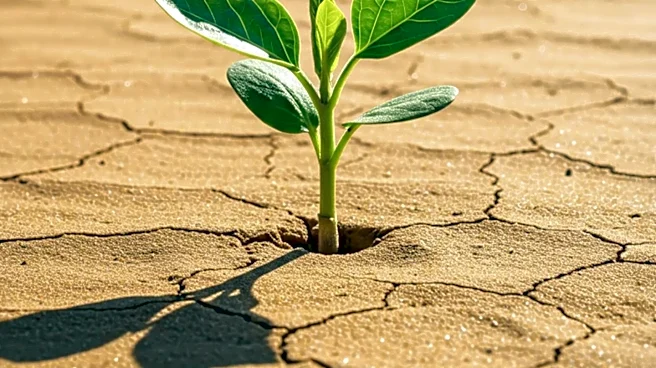
Farmers in Zimbabwe are actively implementing agroecology techniques to prepare for the anticipated drought and extreme heat caused by the strengthening El Niño climate pattern. This proactive approach involves sustainable farming practices aimed at improving
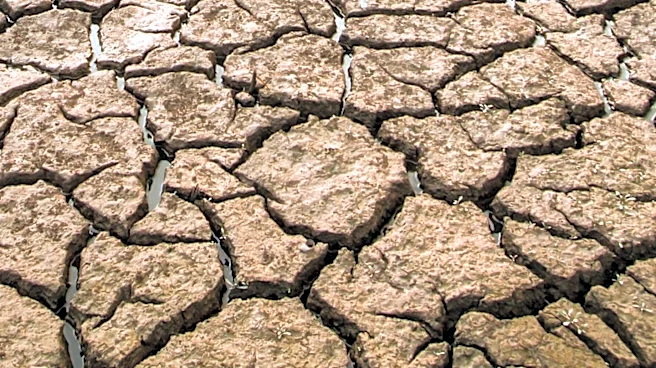
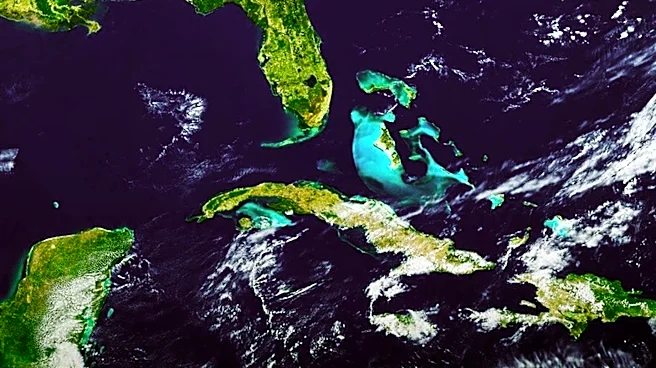
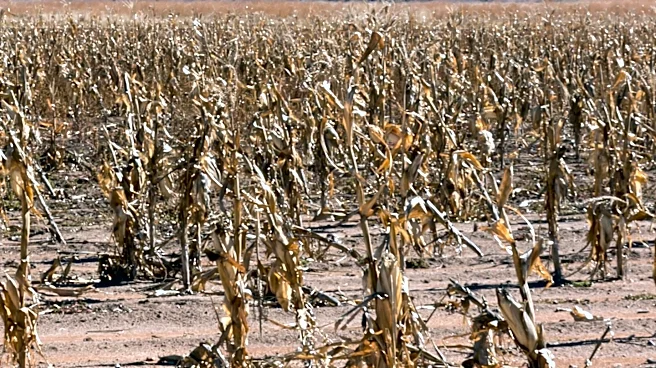
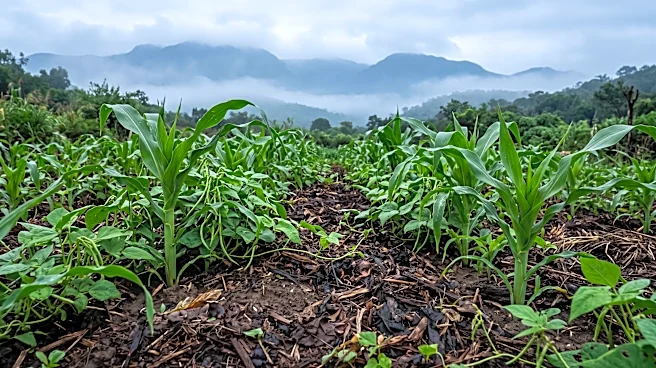
soil health, conserving water, and increasing biodiversity. For instance, farmer Dudzai Matsapa in Nyanga is digging small pits for organic manure and practicing zero tillage, while Netsai Dodzo uses intercropping and bio-chemicals for pest control. These methods are designed to enhance crop yields in dry conditions and protect livelihoods threatened by climate change. The World Meteorological Organization announced in September that El Niño is rapidly strengthening and is expected to peak in late 2026, continuing until at least February 2027, bringing with it the prospect of extreme weather events globally, including drought in southern Africa. The United Nations Food and Agriculture Organisation emphasizes the importance of early action to protect livelihoods in such circumstances.
Why It's Important?
The adoption of agroecology by Zimbabwean farmers is crucial for ensuring food security and economic stability in a region highly vulnerable to climate change impacts. Traditional farming methods often fail under severe drought conditions, leading to crop failures and economic hardship for rural communities that rely heavily on agriculture. By embracing practices like zero tillage, intercropping, and the use of drought-resistant crops, farmers can mitigate the adverse effects of El Niño, secure their harvests, and maintain their livelihoods. This shift towards sustainable agriculture also reduces reliance on external inputs like synthetic fertilizers and pesticides, promoting environmental health and long-term agricultural resilience. The success of these methods could serve as a model for other drought-prone regions, highlighting the effectiveness of ecological farming in adapting to changing climate patterns.
What's Next?
As the El Niño climate pattern is predicted to peak around late 2026 and persist until at least February 2027, Zimbabwean farmers will continue to rely on and refine their agroecological practices. The effectiveness of these preparations will be tested during the upcoming dry season. Continued support and education on agroecology from organizations like the United Nations Food and Agriculture Organisation will be vital for broader adoption and success. The government and agricultural bodies may also need to implement policies that encourage and facilitate the transition to these sustainable farming methods, potentially through subsidies or training programs. Monitoring the impact of El Niño on crop yields and food security will be critical for informing future agricultural strategies and humanitarian aid efforts in the region.
Beyond the Headlines
The widespread adoption of agroecology in Zimbabwe represents a significant cultural and practical shift in agricultural practices, moving away from conventional, input-intensive farming towards more environmentally harmonious methods. This transition has deeper implications for food sovereignty, empowering local communities to produce food sustainably and independently, reducing their vulnerability to global market fluctuations and climate shocks. It also highlights a growing recognition of indigenous farming knowledge and practices, which are often integrated into agroecological approaches. Furthermore, the success of these methods could influence national agricultural policies, promoting a more resilient and sustainable food system that prioritizes ecological health alongside productivity, potentially inspiring similar shifts in other developing nations facing similar climate challenges.