




What's Happening?
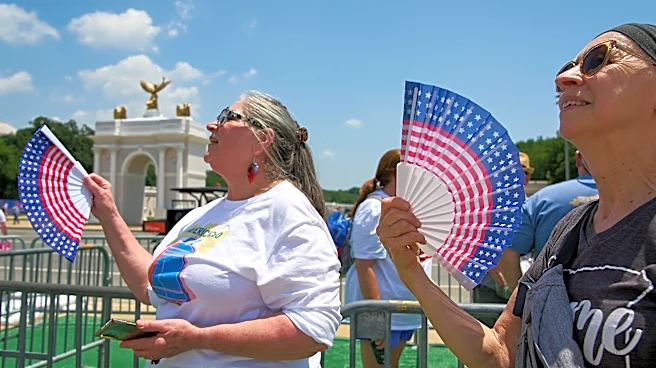
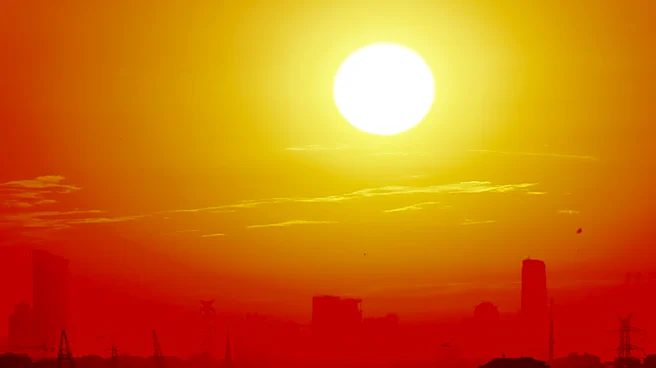
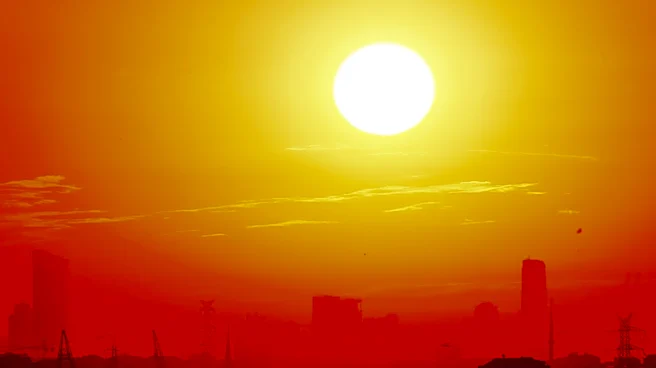
A severe heat wave is currently affecting the northeastern United States, breaking temperature records and straining the electric grid as millions prepare for Fourth of July celebrations. The heat wave, intensified by a heat dome over the region, has
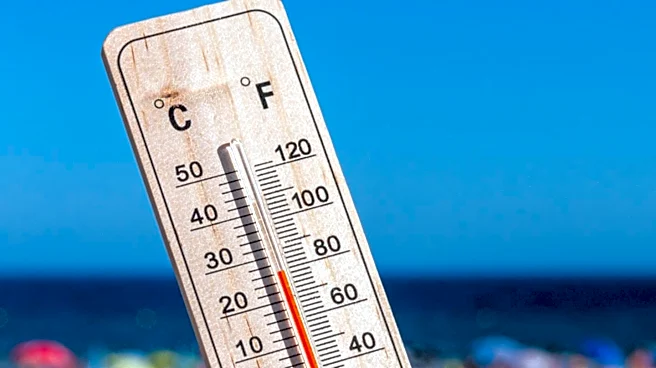
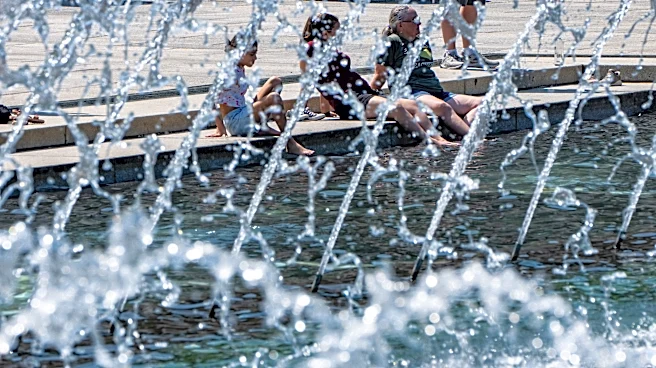
led to dangerous conditions with temperatures reaching near or above 100 degrees in major cities like Washington, D.C., Philadelphia, New York City, and Boston. The combination of heat and humidity has resulted in heat index values climbing as high as 110 degrees in some areas. This extreme weather event has prompted cities to open cooling centers and adjust public events, including the cancellation of parades and outdoor activities. The heat wave's intensity is attributed to human-caused climate change, with studies indicating that such conditions would be 'virtually impossible' without the impact of fossil fuel pollution.
Why It's Important?
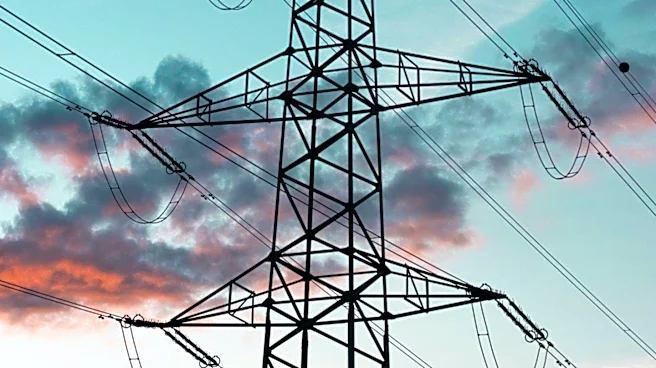
The ongoing heat wave highlights the growing impact of climate change on daily life and public events in the U.S. The disruption of Fourth of July celebrations and World Cup events underscores the immediate effects of extreme weather on cultural and social activities. The strain on the electric grid, with increased demand for air conditioning, poses challenges for energy management and highlights the need for sustainable energy solutions. Vulnerable populations, including older adults and those without reliable access to air conditioning, face heightened health risks. This situation emphasizes the urgency of transitioning to net-zero emissions to mitigate future climate-related disruptions.
What's Next?
As the heat wave continues, cities are likely to maintain and possibly expand emergency measures such as cooling centers and public health advisories. Energy providers may need to implement further conservation strategies to manage grid demand. The ongoing situation could prompt policymakers to accelerate climate action plans and infrastructure improvements to better handle extreme weather events. Public awareness and advocacy for climate change mitigation may increase as communities experience firsthand the impacts of such events.
Beyond the Headlines
The heat wave raises broader questions about urban planning and infrastructure resilience in the face of climate change. The need for sustainable cooling solutions and energy-efficient buildings becomes more pressing. Additionally, the event may influence public opinion and policy discussions on climate change, potentially leading to increased support for environmental regulations and renewable energy initiatives. The cultural shift towards recognizing and addressing climate impacts could have long-term implications for societal norms and government priorities.