








What's Happening?
The Independence City Council in Missouri has unanimously voted 6-0 to implement new restrictions on future data center developments. This decision comes after significant public opposition to the Nebius AI data center project. The new regulations establish
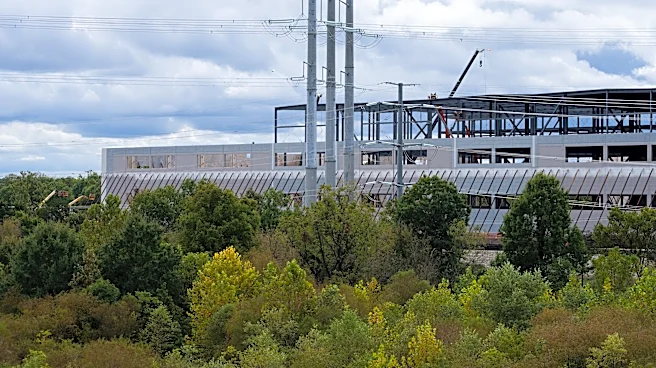
a tiered framework, with specific rules for major data centers, defined as those with electrical loads exceeding five megawatts. These major facilities will now require city council approval before construction. Key requirements include a 1,000-foot setback from residential areas, schools, parks, playgrounds, daycares, nursing homes, hospitals, and places of worship. Additionally, generator testing is limited to normal weekday business hours, no more than 10 hours per month, with mandatory sound attenuation and record-keeping. Closed-loop cooling systems or similar water-efficient technologies are also required, along with architectural design standards to minimize the visual impact of large building walls. A six-month moratorium on new data centers, enacted in July, will remain in effect until January 2, 2027. The Nebius facility, which broke ground in May, is not affected by these new rules, as it was approved under previous ordinances.
Why It's Important?
This decision by the Independence City Council is significant as it reflects a growing trend of local governments responding to community concerns regarding the environmental and social impacts of large-scale data centers. The new restrictions aim to mitigate issues such as noise pollution from generators, substantial electrical and water consumption, and visual impacts on residential neighborhoods. The 1,000-foot setback requirement is particularly impactful, as it directly addresses the proximity of these industrial facilities to sensitive community areas. This move could set a precedent for other municipalities grappling with the rapid expansion of data center infrastructure, especially those driven by AI technologies, which often demand significant resources. For residents, these regulations offer a measure of protection against potential disruptions to their quality of life. For data center developers, it signals a more stringent regulatory environment, potentially increasing development costs and requiring more thoughtful site selection and design to meet community standards. The backlash against the Nebius project, which led to the removal of city councilors, underscores the power of local activism in shaping urban development policies.
What's Next?
The six-month moratorium on new data centers in Independence will continue until January 2, 2027, providing a period for the city to fully implement and assess the new tiered framework and associated regulations. During this time, potential data center developers will need to carefully review the updated development ordinance, particularly the requirements for major data centers, including the 1,000-foot setback and environmental stipulations. The city council will likely monitor the effectiveness of these new rules and may consider further adjustments based on community feedback and the evolving landscape of data center technology. Residents, like Daniel Morehead, who have expressed concerns about the enforcement of existing rules at the Nebius construction site, will likely continue to advocate for strict oversight. The precedent set by Independence could influence other cities in Missouri and across the U.S. that are experiencing or anticipating similar data center development pressures, potentially leading to a broader reevaluation of zoning and environmental regulations for such facilities.
Beyond the Headlines
The Independence City Council's action highlights a broader societal tension between technological advancement and community well-being. The rapid growth of AI and other data-intensive industries necessitates vast data center infrastructure, but the environmental and social costs are increasingly scrutinized. This situation brings to light the ethical considerations of urban planning, where economic development must be balanced with residents' quality of life and environmental sustainability. The pushback against the Nebius project and the subsequent policy changes demonstrate a shift in public perception, where the benefits of technological investment are weighed against local impacts like noise, resource consumption, and visual blight. This could lead to a re-evaluation of how cities incentivize and regulate high-tech industries, potentially fostering more integrated and sustainable development models. The emphasis on closed-loop cooling systems and architectural design standards also points to a growing demand for more environmentally conscious and aesthetically integrated industrial facilities, reflecting a maturing understanding of corporate responsibility in urban environments.