


What's Happening?
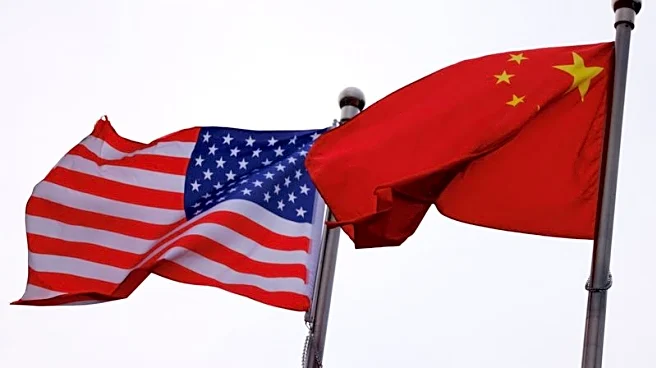
China and the United States are both altering their foreign aid strategies, reflecting a shift in global influence dynamics. Historically, the U.S. and China have used foreign aid to extend their soft power, with the U.S. focusing on long-term solutions
through international organizations and China engaging in large-scale infrastructure projects. Recently, the Trump administration has restructured U.S. foreign aid, moving towards a more transactional model. Concurrently, China is transitioning from its traditional large bilateral projects to smaller, more visible contributions to global institutions, such as the United Nations. This shift includes initiatives like the Global Development Initiative, which focuses on 'small and beautiful' projects addressing poverty and health issues. China's approach aims to enhance its global health leadership role, especially as the U.S. reduces its involvement in international aid.
Why It's Important?
The changes in foreign aid strategies by China and the U.S. have significant implications for global health and development. China's increased involvement in global institutions and smaller projects could enhance its influence in low-income countries, potentially filling the void left by the U.S. This shift may allow China to position itself as a responsible global leader, aligning with President Xi Jinping's vision of a China-centered world order. For the U.S., the move towards a more transactional aid model could risk undermining its long-standing influence and soft power, as it may face similar criticisms that China has encountered, such as prioritizing economic interests over sustainable development. The evolving strategies of both nations could reshape global aid dynamics, affecting international relations and the balance of power.
What's Next?
As China continues to refine its foreign aid approach, it may further increase its contributions to global health and development, potentially expanding its economic footprint and influence in international organizations. The U.S., under its new aid strategy, may seek to secure resources and opportunities for American businesses, but it risks facing challenges similar to those China has experienced if it over-commercializes aid. Both countries will likely continue to adjust their strategies in response to each other's actions, with potential impacts on global health outcomes and international cooperation. Observers will be watching to see how these changes affect the geopolitical landscape and the effectiveness of aid in addressing global challenges.