

What's Happening?
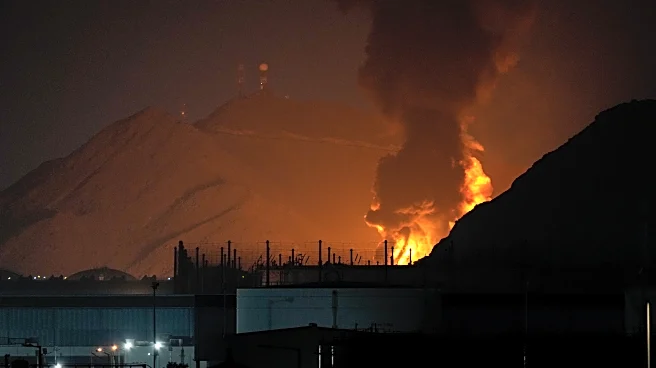
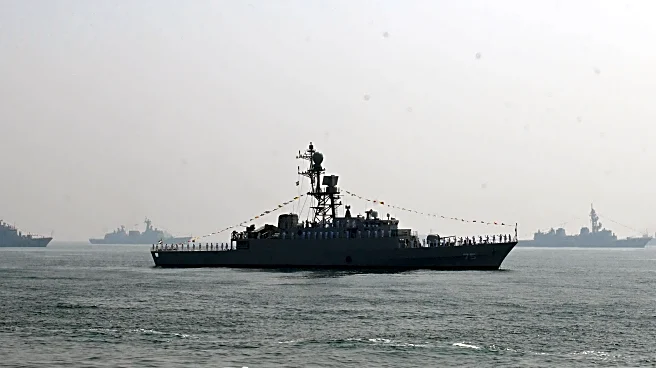
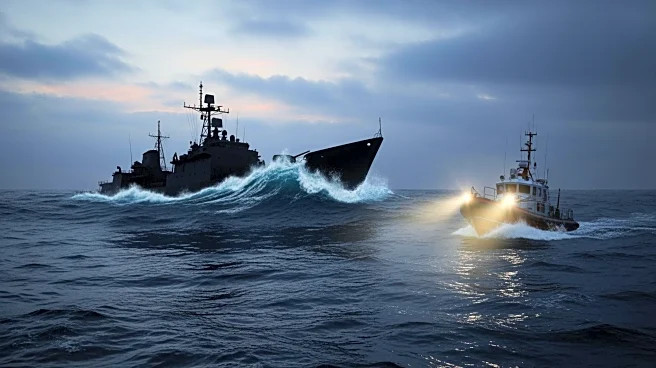
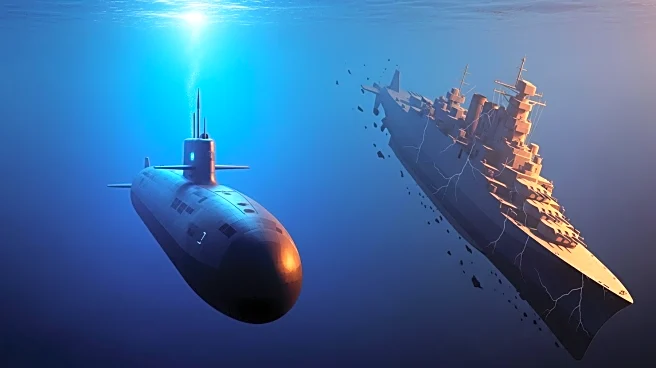
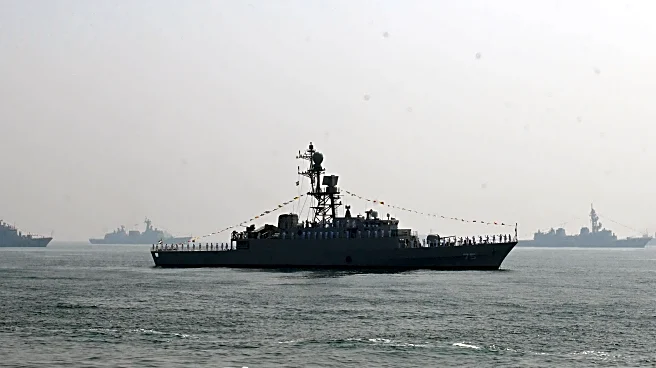
A U.S. submarine has sunk the Iranian frigate IRIS Dena in international waters off the coast of Sri Lanka. The incident occurred shortly after the Iranian vessel left an Indian port where it had participated in joint naval exercises. The attack marks
the first time since 1945 that a U.S. submarine has used a torpedo to sink a combat ship. The sinking has raised concerns for India, as the attack took place in an area of the ocean that India considers within its sphere of influence. The incident has resulted in over 80 confirmed deaths and has strained U.S.-India relations, as India had recently hosted the Iranian crew.
Why It's Important?
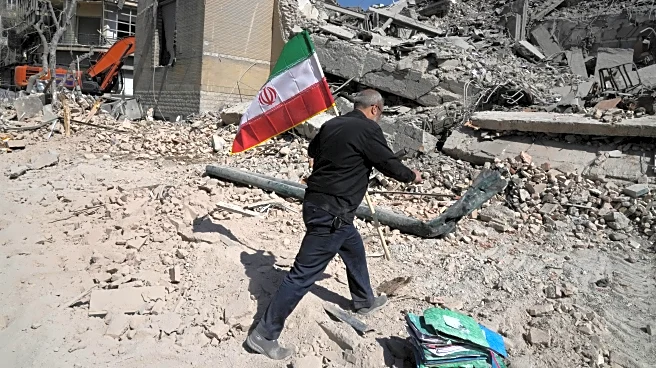
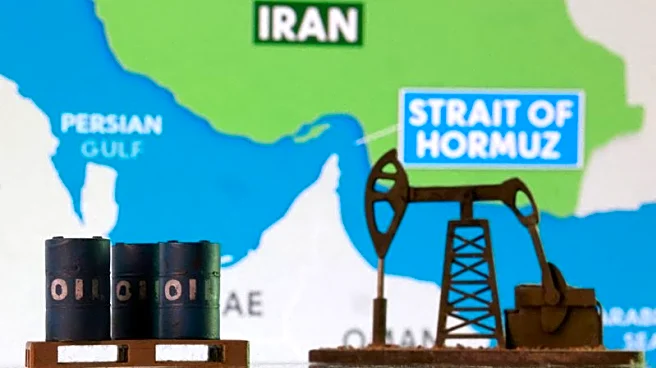
The sinking of the IRIS Dena by a U.S. submarine has significant geopolitical implications, particularly for India. The attack challenges India's regional credibility and its non-negotiable stance on protecting commerce and energy routes. It also complicates India's efforts to avoid entanglement in U.S.-Iran tensions. The incident underscores the broader regional instability and the potential for escalation in U.S.-Iran hostilities. It highlights the delicate balance India must maintain in its foreign relations, especially with key partners like the United States.
What's Next?
The incident may prompt diplomatic discussions between the U.S. and India, as well as potential responses from Iran. India may seek to reaffirm its regional influence and address any perceived threats to its maritime security. The U.S. may face increased scrutiny over its military actions in international waters, particularly in regions considered sensitive by key allies. The situation could lead to further military or diplomatic developments as stakeholders navigate the complex geopolitical landscape.