


What's Happening?
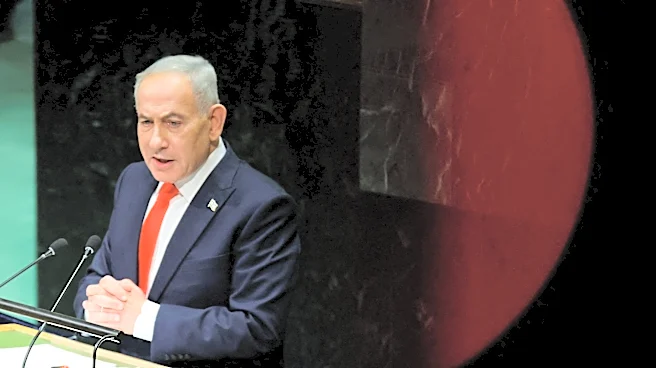
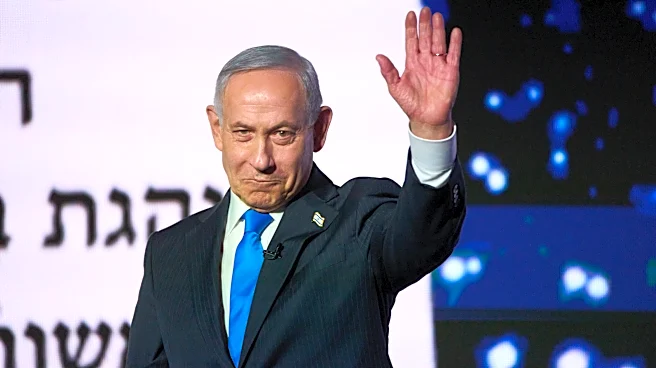
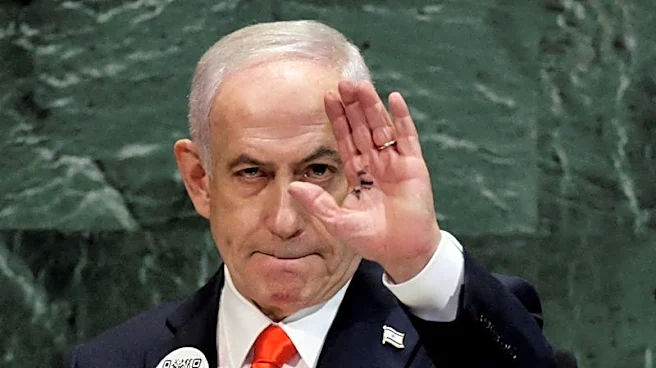
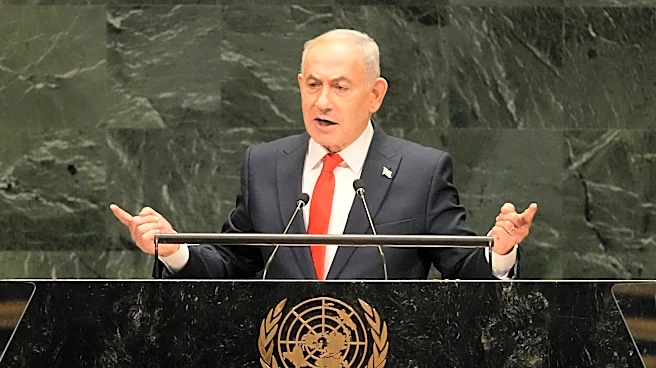
The Glenn Beck Program recently covered a range of topics, including current economic challenges facing millions of Americans, the historical origins of State Farm Insurance, and a biblical prophecy linked to Israeli Prime Minister Benjamin Netanyahu's
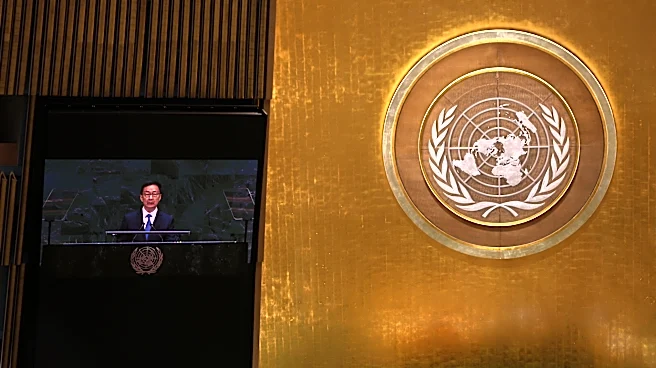
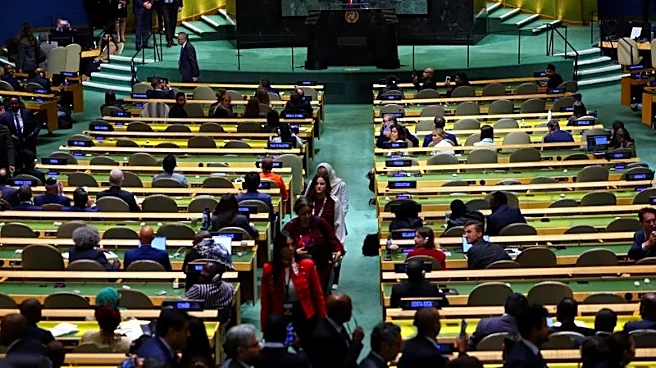
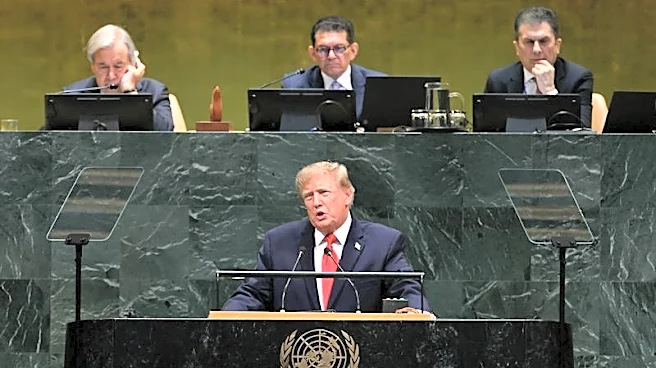
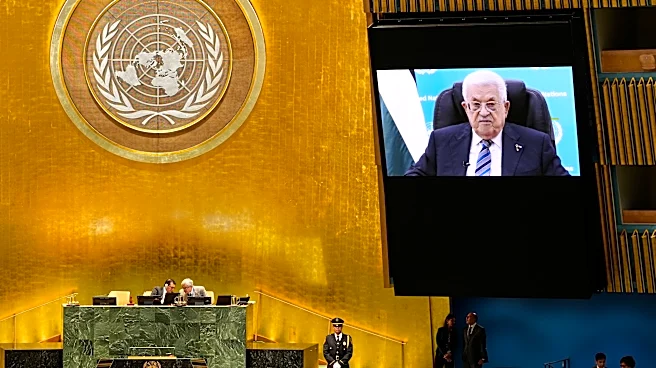
speech at the United Nations General Assembly. Glenn Beck elaborated on the economic situation, discussing its impact on gas and grocery prices, America's debt, and interest rates. He also shared an uplifting story of Rhys Wynne-Jones, a formerly homeless pianist, returning to a charity event to perform 'Bohemian Rhapsody.' The program delved into the beginnings of State Farm Insurance, highlighting its foundation by farmers assisting each other. A significant segment focused on Prime Minister Netanyahu's UN speech, where multiple delegates walked out, which Beck interpreted as fulfilling a biblical prophecy concerning the world's treatment of Israel. The show also featured Bill O'Reilly, who discussed his book 'Confronting America: What Has to Change' and issues ahead of the midterm elections, alongside reactions to a CNN report and rapper Macklemore's pro-Palestine tour.
Why It's Important?
The discussions on The Glenn Beck Program are important as they reflect and potentially influence public discourse on critical national and international issues. The focus on economic concerns, such as rising prices and national debt, directly impacts the financial well-being and stability of U.S. households and the broader economy. Understanding the historical context of institutions like State Farm Insurance can provide insights into the evolution of American industries and community support systems. Furthermore, the program's interpretation of international events, particularly those involving Israel and biblical prophecy, can shape the perspectives of its audience on foreign policy and religious implications, potentially influencing political and social attitudes within the U.S. The inclusion of guests like Bill O'Reilly and discussions on political figures and cultural events like Macklemore's tour highlight the program's role in the national conversation, touching upon political narratives, media scrutiny, and cultural shifts.
What's Next?
Listeners can anticipate continued discussions on economic trends, as the program frequently revisits financial topics and their implications for American citizens. The ongoing analysis of international relations, particularly concerning Israel and the Middle East, is likely to remain a recurring theme, especially given the program's emphasis on biblical prophecy and geopolitical events. The show will probably continue to feature interviews with prominent figures, offering diverse perspectives on current affairs and upcoming political events, such as the midterm elections. The program's engagement with cultural and media controversies, like the CNN report and Macklemore's tour, suggests it will continue to react to and comment on evolving social and political narratives. The program's format indicates a consistent approach to blending news analysis with commentary, aiming to inform and engage its audience on a wide array of subjects relevant to U.S. domestic and foreign policy.
Beyond the Headlines
The program's blend of economic analysis, historical context, and religious interpretation offers a unique lens through which its audience perceives current events. The discussion of economic struggles, for instance, goes beyond mere statistics to touch upon the daily realities and anxieties of American families, potentially fostering a sense of shared experience or concern. The segment on State Farm's origins subtly highlights the historical values of mutual aid and community support that underpinned early American enterprises. More profoundly, the interpretation of Prime Minister Netanyahu's UN speech through the framework of biblical prophecy taps into a significant segment of the U.S. population that views current events through a religious or eschatological perspective. This approach can deepen the emotional and spiritual engagement of listeners with geopolitical issues, potentially influencing their civic participation and political leanings. The program's role in shaping narratives around media bias and cultural figures also underscores its influence in the broader U.S. media landscape, contributing to ongoing debates about truth, objectivity, and public trust.