

What's Happening?
On August 6, 1965, President Lyndon B. Johnson signed the Voting Rights Act into law, a landmark piece of legislation aimed at enforcing the Fifteenth Amendment and ensuring voting rights for Black Americans. The Act was a response to the systemic disenfranchisement
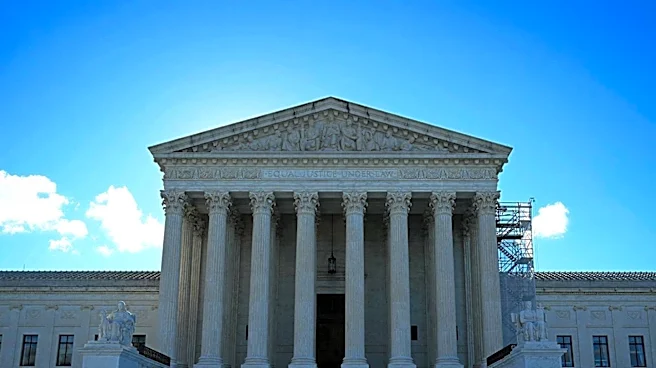
of Black voters, particularly in the southern United States, where discriminatory practices like literacy tests and poll taxes were prevalent. The Act empowered the federal government to oversee voter registration and elections in areas with a history of discrimination. Despite its significance, recent Supreme Court decisions, such as Shelby County v. Holder in 2013, have weakened the Act's provisions, leading to renewed efforts to suppress voting rights.
Why It's Important?
The Voting Rights Act is a cornerstone of American democracy, ensuring that all citizens have the right to participate in the electoral process. Its passage marked a significant victory in the civil rights movement, helping to dismantle legal barriers that prevented Black Americans from voting. However, the weakening of the Act's provisions in recent years has raised concerns about the erosion of voting rights and the potential impact on democratic participation. The ongoing challenges to voting rights highlight the need for vigilance and advocacy to protect the fundamental right to vote.
What's Next?
The future of voting rights in the United States remains uncertain, with ongoing legal and political battles over access to the ballot. Advocacy groups continue to push for legislative reforms to restore and strengthen the protections originally provided by the Voting Rights Act. The outcome of these efforts will have significant implications for the inclusivity and fairness of the American electoral system.