






What's Happening?
The Rhode Island Coastal Resources Management Council (CRMC) has updated its regulations and policies concerning Onsite Wastewater Treatment Systems (OWTS). These systems are crucial for properties not connected to public sewer lines, handling wastewater
treatment and disposal from residential and commercial buildings. Any installation, repair, modification, or replacement of an OWTS within CRMC's jurisdiction now requires review and a permit from the CRMC to ensure compliance with coastal program provisions, specifically Section 300.6. This is in addition to the existing requirement for review and approval by the Department of Environmental Management (DEM) through their OWTS permit program. The CRMC emphasizes the importance of these regulations, particularly for OWTS located along the coastal shoreline, to prevent damage from coastal erosion. The DEM has also established specific 'OWTS Repair Guidance in Critical Erosion Areas' to address these concerns. Furthermore, the watersheds of the Narrow River and the Salt Pond Region, designated as Critical Resource Areas by DEM, now mandate advanced treatment nitrogen reduction OWTS technology for any new or modified installations. The Cesspool Phase-out Act of 2007 also requires the replacement of cesspools within 200 feet of a coastal shoreline feature with a new OWTS or connection to a public sewer line by January 1, 2013.
Why It's Important?
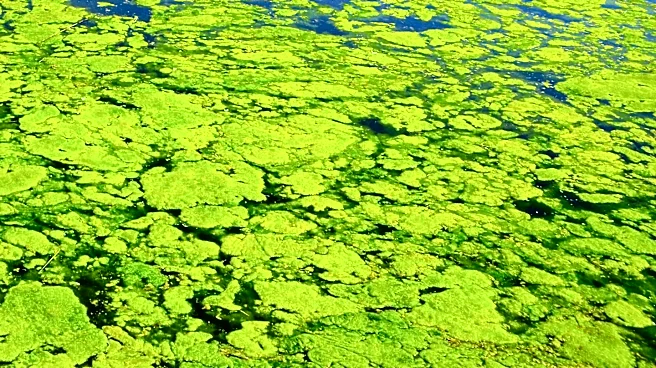
These updated regulations are vital for environmental protection and public health in Rhode Island's coastal areas. By requiring CRMC permits in addition to DEM approvals, the state is implementing a more stringent oversight process for wastewater management in sensitive coastal zones. This dual-agency review aims to mitigate the environmental impact of OWTS, particularly concerning nitrogen reduction in critical resource areas like the Narrow River and Salt Pond Region. Excessive nitrogen can lead to harmful algal blooms, oxygen depletion, and degradation of aquatic ecosystems, impacting local fisheries, tourism, and overall coastal biodiversity. The focus on preventing erosion damage to OWTS along the shoreline is crucial for maintaining the integrity of these systems and preventing raw sewage discharge into coastal waters. The continued enforcement of the Cesspool Phase-out Act underscores a long-term commitment to eliminating outdated and environmentally harmful wastewater disposal methods, thereby safeguarding Rhode Island's valuable coastal resources and supporting sustainable development.
What's Next?
Property owners in Rhode Island's coastal areas planning any work on their OWTS will need to navigate both DEM and CRMC permitting processes. This will likely involve increased coordination between property owners, contractors, and the regulatory bodies to ensure all requirements are met. The CRMC will continue to work with the DEM to enforce these regulations, particularly in critical erosion areas and nitrogen-sensitive watersheds. Educational initiatives may be rolled out to inform the public about the updated requirements and the importance of advanced treatment technologies. The New England Onsite Wastewater Training Program at the University of Rhode Island will likely play a continued role in providing training and resources related to OWTS. Future developments may include further refinement of regulations based on ongoing environmental monitoring and technological advancements in wastewater treatment, ensuring the long-term health of Rhode Island's coastal ecosystems.
Beyond the Headlines
The enhanced regulatory framework for OWTS in Rhode Island reflects a broader national trend towards more comprehensive environmental protection in coastal regions. The dual permitting requirement highlights the complex interplay between land use, public health, and environmental conservation, particularly in areas vulnerable to climate change impacts like sea-level rise and increased storm intensity. The emphasis on nitrogen reduction and cesspool phase-out points to a proactive approach to addressing non-point source pollution, which is a significant challenge for coastal water quality across the U.S. This regulatory evolution also underscores the increasing recognition of the interconnectedness of terrestrial and marine ecosystems, where decisions made on land directly affect the health of coastal waters. The long-term success of these policies will depend on effective enforcement, public compliance, and continued scientific research to adapt to changing environmental conditions and technological innovations.