
What's Happening?
The U.S. Holocaust Memorial Museum has publicly condemned Minnesota Governor Tim Walz for his remarks comparing the fear experienced by immigrant children in Minnesota to the experiences of Anne Frank
during the Holocaust. Walz made these comments in the context of a federal immigration crackdown in Minneapolis, which has led to heightened tensions and criticism. The museum's statement emphasized that Anne Frank was targeted solely because she was Jewish, and using her story for political purposes is unacceptable. This statement was released just before International Holocaust Remembrance Day, highlighting the sensitivity of the issue.
Why It's Important?
This incident underscores the ongoing debate over immigration enforcement in the United States and the use of historical analogies in political rhetoric. The comparison made by Governor Walz has sparked a broader discussion about the appropriateness of drawing parallels between current events and historical atrocities like the Holocaust. With antisemitism reportedly on the rise, Jewish organizations and scholars are increasingly vigilant about such comparisons, which they argue can trivialize the Holocaust. The situation also reflects the broader national discourse on immigration policies and the use of force by federal agents, which remains a contentious issue.
What's Next?
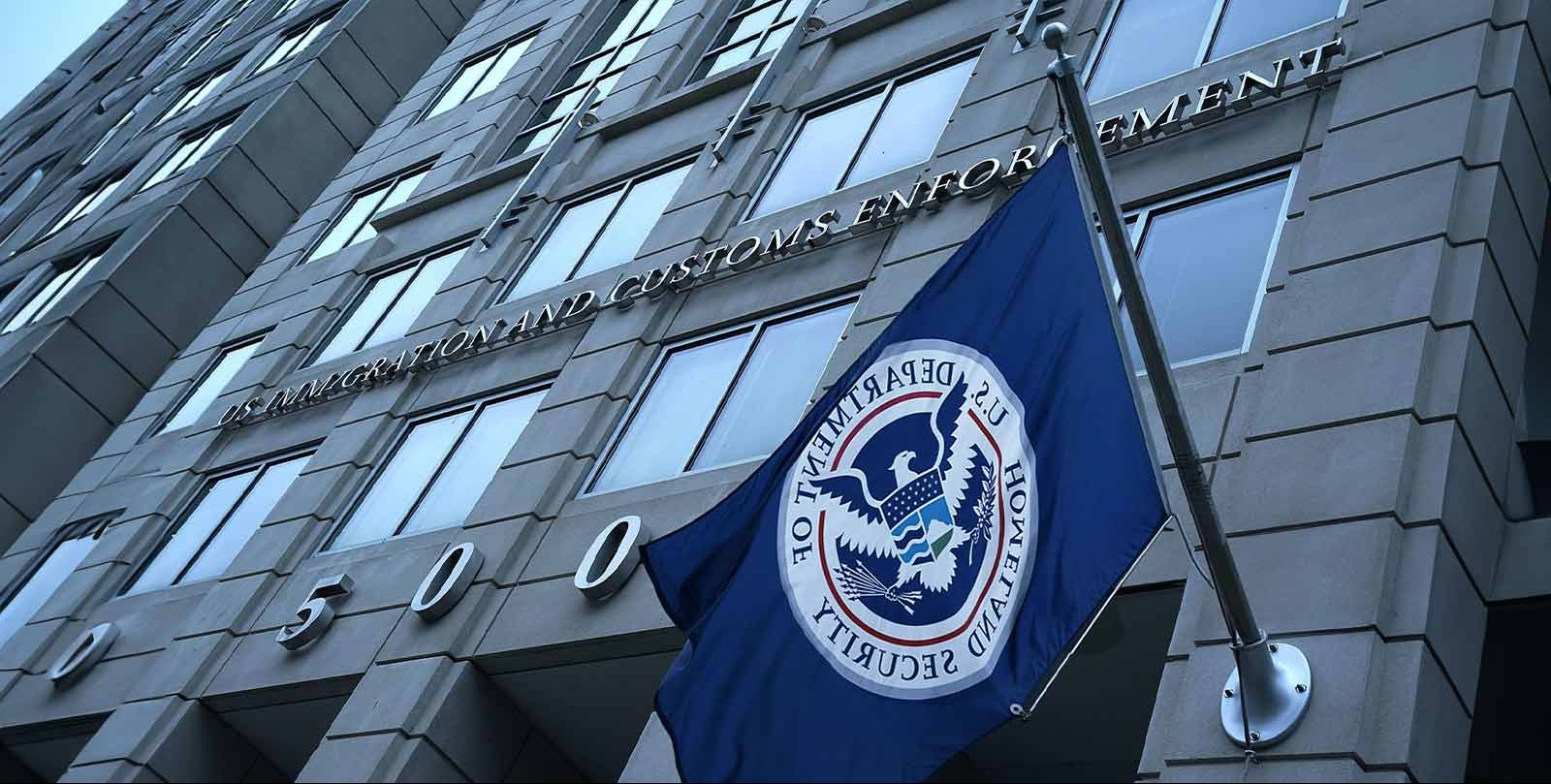
The controversy has led to calls from some Democrats for the abolition of U.S. Immigration and Customs Enforcement (ICE), especially following recent incidents involving the use of force by federal agents. President Trump has defended the actions of ICE, stating that they were acting in self-defense. The debate over immigration enforcement and the rhetoric used by political leaders is likely to continue, with potential implications for future policy decisions and public opinion.