





What's Happening?
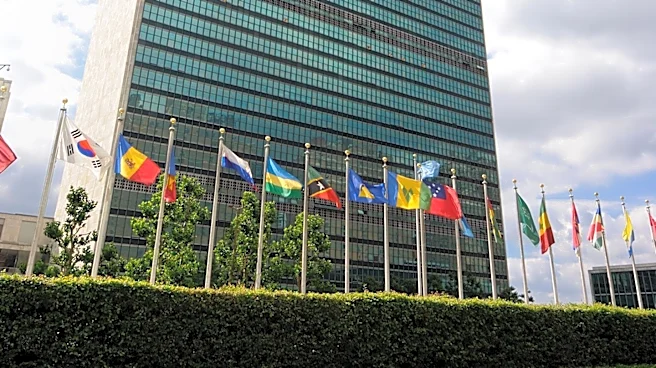
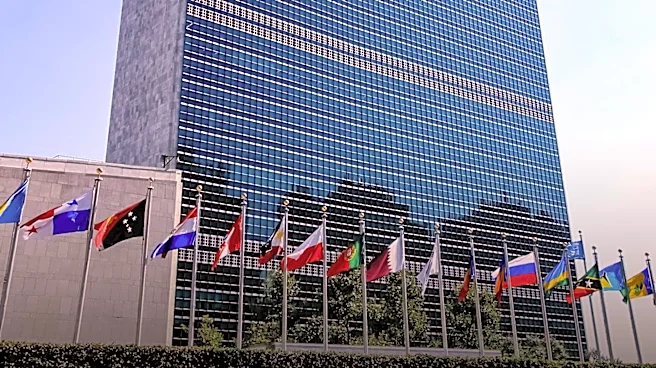
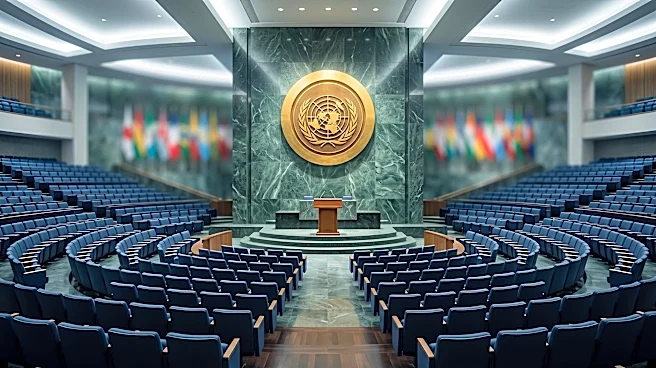
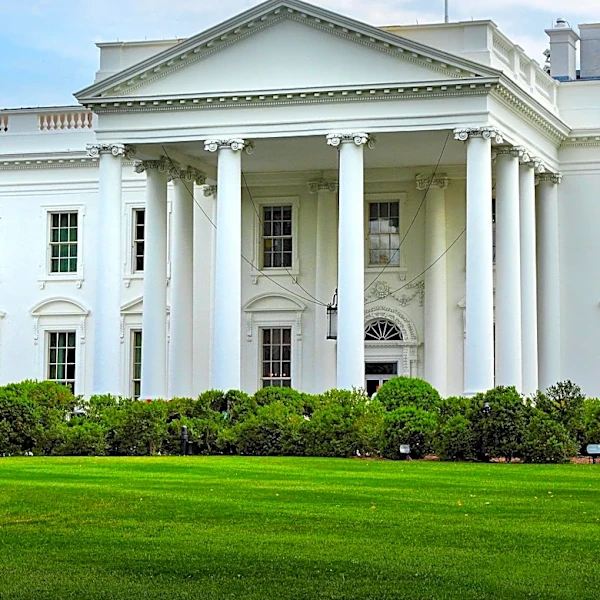
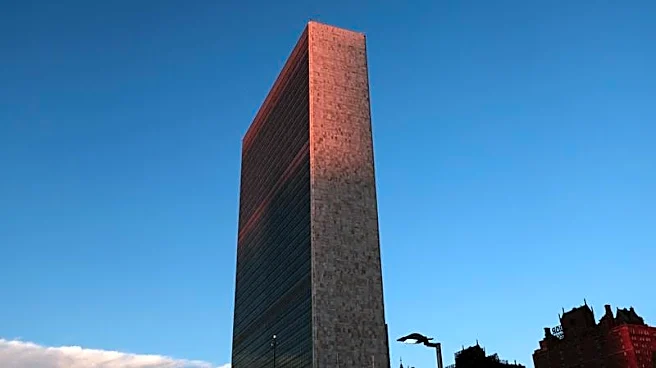
Eleanor Roosevelt, after her tenure as First Lady, played a pivotal role in shaping global human rights standards, particularly through her work at the United Nations. Appointed by President Harry Truman to the first U.S. delegation to the UN, she went
on to chair the UN Commission on Human Rights. In this capacity, she was instrumental in guiding the international effort to draft the Universal Declaration of Human Rights, which was adopted in 1948. This document is widely regarded as one of the most important since the United Nations Charter, aiming to guarantee the human rights of every individual globally. Her influence extended beyond her husband's presidency, establishing a blueprint for future First Ladies and demonstrating how her activism continued to impact international policy and human rights advocacy.
Why It's Important?
Eleanor Roosevelt's post-White House contributions to human rights are profoundly important for the U.S. and the international community. Her leadership in drafting the Universal Declaration of Human Rights established a foundational document that continues to guide international law and human rights advocacy worldwide. For the U.S., it solidified its commitment to universal human rights principles on the global stage, influencing its foreign policy and diplomatic efforts for decades. The Declaration's principles have been incorporated into numerous international treaties and national constitutions, impacting how governments, including the U.S., approach civil liberties, social justice, and equality. Her work also set a precedent for the active role a former First Lady could play in global affairs, demonstrating the potential for sustained influence beyond traditional political office. This legacy continues to inspire advocacy for human rights and international cooperation in addressing global challenges.
What's Next?
Eleanor Roosevelt's legacy continues to inform contemporary discussions on human rights and international cooperation. The Universal Declaration of Human Rights, which she championed, remains a cornerstone of international law, and its principles are continually invoked in debates about human rights abuses, social justice, and global governance. Future efforts will likely involve continued interpretation and application of these principles to new challenges, such as digital rights, climate justice, and the rights of marginalized communities. Her model of persistent advocacy and diplomatic skill in navigating complex international relations will remain relevant for leaders and activists working to advance human rights. The U.S. will continue to engage with the UN and other international bodies, often referencing the Declaration as a basis for its human rights policies and initiatives.
Beyond the Headlines
Eleanor Roosevelt's journey from First Lady to a global human rights leader highlights a deeper narrative about the evolution of American influence and the role of individuals in shaping international norms. Her ability to navigate complex political landscapes and persuade diverse stakeholders to agree on universal principles speaks to the power of diplomacy and moral conviction. This also underscores the ethical dimension of U.S. foreign policy, demonstrating how the nation's values can be projected globally through the efforts of its citizens. Her work transcended national interests, laying the groundwork for a more interconnected world where human dignity is recognized as a universal concern. The enduring relevance of the Universal Declaration of Human Rights is a testament to her vision and the timeless nature of the ideals it enshrines, continually challenging nations to live up to their commitments to justice and equality.