
What's Happening?
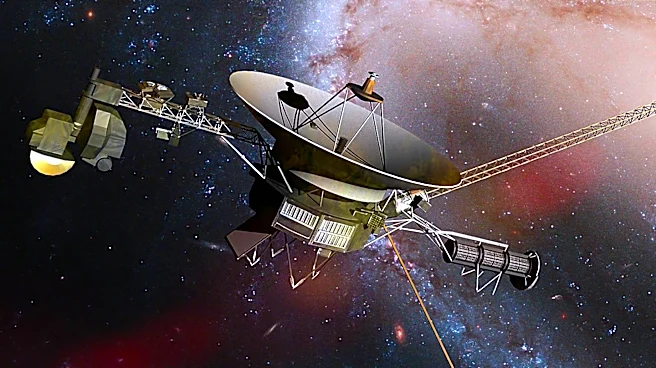
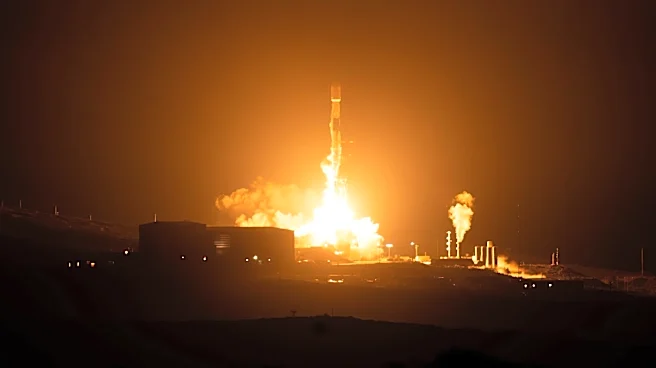
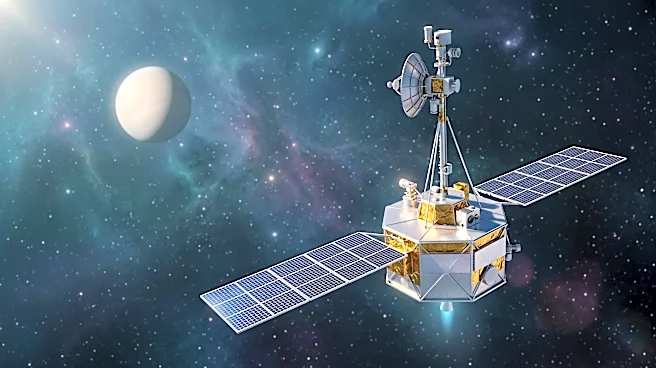
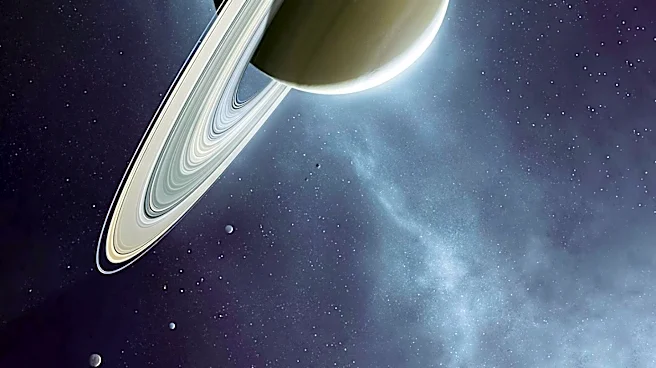
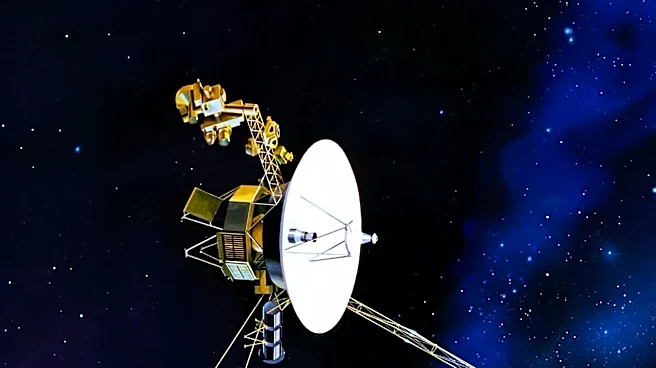
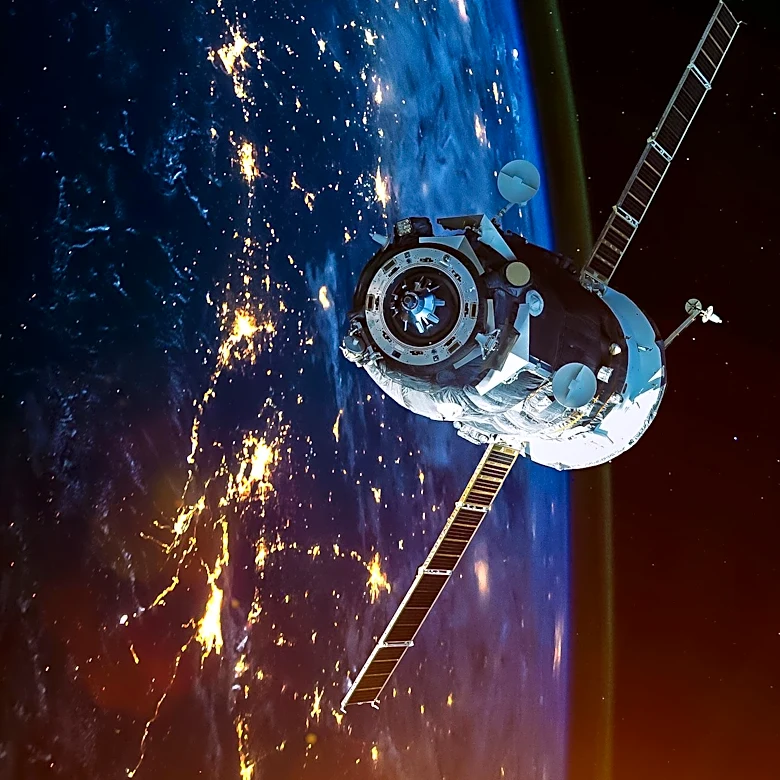
On September 5, 1977, NASA launched the Voyager 1 spacecraft from Cape Canaveral, Florida, initiating an extensive mission to explore the outer solar system. Initially, Voyager 1 focused on flybys of Jupiter in March 1979 and Saturn in November 1980.
Following its encounter with Saturn, the spacecraft altered its trajectory, heading out of the solar system. In 2012, Voyager 1 became the first human-made object to reach interstellar space, a significant milestone in space exploration. It continues to operate and collect data, though its power output has diminished over the decades, leading NASA teams to gradually shut down non-essential instruments to conserve energy. As of now, Voyager 1 is approximately 15.9 billion miles (171.6 astronomical units) from Earth and remains NASA's farthest-flung active mission. The spacecraft carries a golden record containing sights, sounds, and greetings from Earth, intended for any intelligent life it might encounter in approximately 40,000 years when it is projected to fly by another star system.
Why It's Important?
The Voyager 1 mission is a testament to human ingenuity and perseverance in space exploration, providing unprecedented data about the outer solar system and interstellar space. Its journey has expanded scientific understanding of the cosmos, offering insights into planetary environments and the boundaries of our solar system. The mission's longevity, spanning nearly five decades, highlights advancements in spacecraft design and engineering, enabling long-term data collection from extreme distances. The golden record aboard Voyager 1 represents a unique cultural and scientific endeavor, serving as a message from humanity to potential extraterrestrial civilizations. This mission continues to inspire future generations in STEM fields and underscores the importance of sustained investment in scientific research and development, pushing the boundaries of what is known and achievable in space.
What's Next?
Voyager 1 is expected to continue its journey through interstellar space, with its next significant event being a flyby of another star system in approximately 40,000 years. While its power sources are gradually depleting, NASA teams will continue to manage its operations, selectively shutting down instruments to extend its operational life as long as possible. The data it continues to transmit, even in reduced capacity, will provide valuable information about the interstellar medium. Scientists will analyze this data to further understand the environment beyond our solar system. The mission's ongoing status serves as a continuous, long-term experiment in deep space communication and spacecraft endurance, offering lessons for future interstellar probes and missions.
Beyond the Headlines
The Voyager 1 mission transcends its scientific achievements, embodying humanity's innate drive for discovery and connection with the unknown. The golden record, a carefully curated snapshot of Earth's diverse life and cultures, raises profound philosophical questions about our place in the universe and the potential for communication with other intelligent beings. It represents a universal message of peace and curiosity, designed to be understood across vast cosmic distances and timeframes. The mission also highlights the ethical considerations of interstellar communication, prompting reflection on the implications of making contact. Furthermore, Voyager 1's enduring journey serves as a powerful symbol of human legacy, a silent ambassador carrying our story into the depths of space long after its creators are gone, influencing cultural narratives and artistic interpretations of space exploration.