

What's Happening?
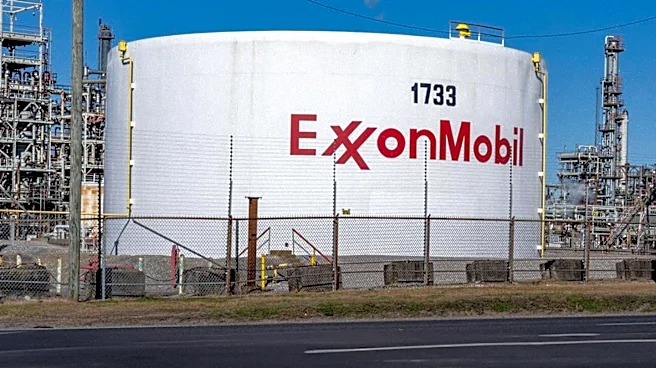
Misti Leon has filed a lawsuit against major oil companies, including ExxonMobil, Chevron, and BP, following the death of her mother, Juliana Leon, during a 2021 heat wave in the Pacific Northwest. This legal action is notable as it seeks to hold these
companies accountable for an individual's death linked to climate change. The lawsuit argues that the heat dome, which caused Juliana's death, was exacerbated by human-induced climate change, a fact supported by scientific research. This case is significant as it represents a direct attempt to link fossil fuel emissions to specific climate-related fatalities, a legal strategy that has been challenging in the past.
Why It's Important?
The lawsuit against Big Oil could set a precedent for holding fossil fuel companies accountable for their role in climate change-related disasters. If successful, it may open the door for more litigation against these companies, potentially leading to significant financial and reputational consequences. The case highlights the growing public and legal pressure on the fossil fuel industry to address its impact on climate change. It also underscores the increasing recognition of climate change as a direct threat to human life, which could influence future policy and regulatory measures aimed at reducing carbon emissions.
What's Next?
The case has been cleared for discovery and trial, marking a critical step forward. The outcome could influence similar lawsuits across the United States, as numerous states and municipalities are also pursuing legal action against oil companies. The fossil fuel industry is likely to continue its efforts to seek immunity from such lawsuits, potentially lobbying for legislative protection. The case may also prompt further public discourse on the responsibility of corporations in contributing to climate change and the need for stronger environmental regulations.
Beyond the Headlines
This lawsuit draws parallels to past legal battles against the tobacco industry, where companies were held accountable for the health impacts of their products. It raises ethical questions about corporate responsibility and transparency, as oil companies have been accused of concealing the known risks of fossil fuel emissions. The case also reflects broader societal shifts towards demanding accountability from industries that contribute to environmental degradation, potentially influencing future corporate practices and consumer behavior.