




What's Happening?
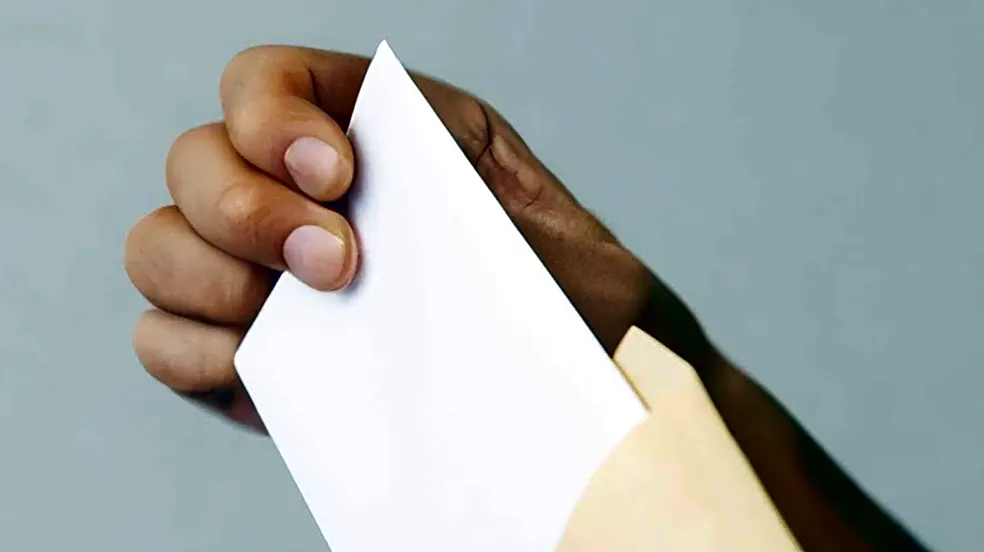
Rep. Mark DeSaulnier's office in Walnut Creek received a suspicious envelope that matched descriptions and return addresses of other suspicious mailings reported by U.S. Capitol Police. A staff member secured the envelope without opening it and promptly
contacted local law enforcement and U.S. Capitol Police. San Jose police later confirmed that the substance found inside the envelope was not hazardous. This incident is part of a broader trend where numerous congressional offices across the U.S., including those of Speaker Emerita Nancy Pelosi, Rep. Jimmy Panetta, Rep. Zoe Lofgren, and Rep. Ro Khanna in the Bay Area, have received similar suspicious packages. Additionally, election offices in multiple states like Louisiana, Oklahoma, Ohio, Idaho, and Florida have also reported receiving or intercepting letters containing powdery substances. The FBI and the U.S. Postal Inspection Service are actively investigating these mailings.
Why It's Important?
The widespread receipt of suspicious mail by congressional and election offices underscores a concerning escalation in perceived threats and political violence in the U.S. These incidents, particularly as Election Day approaches, can disrupt governmental operations and create an atmosphere of fear and intimidation among public servants and their staff. The need for law enforcement agencies like the FBI and Postal Inspection Service to investigate these occurrences highlights the seriousness with which such threats are being taken. The repeated nature of these events, reminiscent of similar incidents in previous years, suggests a persistent challenge to the security and integrity of democratic processes. The potential for these actions to undermine public trust in institutions and the safety of those working within them is significant, prompting calls for unity against such attempts to disrupt democracy.
What's Next?
Investigations by the FBI and the U.S. Postal Inspection Service into the series of suspicious mailings are ongoing. These agencies will continue to work towards identifying the individuals or groups responsible for sending these packages to congressional and election offices nationwide. Enhanced security protocols for mail handling are likely to remain in place for elected officials and government offices. Public statements from lawmakers, such as Rep. DeSaulnier's call for Americans to unite against political violence, indicate a continued focus on condemning these acts and reinforcing democratic principles. As Election Day draws nearer, vigilance regarding potential threats to election officials and processes is expected to remain high, with continued coordination between federal and local law enforcement to ensure safety and security.
Beyond the Headlines
These incidents extend beyond immediate security concerns, touching upon deeper societal issues related to political polarization and the erosion of civil discourse. The use of suspicious packages as a means of intimidation reflects a troubling trend where political disagreements can manifest in potentially dangerous ways. This pattern could lead to increased security measures that might inadvertently create a greater distance between elected officials and their constituents. Furthermore, the psychological impact on staff members who directly handle such threats can be significant, potentially affecting morale and retention in public service roles. The repeated nature of these events also raises questions about the effectiveness of current deterrents and the need for broader societal efforts to de-escalate political tensions and foster a more respectful civic environment.