



What's Happening?
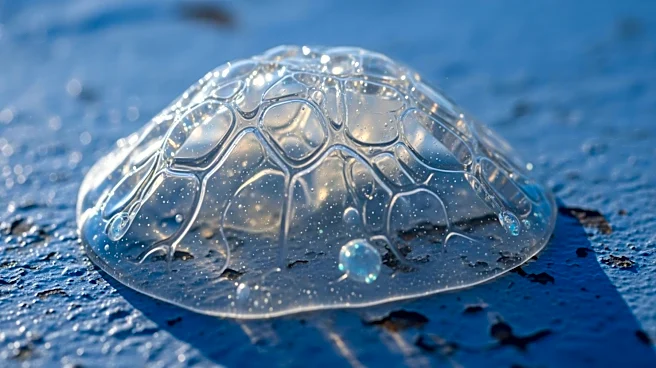
Researchers at the University of Minnesota, Duluth, have discovered a mysterious black substance aboard the research vessel R/V Blue Heron on the Great Lakes. Dubbed 'ShipGoo001,' this material was found during routine maintenance and contained DNA, indicating
the presence of life. The team reconstructed 20 genomes from the sample, revealing potentially new branches of life, including a new order of archaea and a bacterial phylum. These microbes thrive in low-oxygen, semi-warm environments similar to the ship's mechanical systems, suggesting they may have been transported via oil used for greasing the rudder.
Why It's Important?
The discovery of new life forms in such an unexpected environment highlights the resilience and adaptability of nature. This finding could have significant implications for understanding microbial life and its potential environmental impacts, such as methane production. It also underscores the importance of exploratory scientific research, which can lead to groundbreaking discoveries even in human-made environments. The presence of these microbes raises questions about their ecological roles and potential applications in biotechnology or environmental science.