






What's Happening?
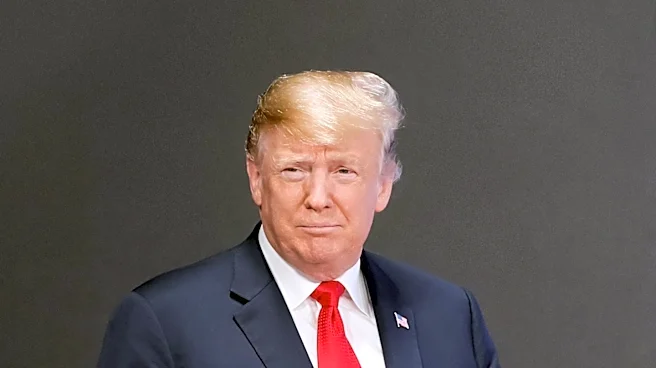
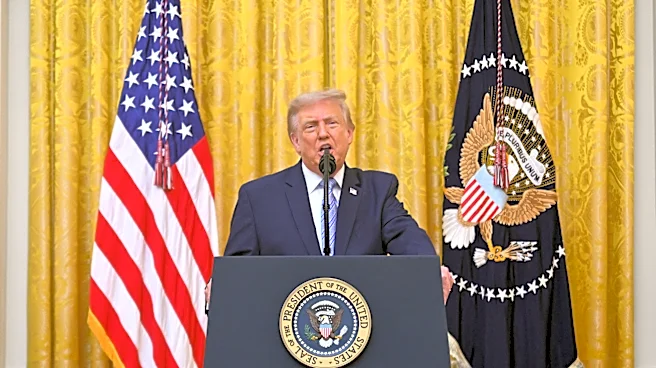
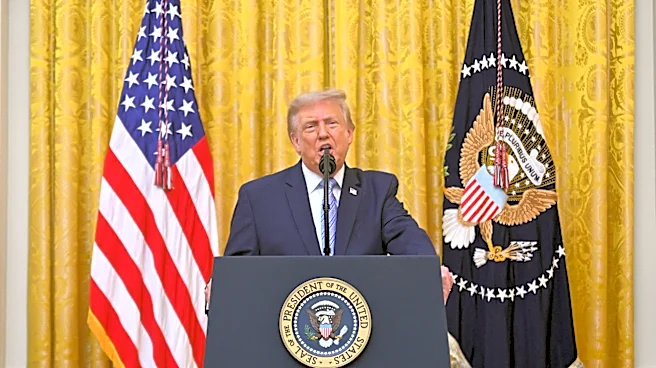
In a recent address, President Trump highlighted concerns over election integrity, citing newly declassified intelligence suggesting that China may have compromised American voter data in 2020. This has prompted Democratic leaders to respond with urgency,
warning of potential threats to the upcoming midterm elections. Representative Jim Himes and other Democratic figures have expressed concerns that Trump’s rhetoric could lead to federal intervention in state-run elections, potentially undermining democratic processes. Despite these alarms, Democrats are being urged to focus on policy rather than rhetoric, as they have previously crafted legislation aimed at securing elections, such as the SAFE Act and the Freedom to Vote Act. These efforts include measures like voter-verified paper ballots and cybersecurity requirements, which have not been fully embraced by Republicans.
Why It's Important?
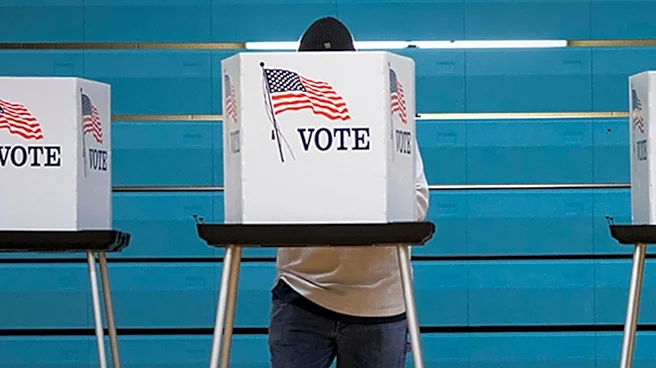
The issue of election integrity is critical as it affects public confidence in democratic processes. President Trump’s claims and the Democratic response highlight a significant political divide on how to ensure secure and fair elections. The potential for federal intervention in state elections raises concerns about overreach and the balance of power between state and federal authorities. Moreover, the debate over voter identification and citizenship verification reflects broader societal tensions about access to voting and the prevention of fraud. The outcome of this debate could influence future election laws and the political landscape, affecting voter turnout and the legitimacy of election results.
What's Next?
Democrats have an opportunity to advance their election security agenda by focusing on policy solutions that address both security and access. This includes potentially introducing a comprehensive bill that combines elements of previous Democratic proposals with citizenship verification measures. Such a bill could test bipartisan support and challenge Republicans to engage constructively on election integrity. The political dynamics surrounding this issue will likely continue to evolve as both parties seek to position themselves as champions of fair elections, with potential implications for upcoming electoral contests.