



What's Happening?
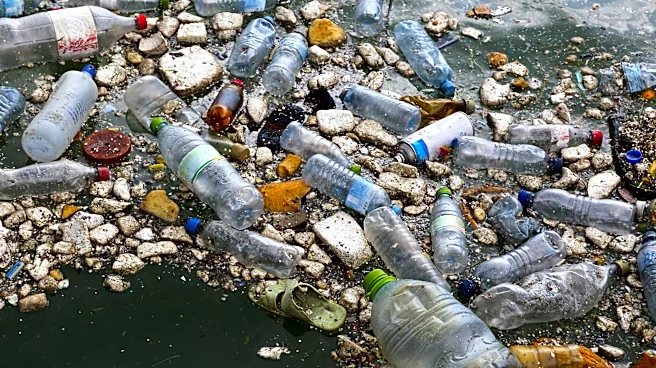
A new study indicates that plastic bottles and other floating debris entering the Great Lakes can originate from as far as 120 miles away. Researchers, including those from Loyola University and the University of Toronto, tracked GPS-equipped smoothie
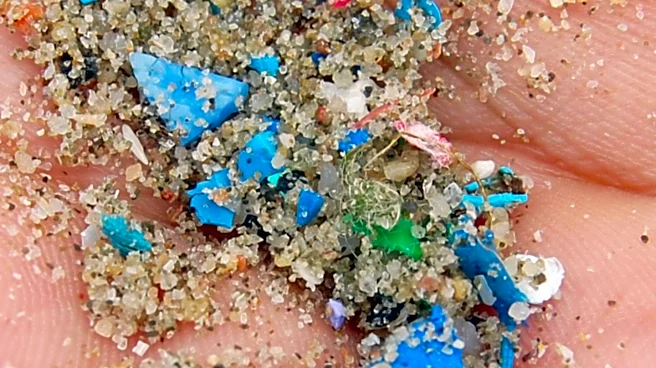
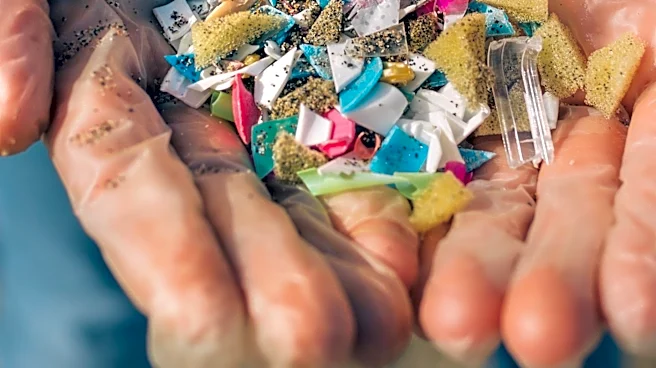
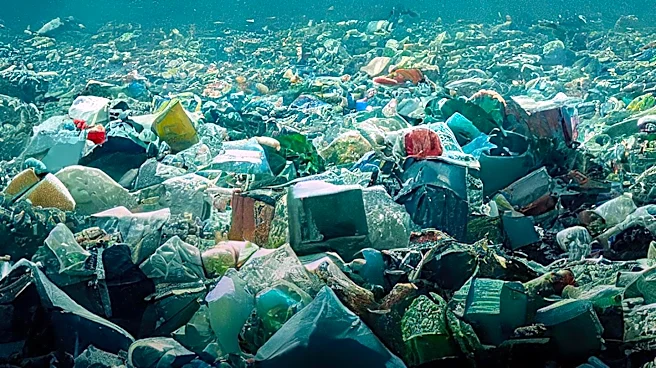
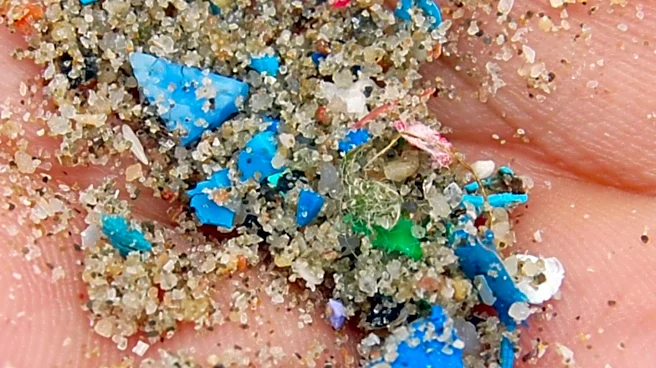
shakers tossed into rivers across the U.S. and Canada, including the Chicago River. The findings suggest that approximately half of the plastic bottles washing into the Great Lakes and oceans annually come from significant distances upstream, challenging the focus on shoreline cleanups. This research is part of a broader effort to raise public awareness and influence policymakers regarding plastic pollution. Another related study, led by Chelsea Rochman, demonstrated that microplastics quickly sink to the bottom of lakes or wash ashore, and will remain suspended in water as long as pollution continues.
Why It's Important?
This research highlights a critical aspect of plastic pollution in the Great Lakes, a vital freshwater source for 40 million Americans and Canadians. By demonstrating that plastic waste travels long distances, the study underscores the need for a more comprehensive approach to pollution control that extends beyond immediate shorelines. It implies that communities far from the Great Lakes have a significant role in contributing to or mitigating this environmental issue. The persistence of microplastics, which break down from larger items and are increasingly linked to human health concerns, poses a long-term threat to both ecosystems and public health. The findings also emphasize the limitations of current efforts, such as trash traps and beach cleanups, if upstream sources are not adequately addressed.
What's Next?
The study aims to influence public awareness and policy decisions regarding plastic pollution. Policymakers may consider implementing broader regional strategies that involve upstream communities in waste management and reduction efforts. The research suggests that initiatives like bottle deposit programs, which assign value to bottles and reduce their likelihood of becoming litter, could be effective. Continued monitoring of plastic pollution, as advocated by University of Toronto biologist Chelsea Rochman, will be crucial for understanding the long-term impacts and effectiveness of mitigation strategies. The ongoing research at the Experimental Lakes Area will continue to provide insights into the behavior and fate of microplastics in freshwater systems.
Beyond the Headlines
The study's revelation that plastic waste travels vast distances before reaching major water bodies like the Great Lakes points to a systemic issue requiring a shift in societal behavior and policy. It highlights the interconnectedness of waterways and the far-reaching consequences of local pollution. The breakdown of macroplastics into micro- and nanoplastics, which are found in human organs and linked to disease, raises significant public health concerns that extend beyond environmental damage. The call for policy changes, such as bottle deposit programs, suggests a move towards extended producer responsibility and a circular economy model. This also touches upon the ethical responsibility of individuals and industries to prevent waste at its source, rather than solely relying on cleanup efforts.