

What's Happening?
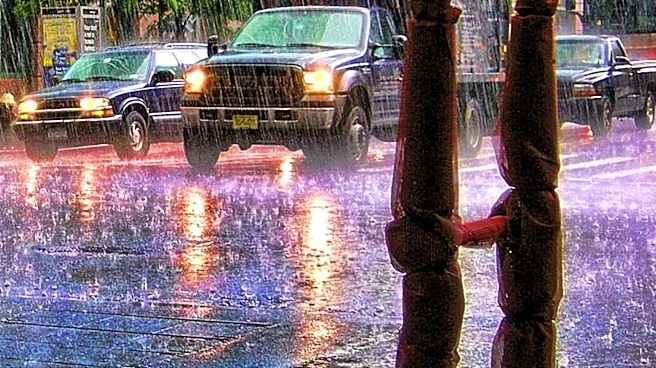
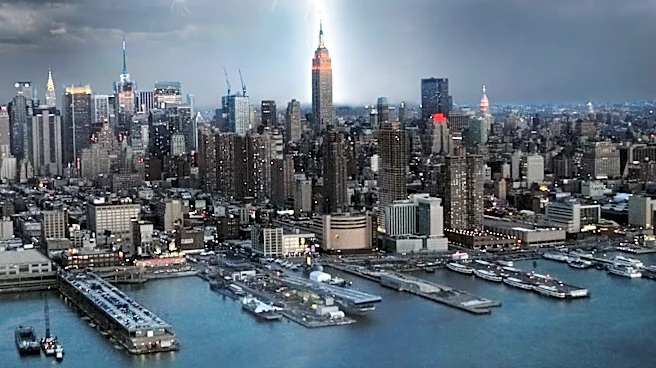
New York City has proactively opened a series of temporary safe locations at various schools across the city in response to the threat of flooding from severe storms. This initiative aims to provide residents with secure places to seek refuge as weather
conditions worsen. The decision to utilize school facilities as safe havens underscores the city's commitment to public safety during extreme weather events. CBS News New York's Aziza Shuler reported on the development, highlighting the city's preparedness measures in the face of potential natural disasters. The move comes as part of a broader strategy to mitigate the impact of severe weather on the city's population, ensuring that those in flood-prone areas have access to safe shelter.
Why It's Important?
The opening of safe locations in New York City schools is a critical measure to protect residents from the dangers posed by severe weather, particularly flooding. Flooding can lead to significant property damage, disrupt transportation, and pose serious risks to public safety. By providing designated safe locations, the city is taking a proactive approach to minimize these risks and ensure the well-being of its citizens. This initiative is particularly important for vulnerable populations who may not have the means to evacuate or find alternative shelter. The city's actions reflect a growing recognition of the need for comprehensive emergency preparedness plans in urban areas, especially as climate change increases the frequency and intensity of severe weather events.
What's Next?
As the severe storm system continues to develop, New York City officials will likely monitor weather conditions closely and adjust their emergency response plans as needed. The success of this initiative could lead to the establishment of more permanent emergency shelters in schools or other public buildings, enhancing the city's resilience to future weather-related emergencies. Additionally, the city's response may prompt other municipalities to adopt similar strategies, fostering a broader culture of preparedness across the region. Public communication will be key, as officials work to ensure that residents are aware of the available resources and know how to access them in times of need.