








What's Happening?
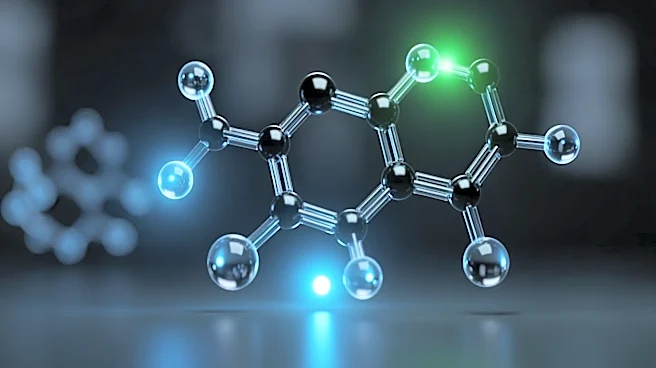
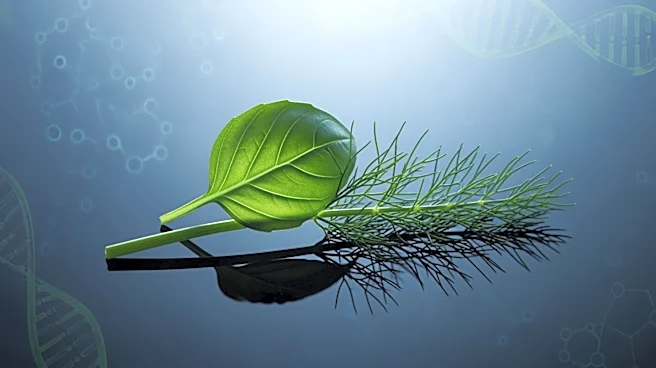
A study conducted by researchers at the RPTU University Kaiserslautern-Landau has identified that methyleugenol, a compound found in basil, fennel, and other herbs, can cause DNA damage in human cells. Methyleugenol is metabolized in the liver into a reactive
form that can alter DNA, potentially leading to carcinogenic effects. The study, published in the journal Cell Death & Disease, used various human cell models to investigate DNA repair mechanisms. It was found that methyleugenol-derived DNA adducts block transcription, a critical process for protein production, and activate a repair mechanism known as transcription-coupled nucleotide excision repair (TC-NER). This discovery is particularly significant for individuals with impaired DNA repair mechanisms, such as those with Cockayne syndrome, who may experience increased DNA damage and liver dysfunction from consuming methyleugenol-containing herbs.
Why It's Important?
The findings of this study have significant implications for public health, particularly for individuals with genetic disorders affecting DNA repair. The accumulation of DNA damage from methyleugenol could exacerbate health issues in these populations, leading to liver dysfunction and potentially increasing cancer risk. This research highlights the need for further investigation into the safety of consuming methyleugenol-containing foods and herbs, especially for vulnerable groups. Understanding the mechanisms of DNA damage and repair can inform dietary recommendations and regulatory policies to protect at-risk individuals.
What's Next?
Future research will focus on understanding how methyleugenol-induced DNA damage is tolerated in non-transcribed regions of DNA and its contribution to genetic alterations. The study's authors aim to explore the broader implications of methyleugenol and related compounds on human health, potentially leading to revised safety guidelines for food products and herbal medicines. Additionally, further studies may investigate the role of methyleugenol in other genetic disorders and its long-term effects on human health.