







What's Happening?
The oil market is experiencing volatility due to renewed hostilities between the U.S. and Iran, which have caused fuel prices to rise. Despite a previous decline in crude prices due to oversupply fears, the geopolitical tensions have reversed this trend.
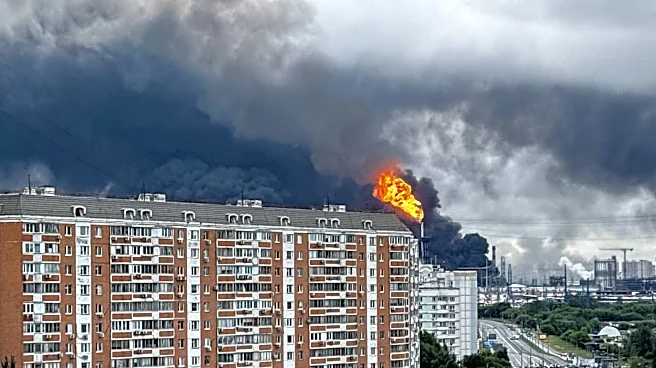
The International Energy Agency (IEA) reports that refining margins have surged to four-year highs as product markets tighten, even as crude prices have fallen. This unusual situation is attributed to disruptions in Middle Eastern refineries and ongoing Ukrainian drone attacks affecting Russian refining capacity. The IEA anticipates that the current disconnect between crude supply and product markets will eventually resolve as refineries restart and supply chains normalize. However, this outlook depends on the stability of tanker traffic through the Strait of Hormuz and the absence of further escalations in U.S.-Iran tensions.
Why It's Important?
The rise in fuel prices due to geopolitical tensions has significant implications for global energy markets and economies. Higher refining margins benefit companies that can maintain operations, as they profit more from converting crude into fuel products. However, consumers and industries reliant on gasoline and diesel face increased costs, potentially impacting economic activities and inflation rates. The situation underscores the vulnerability of global oil markets to geopolitical risks, which can disrupt supply chains and affect pricing. The ongoing tensions could influence energy policies and strategic reserves management, as countries seek to mitigate the impact of such disruptions.
What's Next?
Future developments will depend on the geopolitical landscape, particularly the U.S.-Iran relationship. If tensions escalate, further disruptions in oil supply and refining capacity could occur, leading to sustained high fuel prices. Conversely, diplomatic resolutions could stabilize markets and reduce prices. Stakeholders, including governments and energy companies, will likely monitor the situation closely, adjusting strategies to manage risks and ensure energy security. The IEA's forecast of a market surplus later this year hinges on the assumption that current tensions do not escalate further.