







What's Happening?
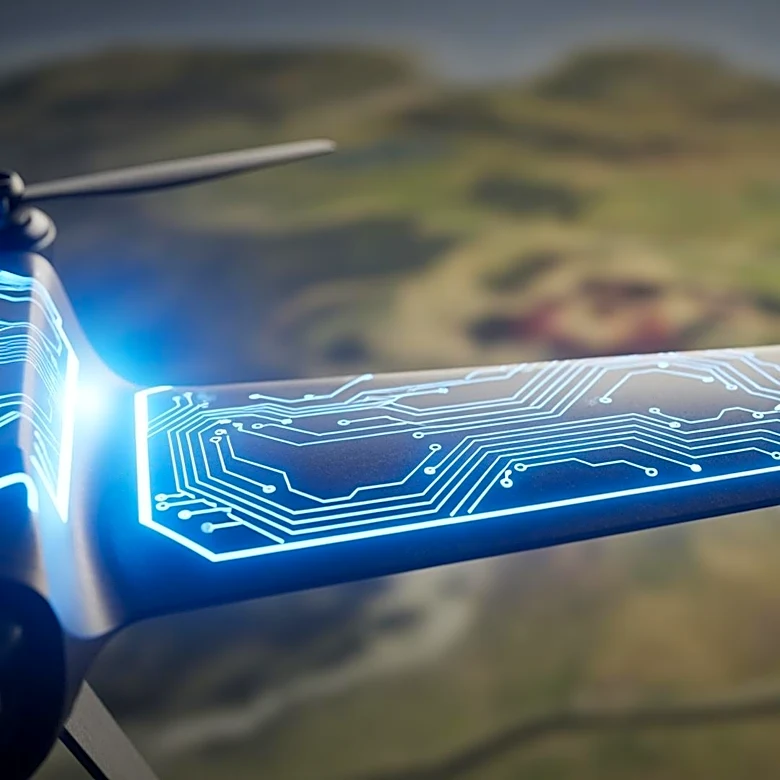
INTEC Industrie-Technik GmbH and Skyeton Germany GmbH have entered into a strategic partnership to deliver advanced unmanned aviation solutions to the German Armed Forces. This collaboration, formalized at the ILA 2026 exhibition in Berlin, aims to integrate
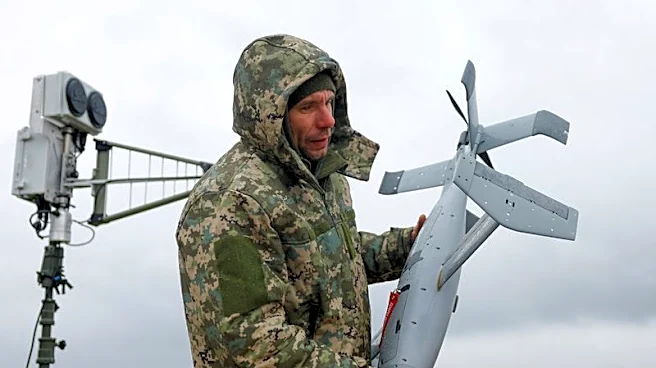
Skyeton's Raybird unmanned aviation system with INTEC's engineering and system integration capabilities. The Raybird platform, which has accumulated over 350,000 combat flight hours, is known for its resilience and operational efficiency, particularly in electronic warfare environments. The partnership will adapt the Raybird system to meet European and German standards, leveraging INTEC's technical expertise. This initiative is expected to enhance the German military's intelligence, surveillance, and reconnaissance capabilities.
Why It's Important?
The integration of unmanned aviation systems like Raybird into the German Armed Forces represents a significant advancement in military technology. This collaboration not only strengthens Germany's defense capabilities but also aligns with broader European defense strategies. The use of combat-proven systems ensures reliability and efficiency, which are crucial in modern warfare. For the U.S., this development highlights the growing importance of unmanned systems in global military operations, potentially influencing U.S. defense policies and procurement strategies. The partnership also underscores the role of international collaborations in advancing military technology, which could lead to increased competition and innovation in the defense sector.
What's Next?
The next steps involve adapting the Raybird system to German and European standards, which will require extensive testing and validation. This process will likely involve collaboration with other European defense entities to ensure compliance with regional regulations. The successful integration of Raybird could lead to further partnerships and the development of additional unmanned systems tailored to specific military needs. Stakeholders, including defense contractors and military strategists, will be closely monitoring the outcomes of this partnership to assess its impact on future defense projects and international collaborations.
Beyond the Headlines
This partnership may have broader implications for the defense industry, particularly in terms of ethical considerations surrounding the use of unmanned systems in warfare. As these technologies become more prevalent, discussions around their regulation and the potential for autonomous decision-making in combat scenarios will intensify. Additionally, the collaboration highlights the increasing role of artificial intelligence in military applications, raising questions about the balance between human oversight and machine autonomy in critical operations.