



What's Happening?
For the first time since 2008, the city of Marina, California, will see a new mayor, as longtime incumbent Bruce Delgado is not seeking re-election. Three candidates are currently vying to fill the position: Councilmember Liesbeth Visscher, healthcare
professional Mike Moeller, and Hartnell College professor Ana Luz Acevedo-Cabrera. Delgado has publicly endorsed Visscher as his preferred successor. Visscher, first elected to the council in 2022, is campaigning on her commitment to completing ongoing city projects, including an aquatics center, a long-term maintenance plan, and downtown revitalization. Moeller, who previously served on the City Facilities Citizens Advisory Committee, advocates for a lower tax focused solely on public safety facilities, differing from the proposed 7-percent utility users tax (Measure Q). Acevedo-Cabrera, with an engineering background, emphasizes addressing workforce housing shortages, the cost of living, and public safety.
Why It's Important?
This mayoral race is critical for Marina as it marks a significant leadership transition after 18 years under Mayor Bruce Delgado. The new mayor will inherit a city facing several pressing issues, including the need for updated public facilities, housing development, and economic revitalization. The candidates' differing approaches to these challenges, particularly regarding taxation and development, will shape Marina's future trajectory. For instance, Visscher's focus on completing existing projects suggests continuity and stability, while Moeller's stance on taxation reflects a concern for fiscal burden on residents. Acevedo-Cabrera's emphasis on workforce housing and public safety highlights key quality-of-life issues. The outcome will determine the city's direction on infrastructure, economic growth, and social welfare, directly impacting residents and local businesses.
What's Next?
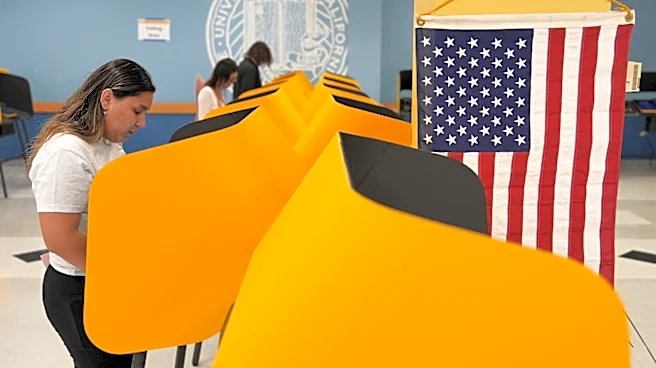
Marina voters will decide on their next mayor and also on Measure Q, a utility users tax intended to fund new public facilities, in the upcoming election. The candidates will likely continue to articulate their visions for the city, focusing on how they plan to address the challenges of an aging infrastructure, housing affordability, and public safety. The debate around Measure Q will be a central point of contention, with candidates either supporting or proposing alternatives to the tax. The new mayor will need to navigate these issues, potentially working to build consensus on development projects like the Cypress Knolls property, which Visscher views as the last opportunity for large-scale 'missing middle' housing. The election's results will set the agenda for Marina's development and governance for the foreseeable future.
Beyond the Headlines
The Marina mayoral race reflects a common challenge faced by many growing U.S. cities: balancing development and infrastructure needs with community concerns about taxation and affordability. The retirement of a long-serving mayor often creates an open field, allowing for new perspectives and potentially significant shifts in policy. The candidates' backgrounds—from an experienced council member to a healthcare professional and an academic—underscore the diverse skill sets and priorities that can emerge in local leadership contests. The discussion around the Cypress Knolls property and 'missing middle' housing highlights the ongoing national conversation about sustainable urban growth and equitable housing solutions. The election's outcome will not only determine Marina's leadership but also provide insights into how local communities are choosing to address complex urban development and fiscal issues.