







What's Happening?
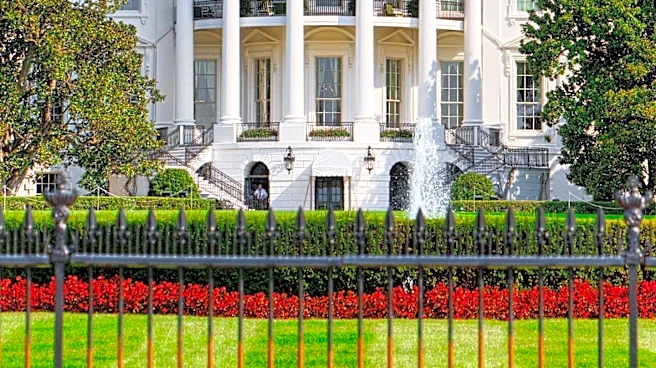
The viability of open-source AI models is under scrutiny as new regulations are being considered to manage their development and deployment. Discussions at the White House suggest potential actions to regulate open models, particularly those originating
from China. The focus is on models with capabilities comparable to advanced closed models, raising concerns about the future of open-source AI. The debate centers around the balance between innovation and security, with some advocating for exemptions for open-source models based on their capabilities. The potential for a ban or delay on high-capability open models poses significant implications for the open-source community.
Why It's Important?
The regulatory landscape for open-source AI models is critical to the future of AI innovation and development. Open models offer significant benefits in terms of accessibility and collaboration, but they also present security risks if not properly managed. The potential for regulatory action against open models could stifle innovation and limit the growth of the open-source AI ecosystem. This situation highlights the need for a balanced approach that addresses security concerns while fostering innovation. The outcome of these discussions could have far-reaching implications for the AI industry and its stakeholders.
What's Next?
As discussions around regulating open-source AI models continue, stakeholders may need to advocate for policies that support innovation while addressing security concerns. The open-source community could play a crucial role in shaping these policies by demonstrating the benefits of open models and collaborating with policymakers. The potential for a global agreement on AI model management could also influence the regulatory approach in the U.S. The ongoing debate is likely to impact the development and deployment of open-source AI models in the coming months.