



What's Happening?
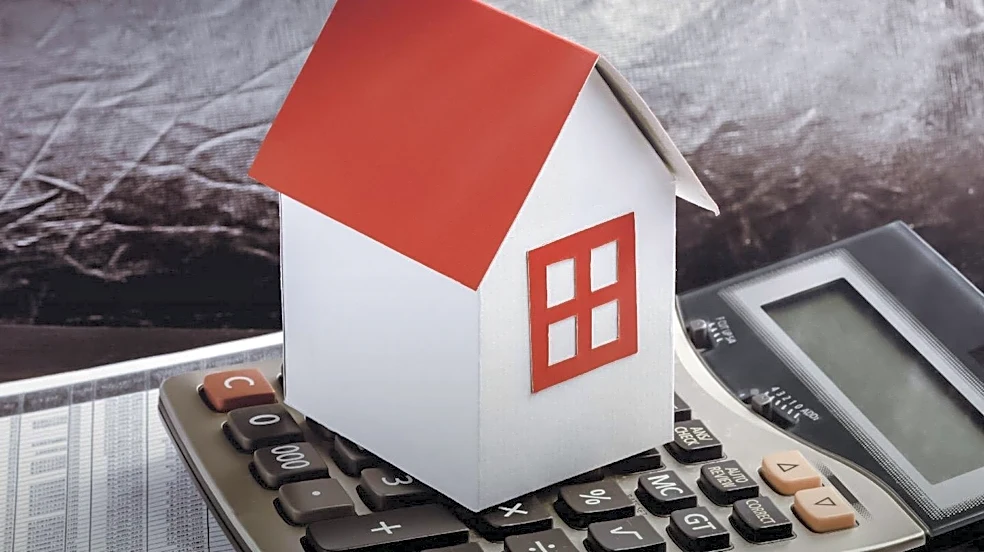
Buying a house with no money down is possible for certain qualifying individuals in the U.S., primarily through government-backed loans or specific lender programs. VA loans, guaranteed by the Department of Veterans Affairs, allow eligible service members
and veterans to purchase a home without a minimum down payment. USDA loans, backed by the U.S. Department of Agriculture, offer zero-down mortgages for low- and moderate-income buyers in eligible rural areas. Additionally, some lenders provide their own 100% financing programs, such as Navy Federal Credit Union's zero-down mortgage for eligible military members and Regions Bank's Affordable 100 program for low- to moderate-income borrowers. Physician loans also cater to eligible medical professionals, often without a down payment requirement.
Why It's Important?
The availability of no-down-payment mortgage options significantly lowers the barrier to homeownership for many Americans, particularly those who struggle to save for a substantial down payment. This is crucial for military personnel, rural residents, and medical professionals, allowing them to access housing sooner and retain more cash for other expenses or home improvements. While these loans eliminate the upfront down payment, borrowers still face closing costs, and some programs include funding fees or guarantee fees. These options can stimulate local housing markets by increasing the pool of eligible buyers, contributing to economic activity. However, it's important for borrowers to understand the potential trade-offs, such as higher interest rates or the need for mortgage insurance, which can impact the long-term cost of the loan.
What's Next?
Prospective homebuyers interested in no-down-payment options should research the specific eligibility requirements for VA, USDA, and lender-specific programs. This includes verifying service member status, income limits for USDA loans, or professional qualifications for physician loans. It is also crucial to compare the terms and conditions of different loan products, including interest rates, fees, and any mortgage insurance requirements. While a down payment may not be needed, buyers should still budget for closing costs and other associated expenses. The housing market will continue to see these programs play a vital role in supporting homeownership for specific demographics, and lenders may further innovate to offer competitive solutions in this space.
Beyond the Headlines
The existence of no-down-payment mortgage programs reflects a broader societal effort to make homeownership more accessible, acknowledging that the traditional 20% down payment can be an insurmountable hurdle for many. These programs often serve as a form of social and economic support, particularly for veterans and those in underserved rural areas, aligning with government objectives to promote stability and community development. However, the increased risk for lenders in 100% financing scenarios means that these loans often come with stricter qualification criteria or additional fees, highlighting the complex interplay between accessibility and financial prudence. The long-term implications for borrowers include potentially less equity in the initial years of homeownership, which can be a disadvantage if property values decline or if they need to sell soon after purchase.