





What's Happening?
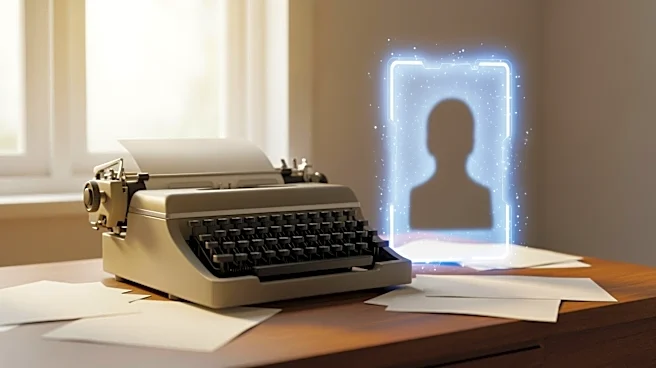
Education Secretary Linda McMahon recently faced criticism for posting an AI-generated image of civil rights activist Ida B. Wells on her Truth Social account. The image, which depicted a woman at a desk with a quill pen, was labeled 'Photo by Gemini,'
indicating it was created using a Google AI tool. Critics argue that the use of such an image is historically inaccurate and undermines the values Wells stood for, such as truth-telling and fighting against false representations. This incident is part of a broader pattern of the Trump administration using digitally altered images, which has sparked backlash in the past.
Why It's Important?
The use of AI-generated images in official communications raises concerns about historical accuracy and the potential for misinformation. In this case, the image misrepresented a significant figure in Black history, which could distort public understanding of her legacy. The incident highlights the broader issue of digital manipulation in government communications, which can undermine public trust. It also underscores the importance of using authentic historical resources, especially when educating the public about influential figures like Ida B. Wells.
What's Next?
The controversy may prompt further scrutiny of the use of AI-generated content in government communications. It could lead to calls for stricter guidelines on the use of digital images to ensure historical accuracy and integrity. Additionally, there may be increased pressure on the Education Department and other government agencies to prioritize authentic representations in their educational materials. This incident could also spark a broader discussion about the role of AI in shaping public perceptions of history.
Beyond the Headlines
The incident reflects a growing trend of using AI in creating historical content, which poses ethical questions about authenticity and representation. As AI technology becomes more prevalent, there is a risk of eroding the distinction between genuine historical artifacts and digitally created images. This could have long-term implications for how history is taught and understood, potentially leading to a revisionist narrative that lacks grounding in factual evidence.