





What's Happening?
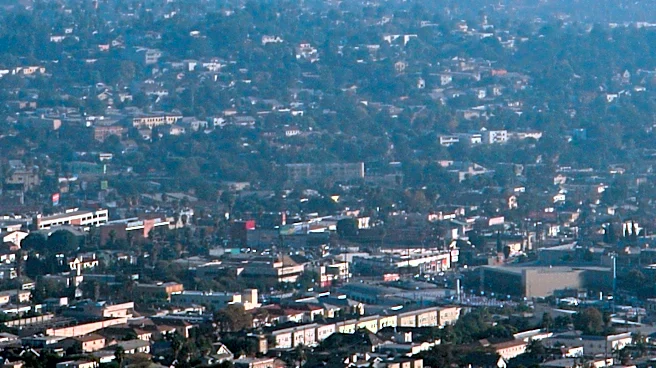
Los Angeles has been identified as the most mosquito-infested city in the United States, experiencing a significant surge in mosquito populations. This increase is attributed to a combination of record-shattering heatwaves and El Niño weather patterns,
which have created ideal breeding conditions for the insects. Residents are reporting widespread issues, with mosquitoes terrorizing backyards and outdoor spaces. Los Angeles County has recorded over 180 cases of West Nile virus this year, marking the highest spike in nearly a decade. The native 'Culex' mosquito, which transmits West Nile virus from wild birds to humans, is prevalent. Additionally, hyper-aggressive invasive 'Aedes' mosquitoes, known as 'ankle-biters' for their tendency to target human legs and bite multiple times, are also contributing to the problem. Vector control officials in nearby Orange County have found 850 traps loaded with West Nile-positive mosquitoes.
Why It's Important?
The designation of Los Angeles as the most mosquito-infested city highlights a severe public health crisis with significant implications for residents. The dramatic increase in West Nile virus cases poses a direct threat to human health, potentially leading to severe neurological illness or even death in vulnerable populations. The pervasive presence of mosquitoes also impacts the quality of life, making outdoor activities unpleasant and even unsafe, which can affect local businesses reliant on outdoor dining and recreation. The combination of climate factors like heatwaves and El Niño suggests a growing challenge that may become more frequent, requiring long-term adaptation strategies. This situation underscores the urgent need for effective vector control measures and public awareness campaigns to mitigate health risks and restore comfort for residents. The economic impact could also be substantial, affecting tourism and local commerce.
What's Next?
Local public health departments and vector control agencies in Los Angeles and surrounding areas will likely intensify their efforts to combat the mosquito infestation. This could include increased surveillance, targeted larvicide applications, and public education campaigns on preventive measures. Residents are encouraged to take personal precautions, such as using insect repellents, wearing protective clothing, and eliminating standing water around their homes to reduce breeding sites. Given the severity of the situation and the high number of West Nile virus cases, there may be calls for additional funding and resources for mosquito control programs. The long-term outlook suggests that climate-related factors will continue to influence mosquito populations, necessitating ongoing and adaptive strategies to manage these pests effectively in the future.
Beyond the Headlines
The mosquito crisis in Los Angeles serves as a stark illustration of how climate change and extreme weather events can directly impact urban environments and public health. The interplay of record heat and El Niño creating a 'breeding paradise' for mosquitoes points to a future where vector-borne diseases may become more prevalent in areas previously less affected. This situation also brings to light the challenges of managing invasive species, as the 'Aedes' mosquitoes contribute significantly to the problem with their aggressive biting habits. The public's frustration, as expressed by residents, underscores the psychological and social toll of living in a heavily infested area. This event could catalyze greater investment in climate resilience strategies, urban planning that considers vector control, and advanced scientific research into managing pest populations in a changing climate, potentially leading to new public health paradigms.