







What's Happening?
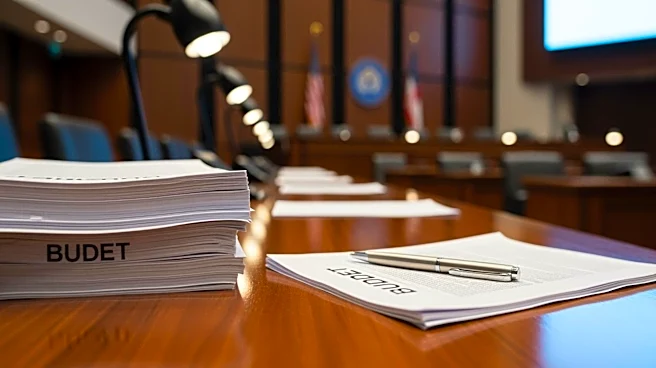
The Michigan House of Representatives and Senate have expedited the 2026-27 fiscal year budget process, advancing their respective budget proposals. This acceleration is partly attributed to the upcoming 2026 midterm elections, which may be influencing
the pace of legislative activities. Despite the progress, significant challenges remain, as the budget proposals from both chambers have been drafted without bipartisan consultation. Notably, the proposed budgets do not incorporate the $800 million in new tax revenue suggested by Governor Gretchen Whitmer. The discussions around the budget also highlight the impact of data centers on potential rate increases, a topic of growing concern in the state.
Why It's Important?
The swift movement on the budget process reflects the political dynamics at play in an election year, where lawmakers are keen to demonstrate efficiency and responsiveness to constituents. The exclusion of Governor Whitmer's proposed tax revenue indicates potential partisan divides that could affect the final budget outcome. The focus on data centers and their influence on rate increases underscores the intersection of technology and public policy, with implications for both economic development and consumer costs. These developments are crucial for Michigan's fiscal health and could set precedents for future budget negotiations.
What's Next?
As the budget process continues, further negotiations are expected between the House Republicans and Senate Democrats to reconcile differences and potentially incorporate elements of Governor Whitmer's proposals. The role of data centers in the budget discussions may prompt additional legislative scrutiny or regulatory measures to address rate concerns. Stakeholders, including businesses and consumer advocacy groups, are likely to engage more actively as the budget process unfolds, seeking to influence outcomes that align with their interests.