

What's Happening?
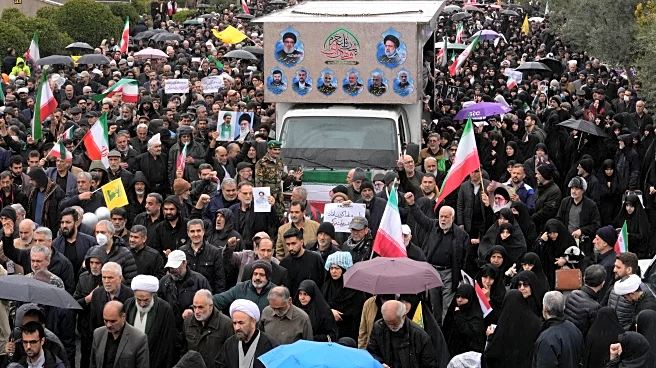
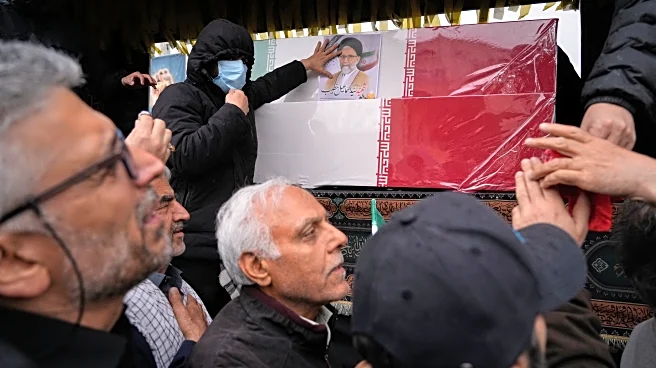
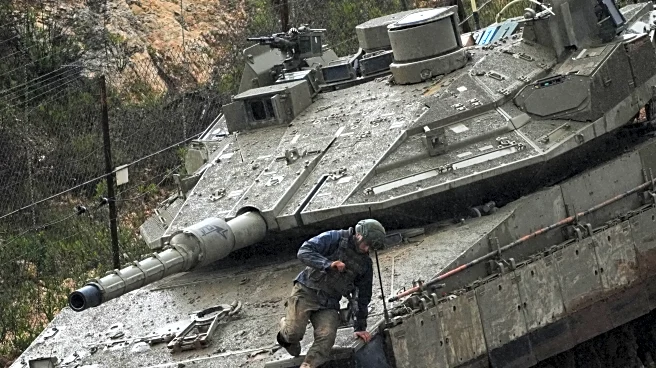
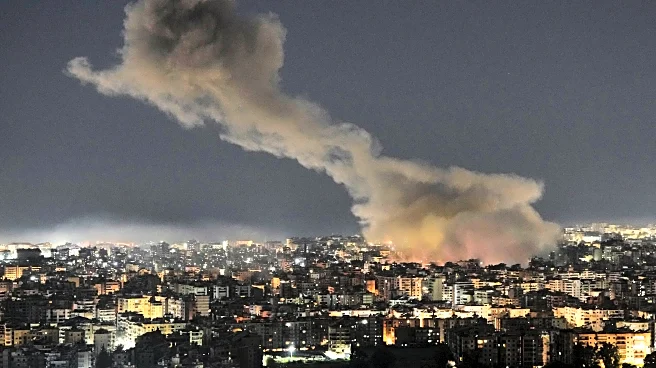
Lebanon is experiencing a resurgence of conflict as Israeli military operations intensify against Hezbollah, an Iran-backed militia. The conflict, which reignited after Hezbollah launched projectiles into Israel in retaliation for the death of Iranian
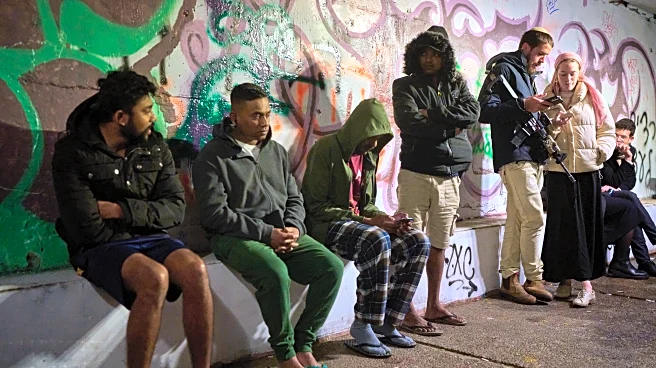
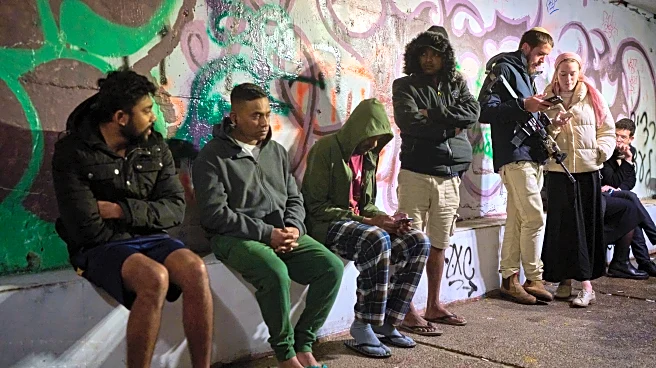
Supreme Leader Ali Khamenei, has resulted in over 1,000 deaths since March 2. The Israel Defense Forces (IDF) have targeted Hezbollah strongholds in southern Lebanon, leading to significant civilian casualties and displacement. The IDF has issued evacuation orders for large areas, but many civilians remain caught in the crossfire. The conflict has exacerbated tensions within Lebanon, with over 1 million people displaced and strained relations between communities. The precision of Israeli strikes, often without warning, has added a psychological dimension to the conflict, with fears that Lebanon could face devastation similar to that seen in Gaza.
Why It's Important?
The renewed conflict in Lebanon has significant implications for regional stability and humanitarian conditions. The high civilian toll and displacement crisis highlight the severe humanitarian impact, with international aid organizations struggling to meet the needs of those affected. The conflict also underscores the geopolitical tensions involving Iran, Israel, and Hezbollah, with potential repercussions for U.S. foreign policy and military strategy in the Middle East. The situation could influence U.S. diplomatic efforts and military aid decisions, particularly given the historical context of U.S. involvement in the region. Additionally, the conflict may affect global oil markets and economic conditions, as Lebanon's instability could disrupt regional trade routes and energy supplies.
What's Next?
The conflict's trajectory remains uncertain, with potential for escalation if diplomatic solutions are not pursued. International stakeholders, including the United Nations and major powers, may increase pressure for a ceasefire and negotiations. The Lebanese government faces internal pressure to address Hezbollah's role and the broader security situation, which could lead to political shifts or reforms. Humanitarian organizations are likely to call for increased international support to address the displacement crisis and prevent further deterioration of living conditions. The conflict's outcome could influence future U.S. policy decisions regarding military aid and diplomatic engagement in the Middle East.
Beyond the Headlines
The conflict in Lebanon highlights deeper issues of sectarianism and political fragmentation within the country. The influx of displaced people has strained social cohesion, with reports of discrimination against certain groups. The situation also raises questions about the long-term viability of Lebanon's political system, which has struggled to manage internal divisions and external pressures. The conflict may prompt discussions about the role of non-state actors like Hezbollah in regional security dynamics and the challenges of balancing military action with humanitarian considerations. The psychological impact of the conflict on Lebanese society, particularly among children and displaced families, could have lasting effects on the country's social fabric.