


What's Happening?
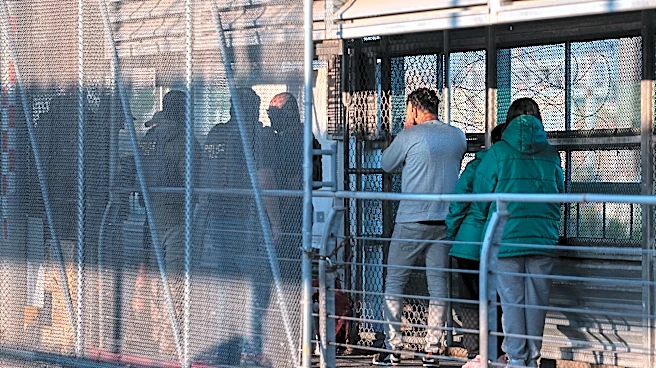
Effective October 1, 2026, the U.S. State Department is broadening its online screening procedures for visa applicants to include I visas for foreign media representatives, TN visas for Canadian and Mexican professionals, and TD visas for their dependents.
Applicants in these categories are now required to make their social media profiles public or open for review by consular officers. This expansion builds upon an existing vetting system that already applies to numerous other visa categories, such as diplomatic and official visas (A-3, C-3, G-5), student visas (F-1, M-1, F-2, M-2), temporary worker and trainee visas (H-1B, H-3, H-4), exchange visitor visas (J-1, J-2), fiancé and dependent visas (K-1, K-2, K-3), international cultural exchange participant visas (Q), religious occupation visas (R-1, R-2), and visas for witnesses, informants, and victims (S, T, U). The State Department asserts its right to utilize information from any available source to determine visa eligibility and assess potential national-security or public-safety concerns.
Why It's Important?
This policy change signifies a substantial increase in the U.S. government's scrutiny of visa applicants' digital footprints. For individuals seeking I, TN, and TD visas, their public online presence will now be a direct component of their application review. This could lead to increased questioning or delays if information found online, such as inconsistent employment history or statements about immigration intentions, conflicts with the details provided in their official visa application. The expansion underscores a growing trend of governments leveraging social media data for national security and immigration enforcement. It places a greater burden on applicants to meticulously review and manage their public online content to ensure consistency and accuracy with their visa submissions, potentially impacting a wide range of professionals and media personnel seeking entry into the U.S.
What's Next?
Visa applicants, particularly those in the newly included categories, should anticipate that their public online presence will be thoroughly reviewed and cross-referenced with the information submitted in their visa applications. It is advisable for applicants to proactively audit their social media profiles and other public online content to ensure accuracy and consistency with their official documentation. Any discrepancies could trigger additional scrutiny, interviews, or processing delays. This policy may also prompt other countries to consider similar measures, potentially setting a precedent for broader international immigration screening practices. Legal and civil liberties groups may also monitor the implementation of this expanded screening for potential implications regarding privacy and freedom of expression.
Beyond the Headlines
The expanded social media screening raises deeper questions about digital privacy, the scope of government surveillance, and the definition of 'public' information in the digital age. While the stated aim is to enhance national security and public safety, the policy could inadvertently lead to self-censorship among visa applicants who may feel compelled to curate their online personas to avoid potential issues. It also highlights the challenges of interpreting online content, which can often lack context or be subject to misinterpretation. The policy could disproportionately affect individuals from certain cultural backgrounds or those who use social media in ways that differ from U.S. norms. This development underscores the increasing integration of digital identity into official processes and the evolving balance between national security interests and individual privacy rights.