






What's Happening?
Arctic communities and regions are advocating for their needs and perspectives to remain central to European policy, particularly in the development of proposed EU regional policies for 2028–2034. This call was emphasized at the NSPA Forum 2026, where
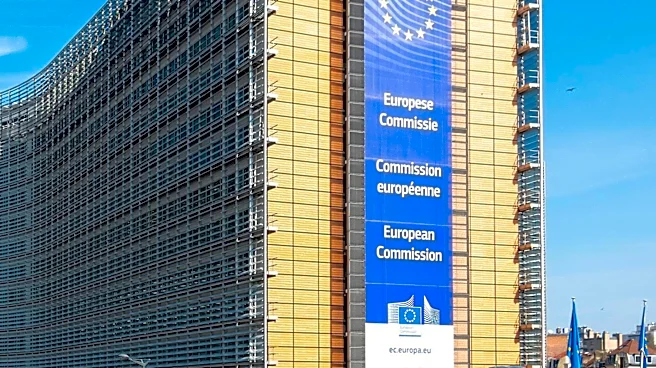
Hannu Takkula, Regional Governor of Lapland, highlighted the importance of maintaining regional influence and preventing greater centralization of decision-making. Miguel Roncero from the European Commission's DG MARE presented the new EU Arctic Strategy, encouraging regional actors to voice their priorities in Brussels to ensure local ambitions are reflected in its implementation. Discussions at the forum also explored the green transition and sustainable development in the European Arctic, acknowledging the benefits of EU funding while addressing challenges in balancing environmental goals with other land-use priorities.
Why It's Important?
The emphasis on keeping Arctic communities at the heart of European policy is crucial for ensuring that policies are effective, equitable, and responsive to local realities. Without direct input from those living in the Arctic, policies risk being detached from the unique environmental, social, and economic challenges of the region. This approach helps prevent top-down mandates that could inadvertently harm local livelihoods or cultural practices. For the U.S., which has its own Arctic interests and indigenous populations, this European focus on community-centric policy-making could serve as a valuable precedent or point of comparison. It underscores the importance of local engagement in international and national strategies concerning the Arctic, a region of increasing strategic importance due to climate change and resource potential. The involvement of local communities can also foster greater resilience and sustainable development in a rapidly changing environment.
What's Next?
The next steps involve translating the ambitions of the new EU Arctic Strategy into concrete actions at regional and national levels, with a strong emphasis on people, local communities, young people, and Indigenous Peoples. Regional actors are encouraged to continue making their voices heard in Brussels and among EU Member States to ensure their priorities are integrated into policy implementation. For the Interreg Northern Periphery and Arctic (NPA) programme, these discussions reinforce the ongoing importance of transnational cooperation and locally driven solutions for building a sustainable and thriving Arctic. The continued engagement of Arctic communities will be vital in shaping future policies related to climate change, resource management, and economic development, ensuring that these policies are both effective and respectful of local needs and aspirations.
Beyond the Headlines
The call for community-centric policy in the Arctic highlights a broader global trend towards recognizing the importance of local and indigenous knowledge in addressing complex challenges like climate change and sustainable development. It challenges traditional top-down governance models by advocating for a more inclusive and participatory approach. This shift acknowledges that the unique vulnerabilities and opportunities of the Arctic require tailored solutions that can only be developed with the active involvement of those who live there. The ethical dimension of ensuring self-determination and cultural preservation for Indigenous Peoples in the Arctic is also a key underlying factor. This approach could lead to more legitimate and sustainable outcomes, fostering greater trust between governance bodies and the communities they serve, and potentially influencing how other nations, including the U.S., engage with their own Arctic populations.