





What's Happening?
The West Coast Offshore Wind Hub recently hosted a convening in Humboldt County, California, bringing together organizations and advocates from California, Oregon, and Washington. The event aimed to foster learning, collaboration, and connection among
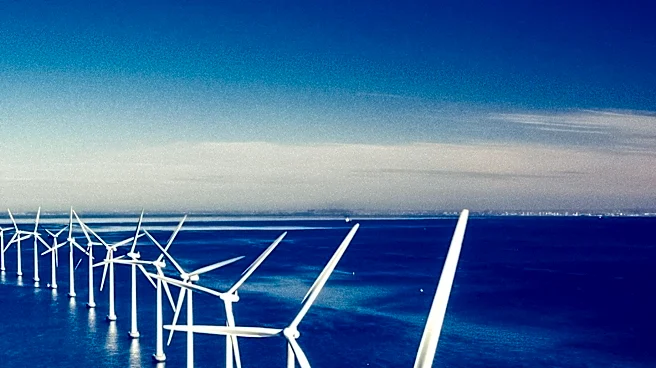
diverse stakeholders, including Tribal governments, labor unions, environmental groups, community advocates, researchers, and port authorities. Participants exchanged ideas and engaged in workshops focused on regional collaboration, Tribal and community benefits, transmission infrastructure, and port development. A key aspect of the convening was a tour of the Humboldt Bay port area and the Samoa Peninsula, providing attendees with a firsthand look at potential sites for future offshore wind infrastructure and the communities that could be impacted. The discussions highlighted both the opportunities, such as job creation and economic growth, and challenges, including transmission needs and environmental justice concerns, associated with offshore wind development.
Why It's Important?
This convening is highly significant for the U.S. clean energy landscape, particularly for the West Coast. Offshore wind development is a critical component of the nation's strategy to transition to renewable energy and combat climate change. By bringing together diverse stakeholders from three states, the West Coast Offshore Wind Hub is laying the groundwork for a coordinated and community-centered approach to this nascent industry. Addressing challenges like transmission infrastructure, environmental justice, and meaningful Tribal engagement early on is crucial for the successful and equitable deployment of offshore wind projects. This collaborative effort can help overcome potential roadblocks, ensure that local communities benefit, and establish a sustainable model for large-scale renewable energy development that could be replicated in other regions.
What's Next?
As the West Coast Offshore Wind Hub looks toward 2027, the connections and common ground established during this convening are expected to facilitate stronger regional collaboration. The ongoing dialogue among California, Oregon, and Washington stakeholders will be essential for developing a shared vision and coordinated strategies for offshore wind. This includes continued efforts to address transmission planning, ensure equitable community benefits, and integrate Tribal perspectives into decision-making processes. The insights gained and relationships built will likely influence future policy decisions, investment in port infrastructure, and the overall trajectory of offshore wind development along the West Coast, aiming for a more responsible and community-focused expansion of clean energy.
Beyond the Headlines
The emphasis on building relationships and fostering a 'community-centered approach' in offshore wind development goes beyond typical infrastructure planning. It reflects a growing awareness of the social and environmental impacts of large-scale energy projects and the importance of inclusive decision-making. The involvement of Tribal governments, labor unions, and environmental organizations signals a shift towards a more holistic development model that considers not only economic and energy goals but also social equity and ecological preservation. This collaborative framework could serve as a precedent for other major infrastructure projects, highlighting the long-term benefits of early engagement and shared ownership in shaping the future of energy and regional development.