



What's Happening?
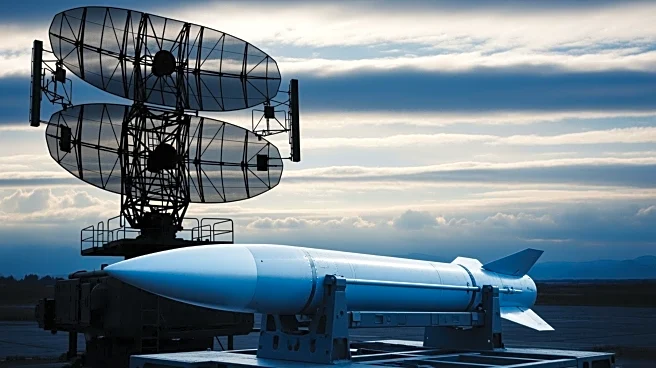
China's foreign minister, Wang Yi, has condemned a significant U.S. arms sale to Taiwan, coinciding with China's military exercises around the island. The arms package, valued at over $11 billion, includes missiles, drones, and artillery systems. This
sale represents the largest U.S. arms deal with Taiwan to date. In response, China has conducted two days of military drills near Taiwan, which it claims as its own territory. These exercises are also seen as a reaction to recent comments by Japan's Prime Minister Sanae Takaichi, suggesting possible Japanese military intervention over Taiwan. Wang Yi criticized both the pro-independence forces in Taiwan and Japan's leadership, reiterating China's goal of 'complete reunification' with Taiwan.
Why It's Important?
The U.S. arms sale to Taiwan and China's subsequent military drills highlight escalating tensions in the region. The sale underscores the U.S.'s commitment to Taiwan's defense, as mandated by U.S. law, and reflects ongoing geopolitical friction between the U.S. and China. This development could strain U.S.-China relations further and impact regional stability. Taiwan's strategic position and its democratic governance make it a focal point in U.S.-China relations, with potential implications for international trade and security. The situation also affects Japan, which has historical and strategic interests in the region, potentially leading to a more assertive Japanese defense posture.
What's Next?
China's military exercises and diplomatic rhetoric suggest a continued hardline stance on Taiwan. The U.S. is likely to maintain its support for Taiwan, potentially leading to further arms sales and military cooperation. Japan's involvement could also increase, especially if regional tensions escalate. The international community will be watching closely for any shifts in policy or military posture from the involved parties. Diplomatic efforts may intensify to prevent further escalation, with potential involvement from other regional powers and international organizations.
Beyond the Headlines
The situation reflects broader geopolitical dynamics, including China's growing influence and its challenge to the existing international order. The arms sale and military drills could influence global perceptions of U.S. and Chinese power, affecting alliances and economic partnerships. The issue also raises questions about the future of Taiwan's autonomy and the potential for conflict in the Asia-Pacific region. Long-term, this could lead to shifts in global trade routes and security alliances, impacting economic and political stability worldwide.