

What's Happening?
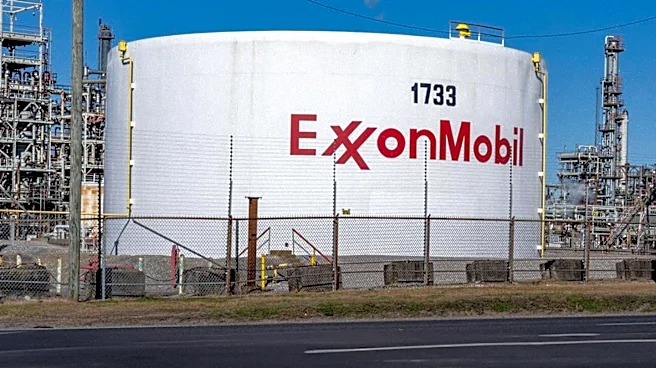
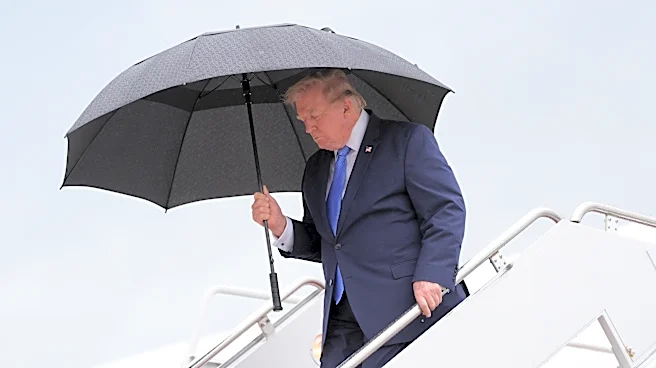
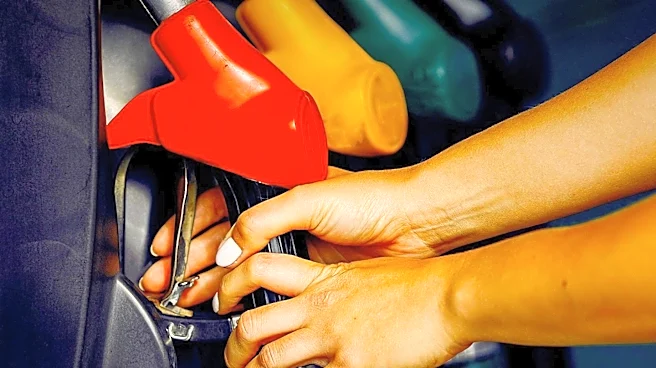
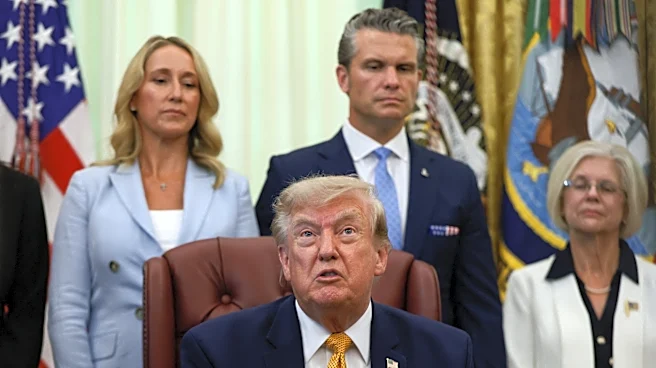
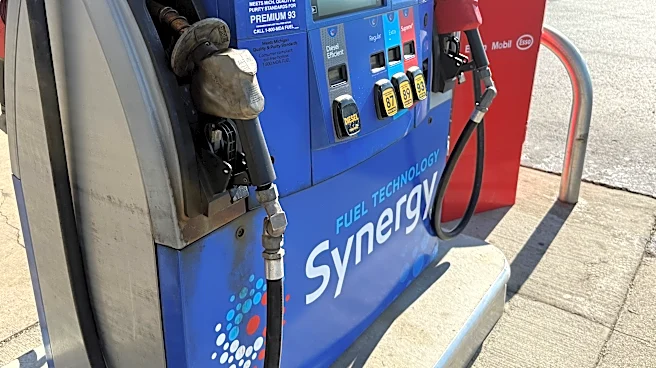
The White House is contemplating an extension of the Jones Act waiver to help reduce gasoline prices, as President Trump intensifies his criticism of major oil companies like Exxon Mobil and Chevron for their high profits. The Jones Act mandates that
cargo transported between U.S. ports must be carried on American-built and crewed ships. The waiver, which is set to expire on August 16, has been in place for over four months and is the longest in the program's history. It aims to alleviate shipping bottlenecks and increase flexibility in fuel transportation. The administration is in discussions with maritime industry representatives and lawmakers to potentially narrow the waiver's scope while maintaining its benefits. Critics, including key Republican lawmakers, argue that the waiver could weaken the domestic maritime industry and national security.
Why It's Important?
The potential extension of the Jones Act waiver is significant as it directly impacts the U.S. maritime industry and national security. By allowing foreign ships to transport goods between U.S. ports, the waiver could undermine the domestic shipping industry, which is crucial for national security. The decision also reflects the administration's efforts to address rising gasoline prices, which are a major concern for consumers and could influence the upcoming midterm elections. The waiver's extension could provide temporary relief in fuel prices, but it also raises concerns about long-term implications for the U.S. maritime sector and its workers.
What's Next?
If the waiver is extended, it may include restrictions to address concerns from lawmakers and industry representatives. The administration is likely to continue discussions to find a balance between reducing fuel prices and protecting the domestic maritime industry. The outcome of these discussions could influence future policy decisions related to energy and transportation. Additionally, the administration's approach to managing fuel prices will be closely watched as it could impact voter sentiment in the upcoming elections.