







What's Happening?
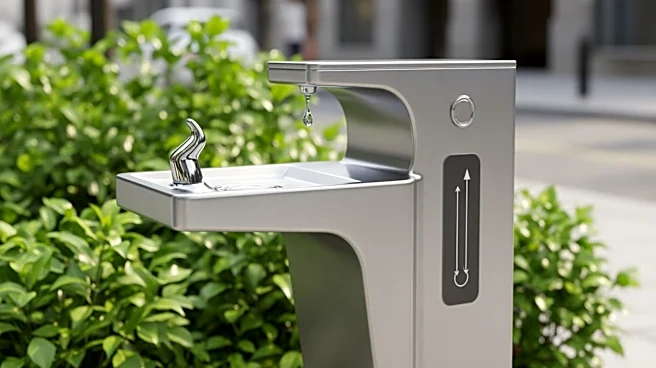
Destination Greater Victoria (DGV) has announced the expansion of its Tap Into Local program, which aims to reduce single-use plastic water bottles by installing water bottle refill stations across the region. As of April 8, 18 refill stations have been
installed or are underway at hotels and partner locations in Greater Victoria. The initiative encourages visitors and residents to use reusable water bottles and refill them with clean, safe tap water. The program is funded through the CleanBC Plastics Action Fund and aligns with DGV's commitment to responsible destination management and reducing tourism's environmental footprint. Local tour operator, The Pedaler Cycling Tours and Rentals, will incorporate reusable water bottles into guided tours, offering a practical alternative to single-use plastics.
Why It's Important?
The expansion of water bottle refill stations in Greater Victoria is a significant step towards reducing plastic waste and promoting sustainable tourism practices. By diverting up to 150,000 plastic bottles annually, the initiative supports environmental conservation efforts and showcases the region's commitment to sustainability. This program not only benefits the environment but also enhances the visitor experience by providing easy access to clean drinking water. It demonstrates how collaboration within the tourism community can lead to meaningful actions that support responsible travel choices. The initiative also highlights the importance of reducing the environmental footprint of tourism, which is crucial for preserving natural resources and maintaining the region's appeal as a travel destination.
What's Next?
As the Tap Into Local program progresses, Destination Greater Victoria plans to measure the environmental impact of the initiative by tracking the number of single-use plastic bottles avoided. This data will help assess the program's effectiveness and guide future sustainability efforts. The success of this initiative may encourage other regions to adopt similar practices, further reducing plastic waste on a larger scale. Additionally, the program's expansion could lead to increased partnerships with local businesses and municipalities, fostering a community-wide commitment to sustainability. Continued collaboration and innovation in sustainable tourism practices will be essential for achieving long-term environmental goals.