
What's Happening?
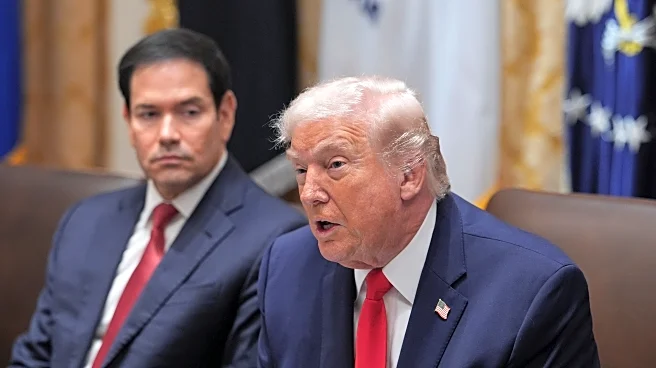
President Trump's administration is facing significant opposition from state and local officials regarding its plan to expand immigrant detention facilities across the United States. The administration has
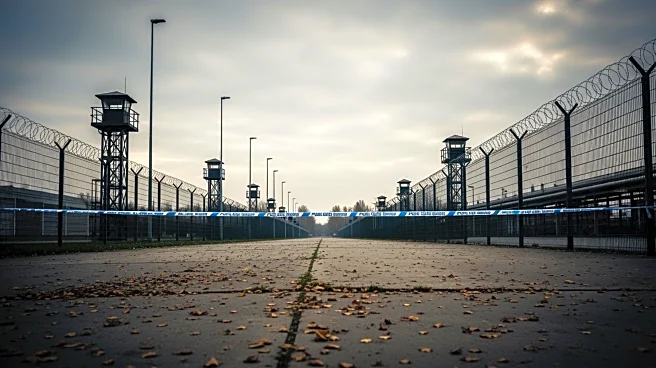
allocated $45 billion for this expansion, which involves converting warehouses, privately run facilities, and county jails into detention sites. This initiative is part of a broader federal immigration enforcement strategy. The expansion has led to increased scrutiny, especially following fatal incidents during immigration enforcement actions. In response, communities in various states, including Kansas City, Missouri, and Oklahoma City, have taken steps to block or discourage the establishment of these facilities. Local governments are exploring legal avenues to prevent the use of their properties for federal detention purposes, although they face limitations due to federal immunity from local regulations.
Why It's Important?
The expansion of immigrant detention facilities under President Trump's administration has significant implications for U.S. immigration policy and local communities. The initiative is part of a broader federal strategy to increase immigration enforcement, which has been a contentious issue. The pushback from local governments highlights the tension between federal and local authorities over immigration policies. Communities are concerned about the social and economic impacts of hosting large detention facilities, including potential strain on local resources and public safety concerns. The expansion also raises ethical and legal questions about the treatment of immigrants and the role of private companies in managing detention centers. The outcome of this conflict could influence future immigration policies and the balance of power between federal and local governments.
What's Next?
As the Trump administration continues to pursue its expansion plans, local governments are likely to intensify their efforts to block or regulate the establishment of new detention facilities. Legal challenges may arise as communities seek to assert their authority over land use and zoning regulations. The situation could lead to further legislative actions at the state level, with some states already considering bills to limit or prohibit the establishment of ICE facilities. The ongoing legal and political battles will likely shape the future of immigration enforcement in the U.S. and could set precedents for how federal and local powers interact in this domain.
Beyond the Headlines
The expansion of detention facilities underlines broader issues related to immigration policy in the U.S., including the ethical treatment of detainees and the role of private companies in the immigration system. The reliance on private facilities raises questions about accountability and oversight, as well as the potential for profit-driven motives to influence detention practices. Additionally, the expansion reflects the administration's prioritization of immigration enforcement, which has been a polarizing topic in American politics. The developments could have long-term implications for the U.S.'s approach to immigration and its relationship with immigrant communities.