


What's Happening?
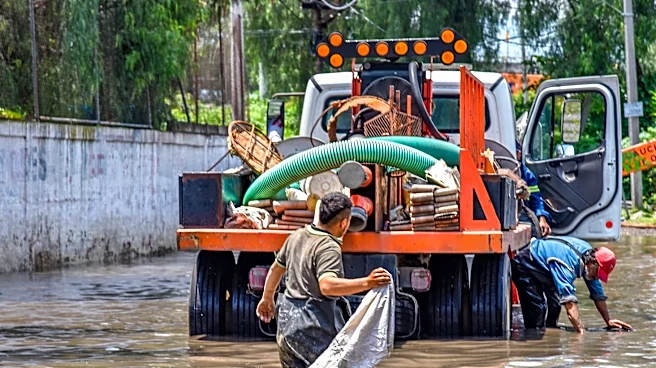
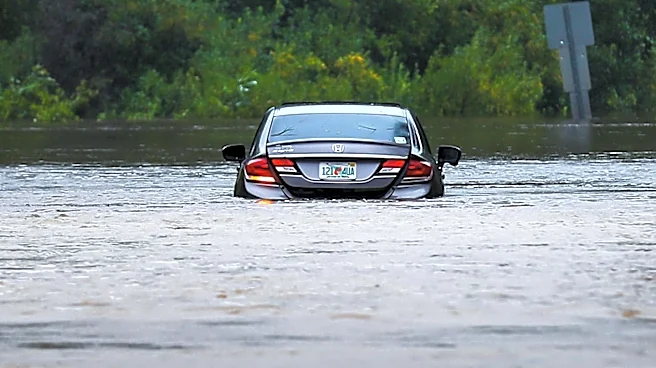
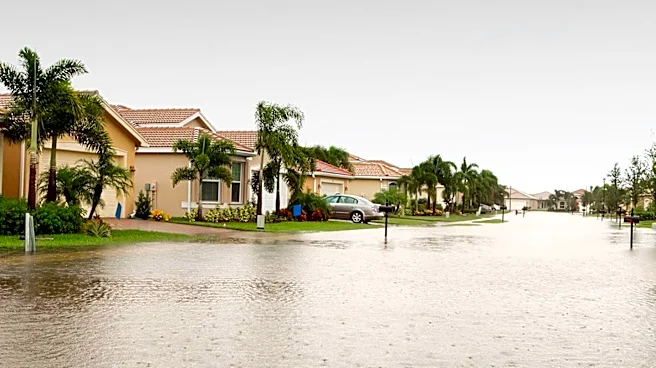
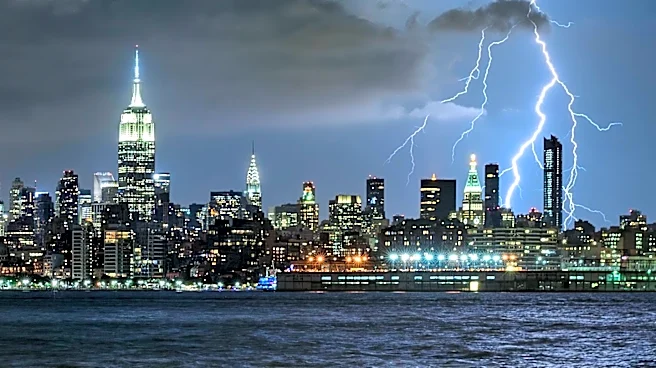
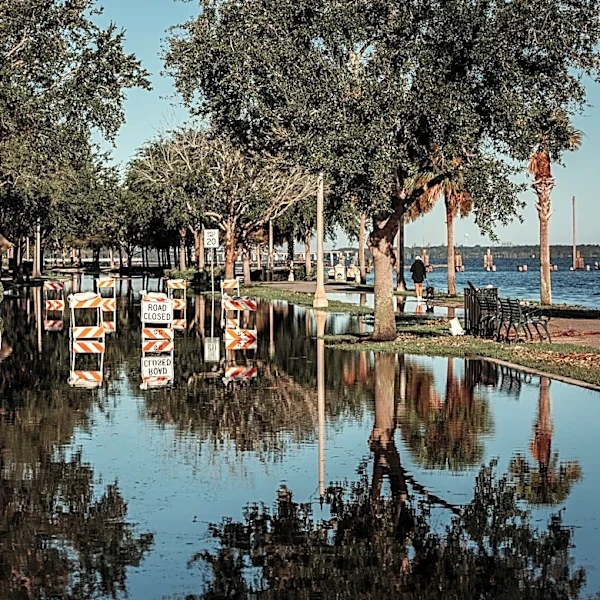
New York City is experiencing a rise in extreme precipitation events known as cloudbursts, which are overwhelming the city's storm-and-sewer systems. These events, characterized by intense rainfall over short periods, have become more frequent due to a warmer
atmosphere holding more water. The city's infrastructure, designed for a different climate, struggles to manage these deluges, leading to flash floods and significant damage. Recent incidents, including a catastrophic event in October 2025, have prompted the city to explore 'sponge city' interventions to better manage stormwater and enhance urban resilience.
Why It's Important?
The increasing frequency of cloudburst events in New York City highlights the urgent need for infrastructure adaptation to climate change. The city's current systems are inadequate for handling the volume and intensity of modern rainfall, posing risks to public safety, property, and the economy. The exploration of sponge city strategies represents a shift towards more sustainable urban planning, aiming to mitigate flood risks while enhancing social infrastructure. This approach could serve as a model for other cities facing similar challenges, emphasizing the importance of integrating climate resilience into urban development.
What's Next?
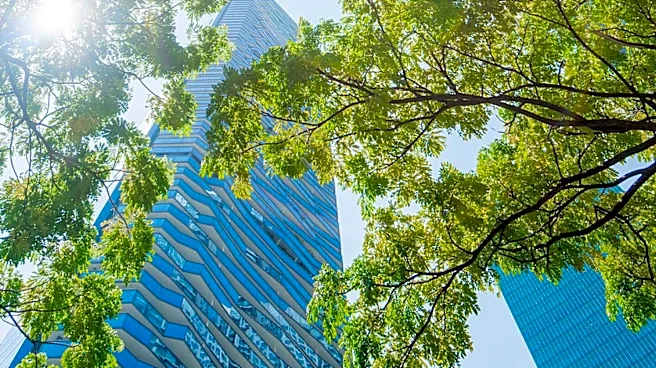
New York City will likely continue to implement and refine sponge city strategies, focusing on enhancing green spaces and improving stormwater management. The city may seek additional funding and support from federal and state governments to accelerate these efforts. Public awareness and community engagement will be crucial in adapting to these changes and ensuring the safety and well-being of residents. The success of these initiatives could influence urban planning and climate adaptation strategies in other metropolitan areas.