




What's Happening?
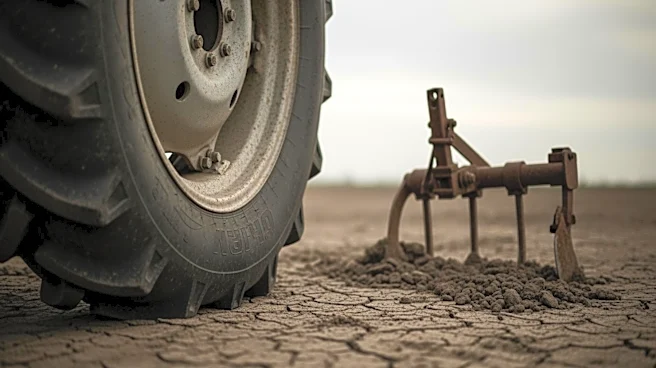
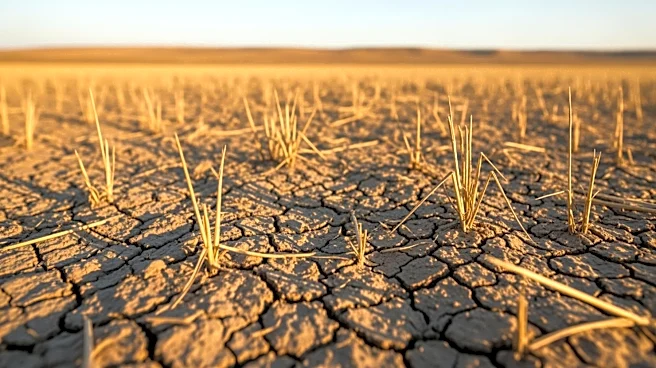
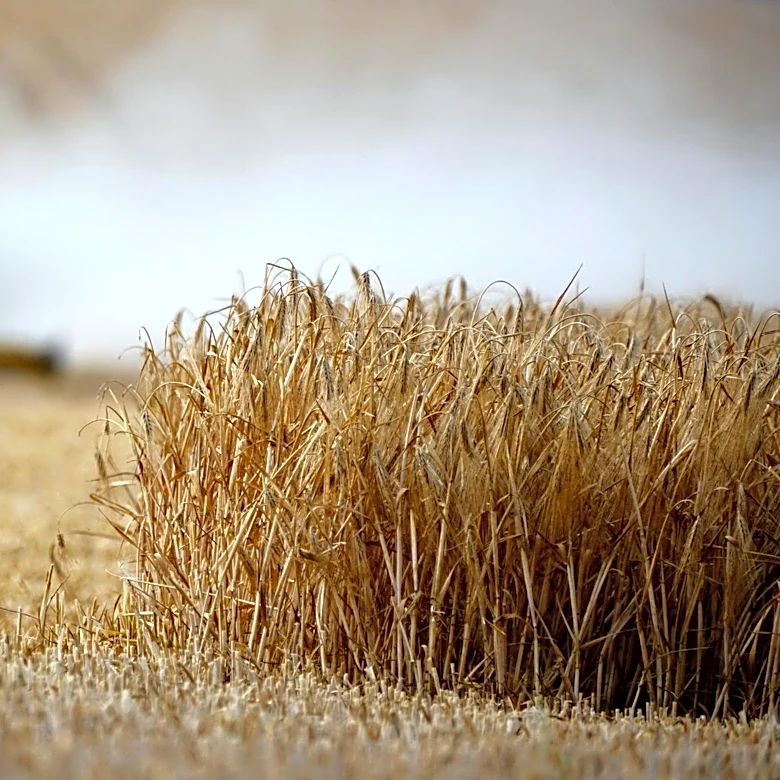
The U.S. Department of Agriculture has forecasted that the wheat harvest in 2026 will be the lowest in more than half a century. This prediction is attributed to drier conditions and rising input costs, which have significantly impacted wheat farmers
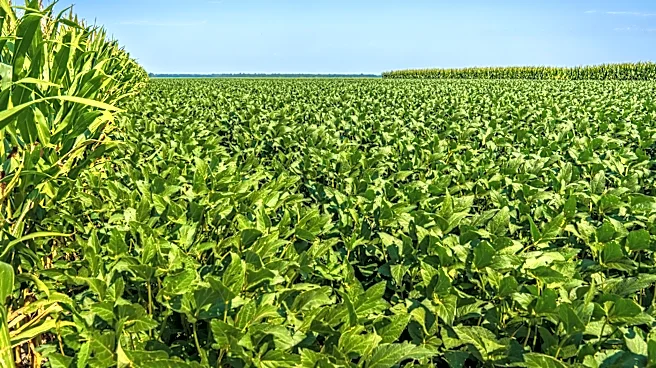
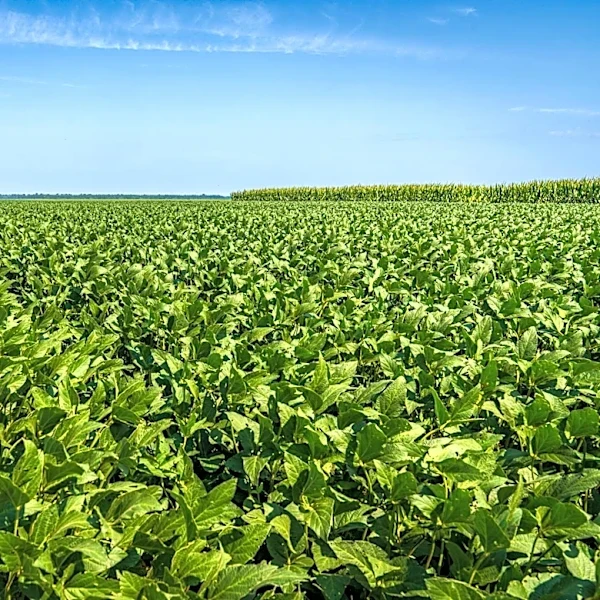
across the country. Dr. Tina Sullivan, an agronomist at Kansas State, highlighted that the lack of sufficient rainfall has left farmers with inadequate water for grain fill, forcing some, like Jon Kerschen from Garden Plain, to harvest earlier than usual. The economic viability of wheat is also being challenged by increasing costs of inputs such as fertilizer and fuel, leading farmers to reconsider their crop rotations in favor of more profitable crops like corn and soybeans.
Why It's Important?
This development is significant as it underscores the challenges faced by the agricultural sector due to climate variability and economic pressures. The anticipated low wheat yield could have broader implications for food supply and prices, potentially affecting both domestic and international markets. Farmers are compelled to adapt their practices, which may lead to a shift in agricultural production patterns. The economic strain on farmers could also impact rural economies and the agricultural supply chain, highlighting the need for adaptive strategies and support for the farming community.
What's Next?
Farmers may continue to adjust their crop strategies, potentially reducing wheat acreage in favor of more resilient and profitable crops. This shift could influence market dynamics and pricing structures in the agricultural sector. Policymakers and agricultural organizations might need to explore support mechanisms for farmers to mitigate the impacts of climate change and economic pressures. Additionally, research into drought-resistant crop varieties and sustainable farming practices could become increasingly important.