





What's Happening?
The Cook Political Report has reclassified two key U.S. Senate races, moving them from 'lean Republican' to 'toss-up' status. This shift provides a boost to Democrats in their efforts to gain control of the Senate. The races affected are in Texas and
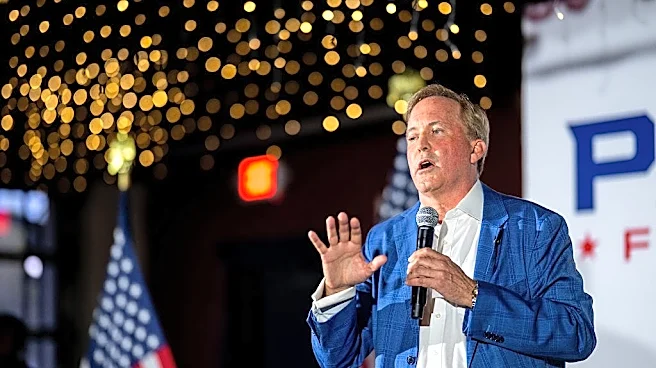
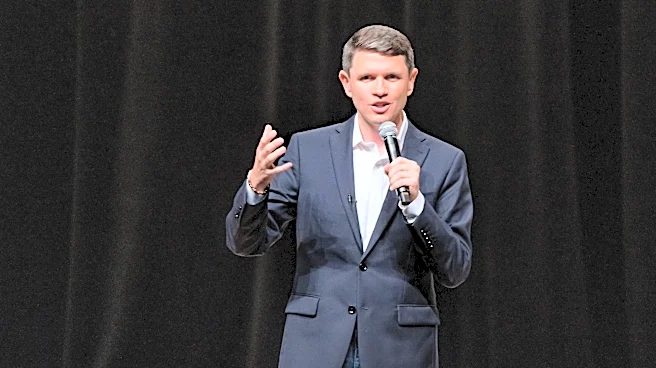
Iowa. In Texas, Democrat James Talarico is challenging Republican Ken Paxton for the seat being vacated by GOP Senator John Cornyn. In Iowa, Democratic state lawmaker Josh Turek is running against Republican Representative Ashley Hinson for the seat currently held by outgoing GOP Senator Joni Ernst. According to Axios, Democrats need to flip four seats to secure control of the Senate, and these reclassifications suggest new pathways for them to achieve this goal, particularly in states that have traditionally leaned Republican. Jessica Taylor of the Cook Political Report noted on CNN that Democrats now have "multiple paths" to win the Senate.
Why It's Important?
This reclassification by the Cook Political Report is highly significant for the upcoming U.S. Senate elections, as it indicates a tightening of the political landscape and potentially increased competitiveness in races previously considered safer for Republicans. For Democrats, this news is encouraging because it suggests that their strategy to contest seats in traditionally red states might be gaining traction, offering them more avenues to achieve the four-seat gain needed for Senate control. A Democratic victory in Texas, for instance, would be particularly monumental, as no Democrat has won a statewide race in Texas in over three decades. This shift could lead to increased campaign spending and national attention on these races, as both parties will likely intensify their efforts to secure these now-contested seats. The outcome of these races could profoundly impact the balance of power in the Senate, influencing legislative agendas, judicial appointments, and the overall direction of U.S. policy.
What's Next?
The reclassification of these Senate races to 'toss-up' status will likely trigger an intensification of campaign activities and resource allocation from both Democratic and Republican national committees. We can expect to see increased advertising, more frequent candidate appearances, and a greater focus on voter mobilization efforts in Texas and Iowa. National political organizations and super PACs will likely pour more money into these states, recognizing their pivotal role in determining Senate control. Candidates James Talarico, Ken Paxton, Josh Turek, and Ashley Hinson will face heightened scrutiny and pressure as the races draw more national attention. The Cook Political Report's assessment will also influence how political analysts and media outlets cover these elections, potentially leading to more in-depth reporting on the dynamics and issues at play in these specific contests. The coming months will be crucial as both parties vie for every vote in these newly competitive battlegrounds.
Beyond the Headlines
The shift in these Senate race ratings reflects deeper underlying political currents and demographic changes within traditionally conservative states. The increased competitiveness in Texas and Iowa could signal a broader realignment of voter preferences or a growing dissatisfaction with the status quo, even in regions historically reliable for one party. This development might encourage both parties to re-evaluate their campaign strategies and messaging, potentially leading to more moderate or broadly appealing platforms to capture swing voters. Furthermore, the success or failure of Democrats in these 'toss-up' races will provide valuable insights into the effectiveness of their outreach efforts in diverse and changing electorates. For the Republican Party, these shifts could prompt introspection about their appeal in evolving political landscapes and the need to adapt to changing voter demographics. Ultimately, the outcomes of these races could serve as bellwethers for future electoral trends across the U.S., indicating shifts in national political sentiment.