




What's Happening?
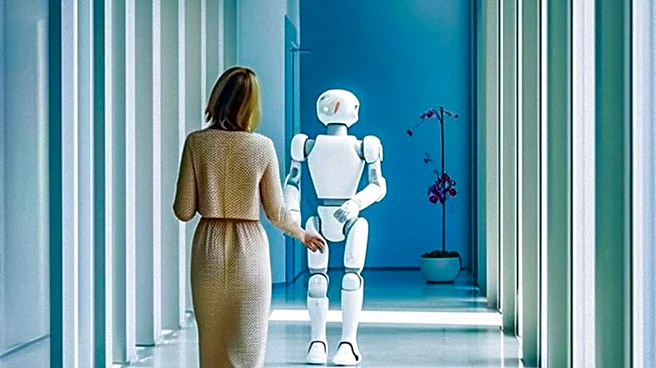
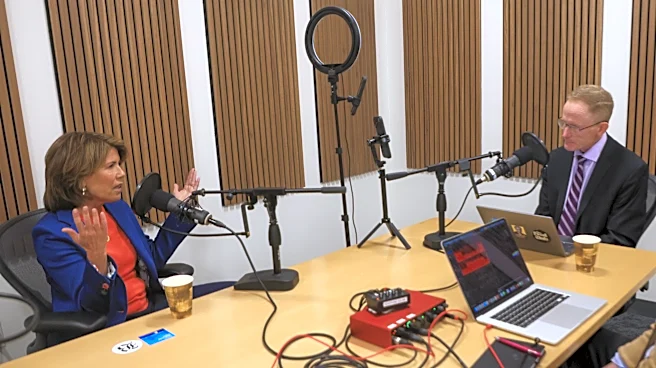
NPR has launched a new podcast titled 'Machine Gods,' hosted by Kevin Roose and Casey Newton, focusing on the transformative impact of artificial intelligence on daily life. The podcast debuted with a video-first distribution model on YouTube, alongside
availability on major audio platforms, reflecting NPR's new audience-first content strategy. Nadine Zylstra, NPR's CCO, emphasized the network's commitment to engaging listeners where they are, noting the growing popularity of video podcasts on platforms like YouTube for content discovery. 'Machine Gods' aims to provide a journalistic perspective on AI, covering topics from its economic implications to its influence on global power dynamics, in an informative and engaging manner. The show has already attracted new sponsors for NPR and has become a popular tech podcast on Apple charts. NPR plans to offer an hour-long version to its member stations starting in January.
Why It's Important?
The launch of 'Machine Gods' signifies a strategic shift for NPR towards an audience-first and video-first approach, adapting to evolving media consumption habits in the U.S. This move is crucial for public media to remain relevant and competitive in a rapidly changing digital landscape, particularly as younger audiences increasingly turn to video platforms for content. By embracing a YouTube-first model, NPR aims to expand its reach beyond traditional public radio listeners and attract new demographics interested in technology and AI. The podcast's focus on artificial intelligence addresses a highly relevant and impactful topic, positioning NPR as a key source for understanding complex technological advancements. This strategy could serve as a blueprint for other public media organizations looking to innovate their content delivery and audience engagement methods, potentially influencing future programming and distribution models across the sector.
What's Next?
NPR's 'Machine Gods' podcast is set to be offered to member stations as an hour-long show starting in January, which will further integrate the program into the public radio ecosystem. This wider distribution could increase its listenership and impact across the U.S. NPR also plans to support stations in leveraging 'Machine Gods' in their communities, including holding live events, to foster conversations around AI. This initiative suggests a continued focus on community engagement and educational outreach, core tenets of public media. The success of this video-first, audience-centric approach with 'Machine Gods' will likely inform NPR's future content development and distribution strategies, potentially leading to more video-centric podcasts and collaborations with external talent. The network's willingness to grant editorial control to hosts like Roose and Newton also indicates a potential trend towards more creator-driven content within public media.
Beyond the Headlines
The 'Machine Gods' podcast and NPR's strategy reflect a broader challenge facing traditional media: how to adapt to digital consumption patterns while maintaining journalistic integrity and public service values. By making the podcast freely available and prioritizing platforms like YouTube, NPR is directly addressing the trend of media retreating behind paywalls, aiming to reach a wider audience that might not proactively subscribe to specialized content. This approach has ethical implications regarding accessibility of information, especially on complex topics like AI, ensuring that critical discussions are not limited to those who can afford subscriptions. Furthermore, the collaboration with established tech journalists like Roose and Newton, while granting them editorial control, highlights a model where public media can attract top talent by offering creative freedom and a broad platform, potentially setting a new standard for partnerships in the industry.