





What's Happening?
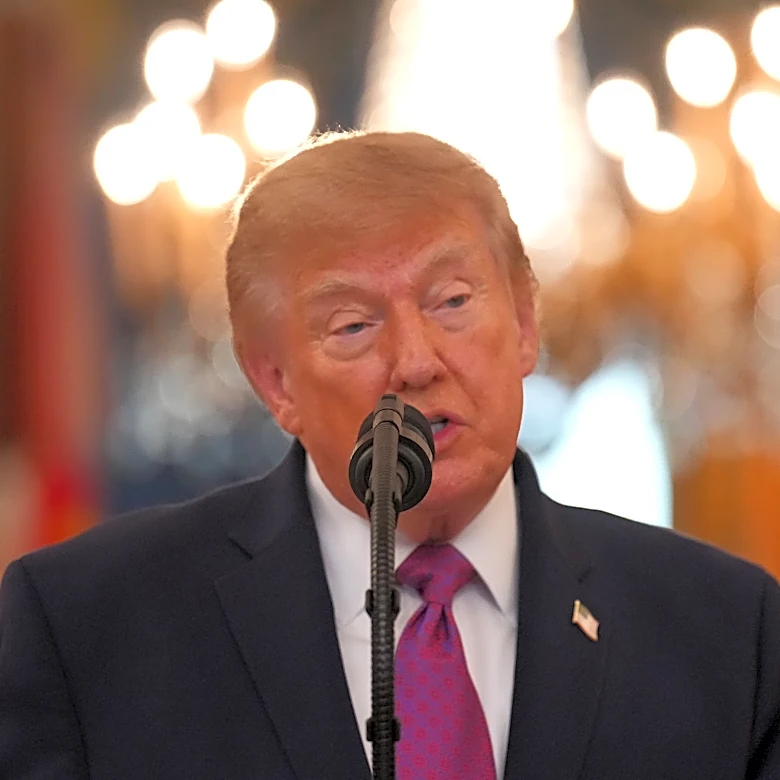
President Trump signed Executive Order “Accelerating Access to Veterans’ Benefits and Employment Opportunities” on September 8, directing the Secretaries of Defense and Veterans Affairs to modernize the sharing of military personnel files and treatment
records. This order mandates the establishment of updated information technology systems, policy guidance, and memoranda for the permanent and ongoing transfer of Official Military Personnel Files and Service Treatment Records between the two departments. Specifically, the Department of Defense is required to ensure that current service members' official personnel files, health records, and Service Treatment Records are shared with the VA immediately upon discharge or release from the armed forces, and within 30 days of the order for existing records. The executive order also calls for separating service members to be connected with appropriate veterans' representatives to facilitate applications for healthcare, disability, home loan, job placement, or education benefits. Furthermore, the order gives the departments 180 days to develop and deploy digital tools, including artificial intelligence, to streamline veterans' access to benefits and job training programs offered by the Department of Labor.
Why It's Important?
This executive order is crucial for improving the transition of service members to civilian life by addressing long-standing issues with data sharing and access to benefits. The modernization of record transfer between the Department of Defense and the Department of Veterans Affairs is expected to significantly reduce administrative burdens and delays that veterans often face when applying for earned benefits. By ensuring immediate and comprehensive sharing of personnel and health records, the order aims to provide veterans with quicker access to healthcare, disability services, housing assistance, and employment opportunities. The integration of artificial intelligence and other digital tools is poised to streamline application processes, making it easier for veterans to navigate complex systems. This initiative also seeks to enhance the Transition Assistance Program and other workforce programs, ensuring that separating service members are either connected with specific job opportunities or enrolled in relevant education and training programs. Ultimately, this order has the potential to profoundly impact the well-being and economic stability of veterans and their families, ensuring they receive the support they have earned more efficiently.
What's Next?
The Department of Defense and the Department of Veterans Affairs have 180 days from the executive order's signing to create and deploy digital tools utilizing artificial intelligence and other emerging capabilities. This timeframe also applies to updating the Transition Assistance Program and other workforce programs in consultation with the Labor and Veterans Affairs departments. The goal is to ensure that every service member leaving active military service is connected with specific job opportunities or enrolled in qualifying education, training, or apprenticeship programs. Additionally, the order requires the Department of Defense to ensure that current service members’ official personnel files, health records, and Service Treatment Records are shared with the VA immediately when a service member is discharged or released from the armed forces, and within 30 days of the order and at all times thereafter. The effectiveness of these measures will depend on the timely and efficient implementation by the involved departments, with ongoing monitoring likely to ensure compliance and address any emerging challenges in the modernization process.
Beyond the Headlines
Beyond the immediate administrative improvements, this executive order highlights a broader commitment to leveraging technology, specifically AI, to enhance government services for veterans. The directive to use AI for streamlining applications and access to benefits could set a precedent for other federal agencies seeking to improve efficiency and user experience. This initiative also underscores the critical importance of seamless data interoperability between large government organizations, a challenge that has historically plagued efforts to provide comprehensive support to veterans. The focus on connecting separating service members directly with employment and training opportunities reflects a recognition of the economic challenges many veterans face, aiming to bridge the gap between military service and civilian careers. Furthermore, the order implicitly acknowledges the role of military spouses and families, as the improved access to benefits and employment opportunities for veterans will indirectly alleviate some of the pressures on their support networks. This holistic approach aims to create a more supportive ecosystem for those who have served, addressing not just their immediate needs but also their long-term integration into civilian society.