







What's Happening?
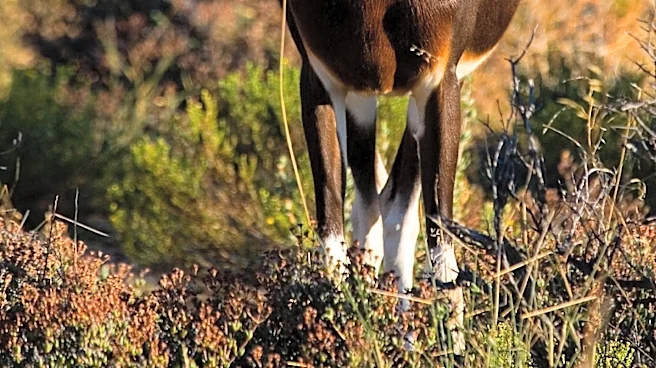
New research from the University of Illinois indicates that gemsbok, an African antelope species, could significantly expand its range across the American West. Originally introduced to the Albuquerque Zoo in the 1960s and later released into southern
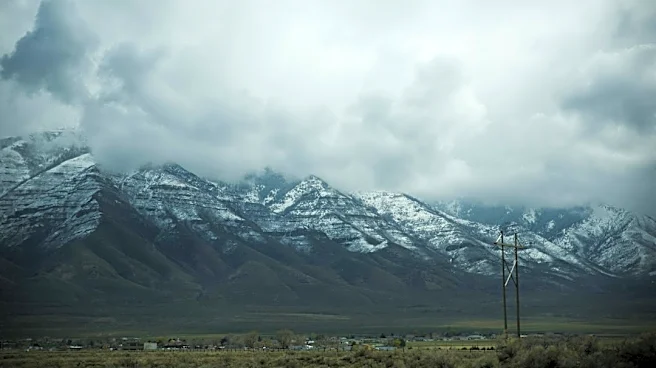
New Mexico for hunting, these animals are known for their long horns and ability to thrive in arid conditions. They have already spread throughout southern New Mexico. The study suggests that warmer winter temperatures, a consequence of climate change, could make parts of Arizona, Utah, and southern Nevada suitable habitats for gemsbok. The potential expansion could even reach as far north as Colorado, Wyoming, Idaho, and Montana. Nathan Alexander, who led the study, noted that warming winters allow gemsbok to persist in areas where they historically could not. While gemsbok are well-adapted to dry environments, their potential spread raises concerns about their impact on native ecosystems and wildlife.
Why It's Important?
The potential expansion of gemsbok across the Western U.S. carries significant ecological implications. As a non-native species, their increased presence could exert additional pressure on native wildlife already struggling with a changing climate. In New Mexico, gemsbok have already caused damage to native vegetation, leading the National Park Service to construct fencing to protect White Sands National Park. There are also concerns about competition for resources with native animals, such as pronghorn, as previous research has shown considerable overlap in their diets. This situation highlights how climate change can alter wildlife habitats, potentially favoring some non-native species while further challenging the survival of indigenous ones. The long-term ecological balance of the Western U.S. could be significantly impacted, affecting biodiversity and the health of natural landscapes.
What's Next?
While the research identifies potential new habitats, the actual spread of gemsbok remains uncertain. Natural barriers like mountains and human-made obstacles such as highways could impede their migration. Some areas already possess suitable habitats but have not yet seen gemsbok populations establish. Therefore, predicting the exact timeline or certainty of gemsbok establishing populations in other Western states is difficult. However, the findings underscore the need for ongoing monitoring and management strategies for non-native species in the face of climate change. Conservation efforts may need to adapt to these shifting ecological dynamics, potentially including measures to mitigate the impact of expanding non-native species on vulnerable native wildlife and ecosystems.
Beyond the Headlines
This study delves into the complex interplay between climate change, species introduction, and ecosystem dynamics. The case of the gemsbok illustrates a broader challenge: how human actions, both intentional (introducing species for hunting) and unintentional (contributing to climate change), can lead to unforeseen ecological consequences. The ethical dimension of managing introduced species, especially when they begin to outcompete native flora and fauna, becomes prominent. It also highlights the interconnectedness of global climate patterns and local ecological systems, demonstrating that climate change impacts are not confined to temperature shifts but extend to fundamental alterations in biodiversity and natural resource availability. The long-term implications could include shifts in regional hunting practices, land management policies, and conservation priorities across the Western U.S.