








What's Happening?
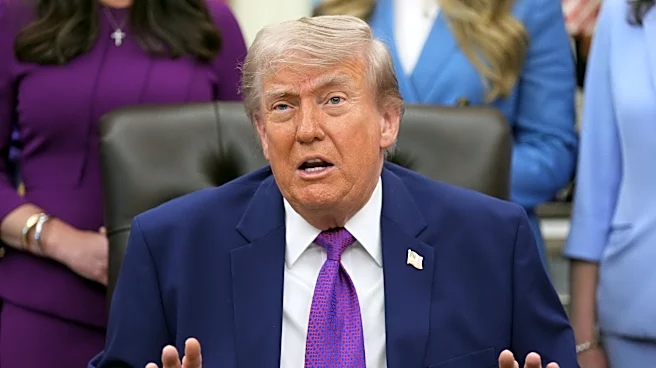
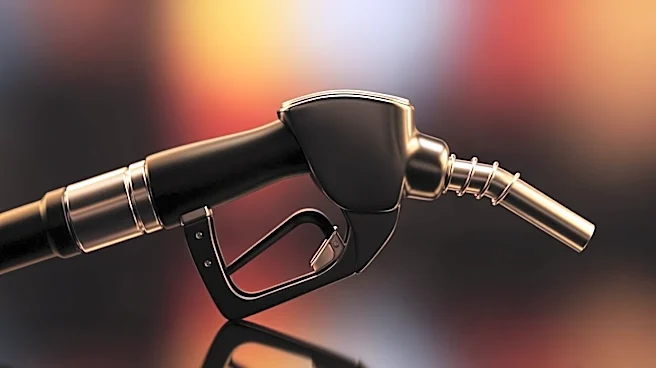
President Trump has proposed a gas tax holiday as a measure to alleviate the financial burden on consumers amidst rising fuel costs, which have been exacerbated by the ongoing conflict with Iran. The proposal aims to temporarily suspend the federal gas tax,
providing immediate relief to drivers facing higher prices at the pump. Patrick De Haan, head of petroleum analysis at GasBuddy, has discussed the potential impacts of this policy, highlighting both the benefits and challenges associated with its implementation.
Why It's Important?
The proposed gas tax holiday is significant as it directly addresses the economic pressures faced by American consumers due to rising fuel prices. By suspending the federal gas tax, the government aims to reduce the cost of gasoline, thereby increasing disposable income for households. However, this policy could also have implications for federal revenue, which is used to fund infrastructure projects. The decision to implement such a measure reflects the administration's priorities in balancing economic relief with fiscal responsibility.
What's Next?
If the gas tax holiday is approved, it will require coordination between federal and state governments to ensure effective implementation. The policy's impact on fuel prices and consumer behavior will be closely monitored, and adjustments may be necessary based on economic conditions. Additionally, the proposal may face political opposition, with debates likely to focus on its long-term economic implications and potential effects on infrastructure funding.