





What's Happening?
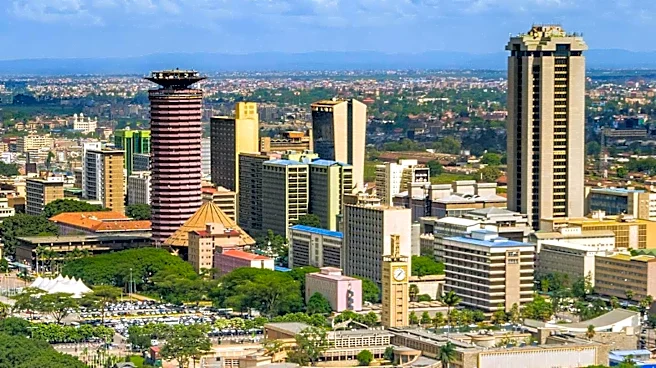
Kenya's Ministry of Health has issued a warning regarding a heightened risk of waterborne diseases, including cholera, as the country anticipates increased rainfall due to the El Niño weather phenomenon. Principal Secretary for Health and Professional
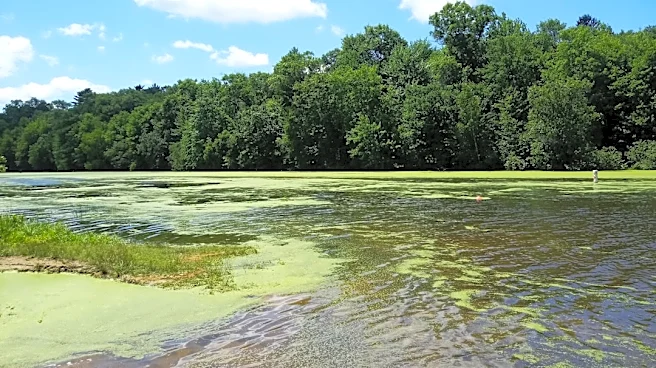
Standards, Mary Muthoni, stated that heavy rains could lead to a surge in cases of cholera, typhoid, dysentery, and other diarrheal diseases, particularly in urban areas and informal settlements where sanitation and access to clean water are already challenging. Muthoni urged county governments, water service providers, and residents to bolster preventive measures. These include intensifying water quality monitoring, repairing sewage leakages, safeguarding drinking water sources, and ensuring proper waste disposal to prevent contamination. Health facilities have also been directed to review their preparedness, ensuring adequate stocks of oral rehydration salts, essential medicines, and infection prevention materials, along with sufficient staffing and effective referral systems. Muthoni clarified that this advisory is a precautionary measure to strengthen surveillance and facilitate early detection, not an indication of an ongoing outbreak.
Why It's Important?
The proactive measures by the Kenyan Ministry of Health are crucial for public health, aiming to mitigate a potential crisis before it escalates. Waterborne diseases like cholera can spread rapidly, especially in densely populated areas with inadequate infrastructure, leading to significant morbidity and mortality. The emphasis on preventive actions such as water quality monitoring and proper waste disposal directly addresses the root causes of such outbreaks. This preparedness is vital for protecting vulnerable populations, including children, pregnant women, the elderly, and displaced families, who are at higher risk during periods of heavy rainfall. A widespread outbreak could strain the healthcare system, divert resources, and have broader socio-economic impacts, disrupting daily life and economic activities. By taking early steps, Kenya aims to reduce the burden on its healthcare system and prevent a public health emergency, demonstrating a commitment to safeguarding community well-being against predictable environmental threats.
What's Next?
In the immediate future, county governments and water service providers are expected to implement the directives from the Ministry of Health, focusing on improving water and sanitation infrastructure. This includes intensified water quality monitoring, prompt repair of sewage systems, and securing drinking water sources. Community Health Promoters will play a critical role in educating households on hygiene practices, such as drinking safe water, proper water storage, and regular handwashing, and will be tasked with reporting any unusual clusters of diarrheal illnesses. Health facilities will continue to review and enhance their preparedness, ensuring they are well-equipped to handle potential increases in waterborne disease cases. The national and county coordination structures will maintain continuous monitoring of the situation to support rapid responses to any emerging public health threats. The public is advised to remain vigilant and seek medical attention promptly if they develop severe diarrheal symptoms.
Beyond the Headlines
This situation highlights the broader challenges faced by many developing nations in the context of climate change and rapid urbanization. The increased frequency and intensity of extreme weather events, such as El Niño-induced heavy rains, exacerbate existing vulnerabilities in water and sanitation infrastructure. This necessitates a long-term, integrated approach to urban planning, public health, and climate adaptation. Beyond immediate responses, there is a need for sustainable investments in resilient infrastructure, improved waste management systems, and universal access to clean water. The emphasis on community-level education and early warning systems also underscores the importance of public engagement and decentralized health initiatives in building resilience against health crises. This proactive stance by Kenya could serve as a model for other regions facing similar environmental and public health challenges, emphasizing that preparedness is a continuous process requiring multi-sectoral collaboration and sustained political will.