







What's Happening?
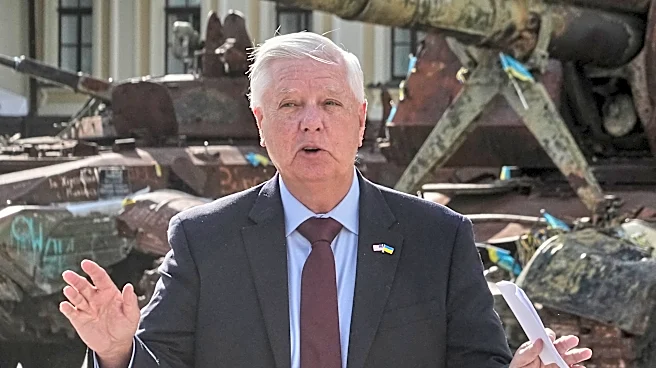
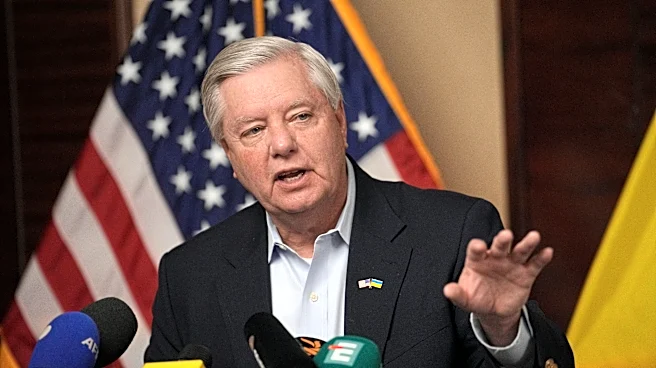
Senator Lindsey Graham, a prominent figure in U.S. politics, passed away unexpectedly from an aortic dissection. Known for his expertise in foreign policy and military matters, Graham was also a staunch supporter of the oil and gas industry. He consistently
advocated for energy independence and national security, emphasizing the importance of maximizing America's domestic energy potential. Graham opposed renewable energy transitions that could harm traditional energy sectors, arguing that fossil fuels are crucial for U.S. strength on the global stage. Recently, he played a key role in crafting legislation with the Trump administration to impose sanctions on purchasers of Russian oil and gas, aiming to weaken Russia's economic power amid its conflict with Ukraine.
Why It's Important?
Senator Graham's efforts in energy policy and sanctions have significant implications for U.S. national security and international relations. By promoting domestic energy production, Graham aimed to reduce reliance on foreign energy sources, thereby enhancing U.S. geopolitical leverage. His work on sanctions against Russian energy exports reflects a strategic approach to countering adversaries and supporting allies like Ukraine. These actions underscore the intersection of energy policy and foreign policy, highlighting the role of energy independence in national security. Graham's legacy in these areas will likely influence future legislative efforts and U.S. strategies in dealing with global energy markets and geopolitical conflicts.
What's Next?
Following Graham's passing, the future of the sanctions legislation he championed remains uncertain. However, the groundwork laid by Graham and his colleagues suggests that efforts to hold purchasers of Russian oil and gas accountable will continue. The Trump administration's involvement indicates potential executive support for these measures. As the U.S. navigates its energy policy and international relations, Graham's influence may persist in shaping discussions around energy independence and sanctions. Lawmakers and policymakers will need to address the balance between traditional energy sectors and renewable energy transitions, considering both economic and security implications.