




What's Happening?
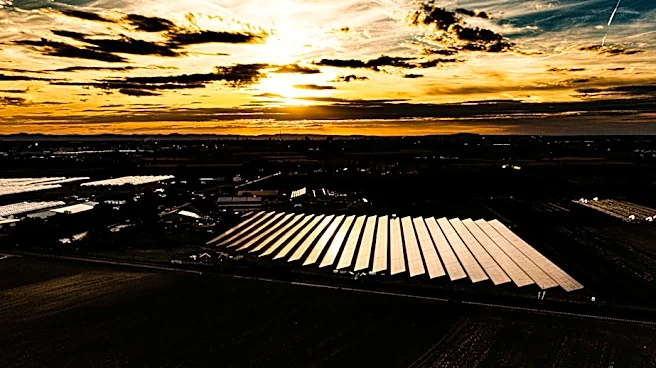
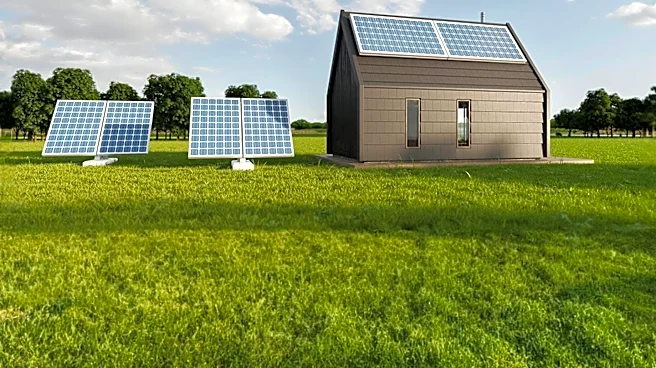
The World Bank is actively involved in funding the Somali Electricity Sector Recovery Project, which includes the design, supply, installation, testing, and commissioning of a 6MWp Solar PV Power Plant with a 10 MWh Battery Energy Storage System for Wamo
Energy Service Company (WESCO) in Kismayo City, Jubaland State, Somalia. This initiative is part of broader efforts to address energy poverty in low- and middle-income countries. The United States, as the largest shareholder of the World Bank, plays a significant role in supporting these objectives. U.S. priorities at the World Bank encompass a multilateral health and economic response to COVID-19, debt sustainability and transparency, promoting governance and fighting corruption, ending energy poverty, and emphasizing accountability, transparency, and development impact. The World Bank provides loans and grants to governments in these countries to fund capital projects, with the U.S. having been a driving force behind its founding in 1944.
Why It's Important?
The U.S.'s continued support for the World Bank and its projects, such as the Somali Electricity Sector Recovery Project, underscores its commitment to international development and stability. By investing in energy infrastructure in countries like Somalia, the U.S. helps to foster economic growth, improve living standards, and potentially reduce reliance on less sustainable energy sources. This involvement also aligns with U.S. foreign policy goals of promoting good governance and combating corruption, as these are key priorities for U.S. engagement with the World Bank. The focus on ending energy poverty can have a transformative impact on communities, enabling access to essential services and creating opportunities for development. Furthermore, the emphasis on accountability and transparency in these projects ensures that U.S. contributions are utilized effectively and responsibly, contributing to long-term positive outcomes.
What's Next?
The ongoing implementation of the Somali Electricity Sector Recovery Project will likely involve continued oversight and collaboration between the World Bank, the U.S., and local Somali authorities. Future steps will include the successful completion of the solar power plant and battery storage system, followed by their integration into the local energy grid. The project's success could serve as a model for similar initiatives in other regions facing energy poverty. The U.S. will likely continue to advocate for its priorities within the World Bank, influencing future funding decisions and project selections. This includes sustained efforts to promote debt sustainability, combat corruption, and ensure that development projects have a measurable and positive impact on the ground. The long-term goal is to build resilient and sustainable energy sectors in developing nations, reducing their vulnerability and fostering self-sufficiency.
Beyond the Headlines
Beyond the immediate benefits of increased energy access, the Somali Electricity Sector Recovery Project, backed by the U.S. and the World Bank, highlights a broader shift towards sustainable development and climate resilience in international aid. The investment in solar PV and battery storage systems reflects a recognition of the need for clean energy solutions to address both energy poverty and climate change. This approach not only provides immediate power but also builds long-term capacity for sustainable energy generation, reducing reliance on fossil fuels and mitigating environmental impact. The project also implicitly addresses the ethical dimension of development aid, ensuring that assistance is not merely a handout but an investment in self-sustaining infrastructure that empowers local communities and promotes economic independence. This strategic investment can help stabilize fragile regions by providing essential services and fostering economic opportunities, thereby contributing to broader global security.