







What's Happening?
The Hiawatha National Forest is welcoming hunters and urging them to prioritize safety and responsible land stewardship. The Forest Service highlights the critical role of responsible hunting in maintaining the long-term enjoyment of national forest lands.
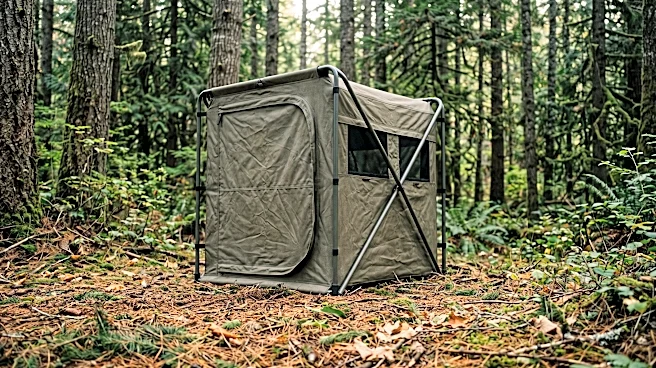
Hunters are reminded that Michigan's state hunting regulations apply within the national forest. Key guidelines include reviewing current season dates, license requirements, and safety rules for specific species. Special attention is drawn to regulations concerning the use and removal of blinds on public lands; blinds must be portable, temporary, and not attached to trees with damaging fasteners. They can be placed no earlier than September 1 and must be removed by January 1, with failure to comply potentially resulting in fines and impoundment. The Forest Service also stresses the importance of leaving the forest litter-free and fully extinguishing campfires.
Why It's Important?
The emphasis on responsible hunting practices in national forests is vital for environmental preservation and public safety. Abandoned blinds and equipment contribute to remote dumpsites, posing safety risks, causing environmental damage, and potentially leading to conflicts among hunters. Prohibitions on cross-country motorized travel and cutting vegetation for shooting lanes are crucial for preventing habitat destruction and maintaining the natural integrity of the forest. These regulations help ensure that national forest lands remain healthy and accessible for all users, not just hunters. By adhering to these rules, hunters contribute to the sustainability of wildlife populations and their habitats, which is essential for the ecological balance and the future of hunting as a recreational activity. The Forest Service's proactive communication aims to mitigate negative impacts and foster a culture of conservation.
What's Next?
Hunters planning to visit the Hiawatha National Forest are advised to consult Michigan Department of Natural Resources' hunting rules and regulations, specifically noting guidelines for blinds, tree stands, baiting, and hunting on National Forest System lands. The Forest Service encourages the public to report any illegal blinds or non-compliant activities to local Forest Service offices. This ongoing vigilance and adherence to regulations will be crucial for maintaining the ecological health and recreational value of the Hiawatha National Forest. Continued education and enforcement efforts will likely be implemented to ensure compliance and promote responsible hunting behavior among all visitors to national forest lands.
Beyond the Headlines
The Hiawatha National Forest's guidelines reflect a broader national effort to balance recreational use with conservation mandates on public lands. The increasing pressure on natural resources from various user groups, including hunters, necessitates clear and enforced regulations to prevent degradation. This situation also highlights the evolving relationship between state and federal land management, where state hunting laws are applied within federal territories, requiring seamless coordination and communication. The call for public reporting of illegal activities underscores a community-based approach to conservation, where all users are encouraged to be stewards of the land. This collaborative model is essential for addressing challenges like waste management, habitat protection, and ensuring equitable access to public resources for future generations.