





What's Happening?
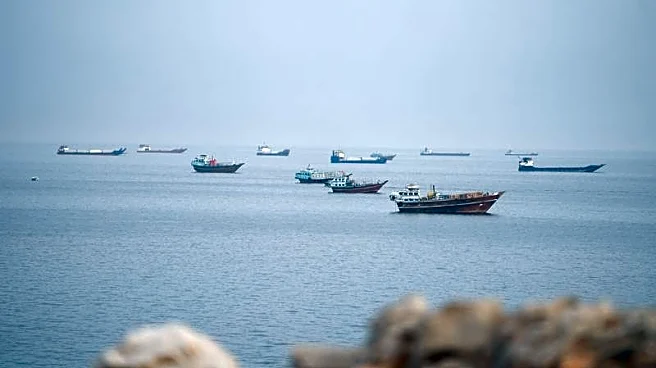
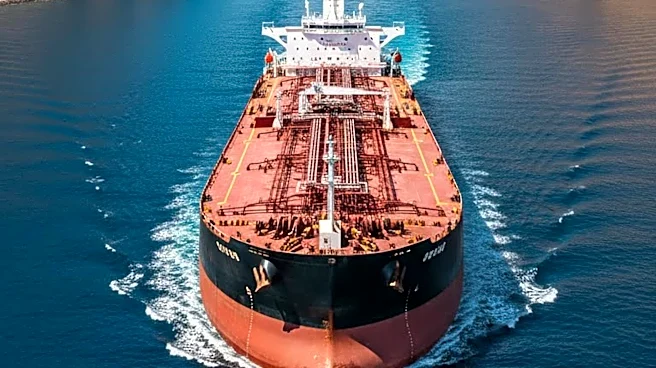
The ongoing crisis in the Strait of Hormuz underscores the critical link between geopolitical security and global economic stability. Disruptions to maritime navigation through this strategic passage, which is vital for global oil supplies, can trigger
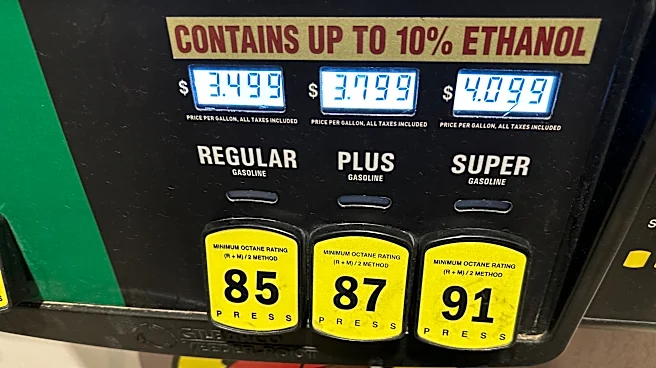
a cascade of economic consequences. These include rising energy prices, increased production costs, higher transportation expenses, and ultimately, elevated prices for goods and services. The economic impact extends beyond fuel costs, potentially leading to higher food prices and increased costs for essential goods, thereby weakening household purchasing power. Security risks in the Strait also lead to increased maritime insurance premiums or even unavailability of coverage, imposing higher operating costs and logistical challenges for businesses transporting goods. Economic conflict instruments, such as financial and trade sanctions and naval blockades, further restrict market access and financial resources, compelling businesses to seek alternative trading partners and routes, often at additional costs. The situation presents three potential scenarios: de-escalation, prolonged instability, or wider military escalation, each with distinct economic ramifications.
Why It's Important?
The Strait of Hormuz crisis is of paramount importance to the U.S. economy due to its direct impact on global energy markets and supply chains. As a major energy consumer and participant in global trade, the U.S. is vulnerable to disruptions that can lead to increased oil prices, contributing to domestic inflation and potentially slowing economic growth. Higher transportation and insurance costs for goods passing through the Strait would affect U.S. importers and consumers, increasing the price of various products. Industries reliant on global supply chains, from manufacturing to retail, could face significant operational challenges and increased costs. Furthermore, prolonged instability or military escalation could trigger broader market volatility, impacting investment decisions and overall economic confidence in the U.S. The crisis highlights the need for the U.S. to maintain strategic energy reserves, diversify its energy sources, and work towards diplomatic solutions to ensure the stability of critical global trade routes. U.S. businesses stand to lose from increased operational costs and reduced consumer spending power, while sectors involved in alternative energy or domestic production might see increased investment.
What's Next?
The future economic consequences of the Strait of Hormuz crisis depend on how the situation evolves. In a de-escalation scenario, a political agreement restoring stability could lead to a gradual decline in shipping and insurance costs, easing energy supply risks. However, economic recovery would hinge on the swift restoration of confidence in maritime security. If tensions persist without a clear political settlement, global markets could experience recurring fluctuations in energy prices and transportation costs, intensifying inflationary pressures and influencing investment decisions, particularly in energy-intensive industries. The most severe scenario involves wider military escalation, where expanded operations or significant damage to energy facilities could substantially increase supply shortages and production costs, placing additional pressure on economic growth, inflation, and market stability in energy-importing economies. The central economic question remains whether these disruptions will be a temporary shock or a catalyst for a long-term transformation of global energy and trade patterns.
Beyond the Headlines
Beyond the immediate economic impacts, the Strait of Hormuz crisis exposes deeper vulnerabilities in the globalized economic system. Ethically, the reliance on a single, geopolitically sensitive chokepoint for a significant portion of the world's energy supply raises questions about global energy security and the responsibility of nations to ensure stable access to resources. Legally, the crisis could prompt international discussions on maritime law, freedom of navigation, and the enforcement of international agreements in strategic waterways. Culturally, prolonged instability could foster a sense of economic insecurity and drive nations to prioritize self-sufficiency over global interdependence, potentially leading to a more fragmented world order. The long-term implications could include accelerated investments in renewable energy sources, the development of alternative trade routes, and a re-evaluation of geopolitical alliances based on energy security interests. This crisis serves as a stark reminder of how localized conflicts can have far-reaching global economic and political consequences, pushing nations to rethink their strategic dependencies.