






What's Happening?
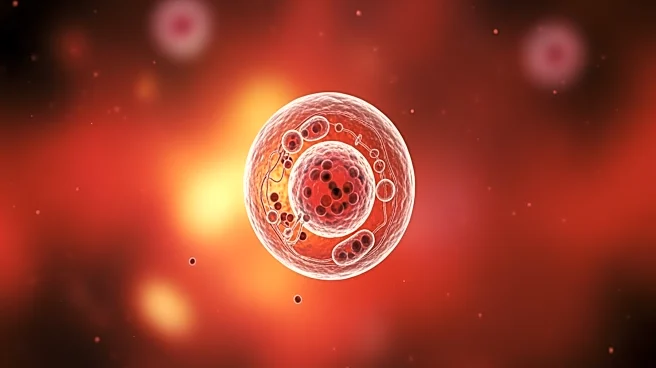
Researchers at Kyoto University have traced the evolutionary origins of blood cells, discovering that ancient single-celled ancestors still exist in human blood. By comparing gene expression patterns across various species, the team identified macrophages
as having strong similarities to unicellular organisms. This suggests that the earliest blood cells may have resembled macrophages. The study also traced the gene FOS back to a unicellular ancestor from 700 million years ago, indicating that blood cells emerged around the time multicellular animals appeared.
Why It's Important?
This research provides valuable insights into the evolutionary history of blood cells, highlighting the connection between modern blood cells and ancient single-celled organisms. Understanding these origins can enhance our knowledge of immune system development and disease mechanisms. The findings may also contribute to medical research, particularly in understanding diseases like cancer. By mapping the evolutionary pathways of blood cells, scientists can explore new avenues for treatment and prevention strategies.