




What's Happening?
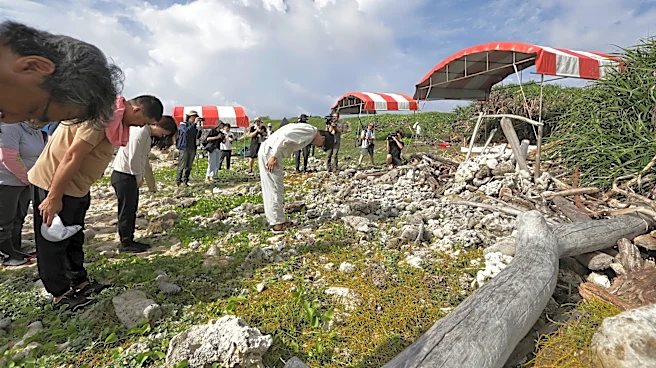
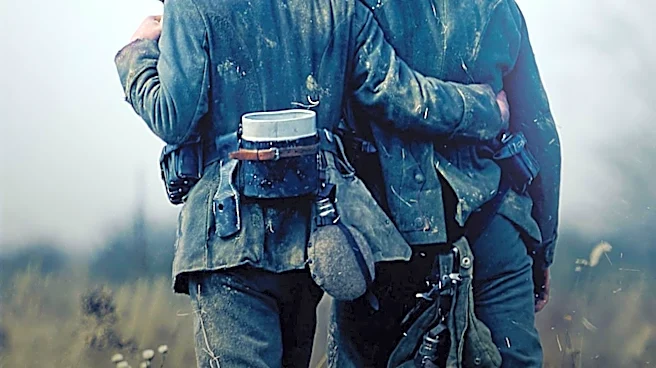
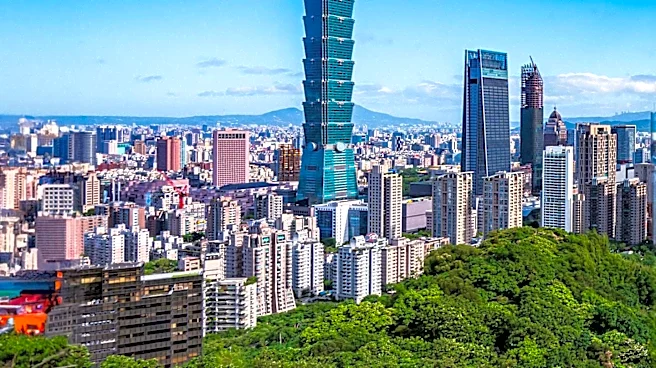
In Pingtung, Taiwan, an excavation has commenced to recover the remains of Japanese soldiers who perished during World War II. The site is linked to the sinking of a military transport vessel in the Bashi Channel, attacked by U.S. forces in 1944. Over
4,700 soldiers and crew members died, with only 65 survivors. This effort is part of Japan's ongoing initiative, supported by a 2016 law, to recover war remains, which has been extended through 2030. The excavation is expected to last a week, and any remains found will be sent to Japan for DNA testing. This marks the first excavation in Taiwan since 1975, when 242 bodies were recovered.
Why It's Important?
The recovery of war remains is significant for Japan as it addresses the unresolved fates of thousands of soldiers who died overseas, many at sea, leaving their remains unrecovered. This initiative reflects Japan's commitment to honoring its war dead and providing closure to bereaved families. The involvement of religious organizations and volunteers underscores the cultural importance of memorializing those who served. This effort also highlights the historical ties between Taiwan and Japan, as Taiwan was a Japanese colony until the end of WWII. The excavation serves as a reminder of the war's enduring impact on families and nations.
What's Next?
The excavation in Taiwan is part of a broader effort by Japan to recover the remains of approximately 1 million soldiers who died overseas during WWII. The Japanese government has extended its recovery program through 2030, indicating a long-term commitment to this cause. Future missions may involve further excavations and DNA testing to identify remains. The ongoing collaboration between historians, local residents, and Japanese volunteers suggests that similar efforts may continue in other regions where Japanese soldiers perished. This initiative may also foster deeper historical and cultural ties between Japan and countries like Taiwan.
Beyond the Headlines
The recovery of war remains raises ethical and cultural questions about how nations remember and honor their war dead. It highlights the role of government responsibility in acknowledging the sacrifices of conscripted soldiers. The involvement of religious organizations in memorial services reflects the cultural importance of spiritual practices in providing solace to bereaved families. This initiative also underscores the complexities of post-war reconciliation and the importance of historical memory in shaping national identities. As Japan continues its recovery efforts, it may influence how other nations address similar historical legacies.