




What's Happening?
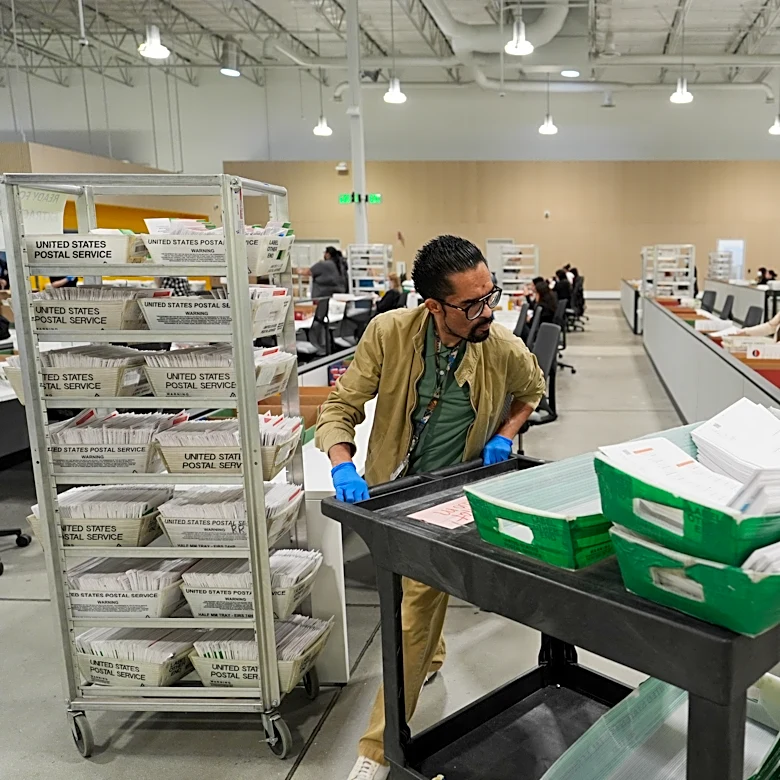
The Maricopa County Recorder’s Office announced the completion of signature verification for all ballots dropped off on Election Day 2026 within 24 hours of polls closing. This process is crucial for ensuring the integrity of the election. Following verification,
the office is now engaged in the signature curing process, which involves contacting voters whose ballot signatures did not match their voter registration signatures. Voters have until 5 p.m. on Sunday, November 8, to cure their ballots. Additionally, individuals who received a conditional provisional ballot must provide a valid ID at designated verification sites by the same deadline. The county elections website provides a list of acceptable forms of identification and allows voters to check the status of their provisional ballots. As of this report, voter turnout in Maricopa County stood at 53%, with over 1.3 million ballots cast out of nearly 2.6 million registered voters. While 940 out of 956 precincts were partially reported, 16 remained unreported, and none were fully reported.
Why It's Important?
The swift completion of signature verification by the Maricopa County Recorder’s Office is significant for maintaining public confidence in the electoral process. Timely verification and the subsequent curing process help ensure that all eligible votes are counted accurately, reducing potential disputes and challenges. The high voter turnout of 53% in Maricopa County underscores the active participation of its citizens in the democratic process. The ongoing efforts to cure ballots and verify IDs for conditional provisional ballots are critical steps to prevent voter disenfranchisement while upholding election security. The leading positions of Democratic incumbents in most federal and statewide races within Maricopa County, with a few exceptions like Republican Rep. Abe Hamadeh, indicate potential shifts or reaffirmations of political alignment within this key Arizona county. The outcomes in Maricopa County often play a pivotal role in determining statewide results, making these early reports particularly impactful for understanding the broader political landscape.
What's Next?
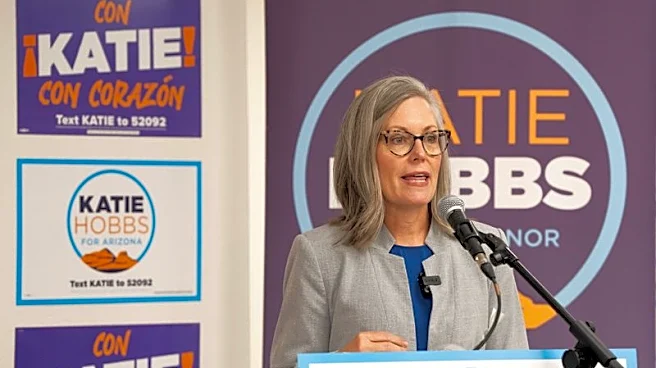
Voters whose signatures did not match their registration have until 5 p.m. on Sunday, November 8, to cure their ballots, and those with conditional provisional ballots must provide valid ID by the same deadline. The Maricopa County Recorder’s Office will continue to process these cured ballots and verified IDs, which will contribute to the final tabulation of votes. The remaining 16 unreported precincts will eventually be processed, and the full results for all races will be finalized. The current leads by various candidates, including Governor Katie Hobbs, Secretary of State Adrian Fontes, and Attorney General Kris Mayes, are subject to change as the curing process concludes and all ballots are counted. The final certified results will confirm the winners in federal and statewide races, potentially influencing the balance of power in Arizona and contributing to national political narratives.
Beyond the Headlines
The efficiency of Maricopa County's election administration, particularly in signature verification, sets a precedent for other jurisdictions facing similar challenges in managing large-scale elections. The emphasis on voter education regarding ballot curing and ID verification highlights the ongoing need for clear communication between election officials and the electorate to ensure accessibility and fairness. The close margins in some races, even with early leads, underscore the importance of every vote and the potential for shifts as provisional and cured ballots are factored in. This election cycle in Maricopa County also reflects broader trends in voter engagement and political polarization, with specific congressional districts showing strong support for either Democratic or Republican candidates. The meticulous process of signature verification and curing is a cornerstone of election integrity, aiming to balance security with the fundamental right to vote, and its successful execution can bolster public trust in democratic institutions.