




What's Happening?
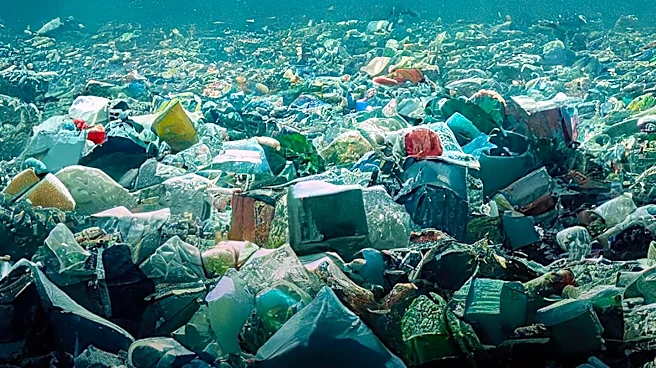
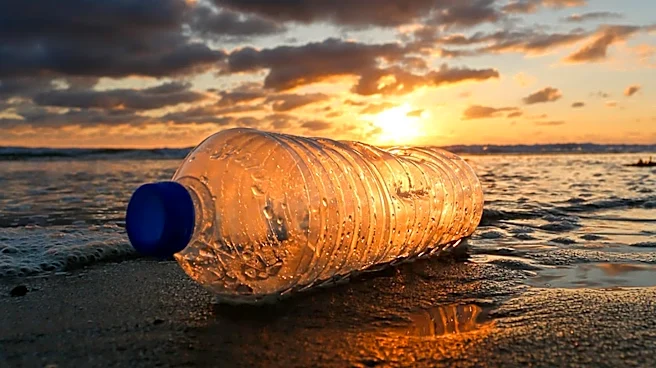
Recent studies highlight the severe impact of plastic pollution on marine ecosystems, with projections indicating that by 2050, plastic debris could outweigh all marine life in the oceans. This pollution not only entangles and harms marine wildlife but
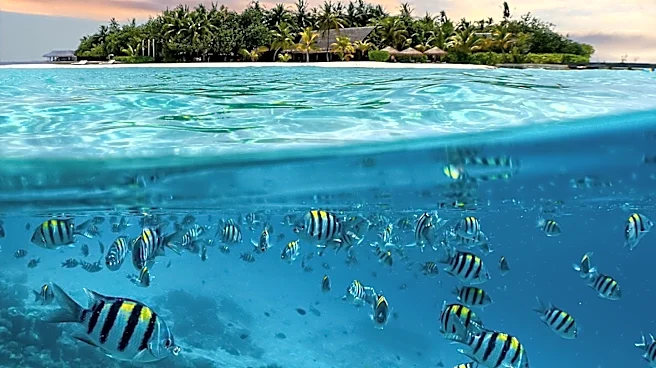
also disrupts food chains and degrades habitats. Approximately 14 million tons of plastic enter the oceans annually, with microplastics now present in every marine ecosystem. The oceans, which generate 50-80% of the world's oxygen through phytoplankton and algae, are under threat from this pollution, compounded by overfishing and climate change. The Great Pacific Garbage Patch, a massive collection of marine debris, exemplifies the scale of the problem, with plastic concentrations rising significantly in recent years.
Why It's Important?
The implications of plastic pollution are vast, affecting marine biodiversity, human food security, and global oxygen production. As marine ecosystems degrade, the species that rely on them, including humans, face significant risks. Over 80% of global fish stocks are overexploited, threatening food supplies. The health of the oceans is crucial for maintaining the planet's oxygen levels, and their degradation could have dire consequences for life on Earth. The economic impact is also significant, with industries reliant on marine resources facing potential collapse if current trends continue.
What's Next?
Urgent action is needed to curb plastic pollution and protect marine ecosystems. This includes reducing plastic production, enhancing recycling efforts, and developing biodegradable alternatives. Governments and corporations must take responsibility for reducing plastic waste and investing in sustainable solutions. Without intervention, the ecological and economic consequences could be catastrophic, with potential collapses in marine biodiversity and global food supplies.
Beyond the Headlines
The crisis highlights the need for a shift in how societies view and manage waste. The reliance on fossil fuels for plastic production is a significant barrier to progress, and transitioning to plant-based alternatives could reduce environmental impact. The historical context of corporate influence over energy sources underscores the challenges in shifting away from fossil fuels. Public awareness and policy changes are critical to driving the necessary changes to protect the planet's ecosystems.